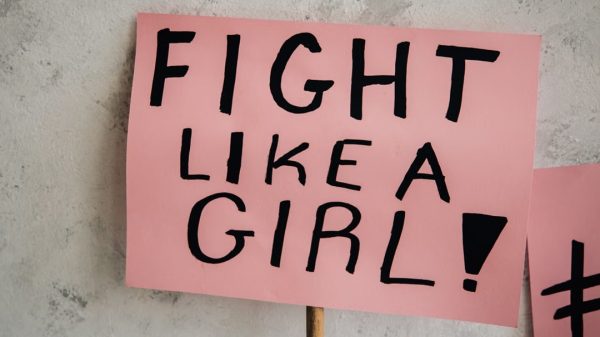

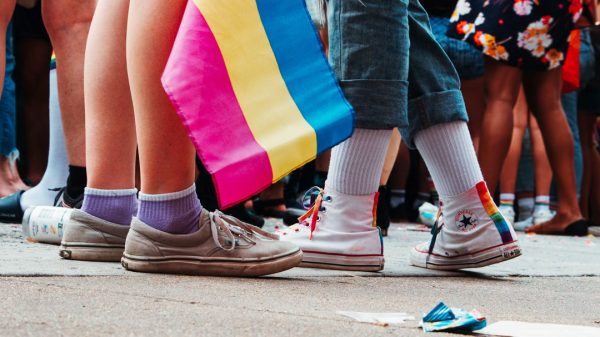




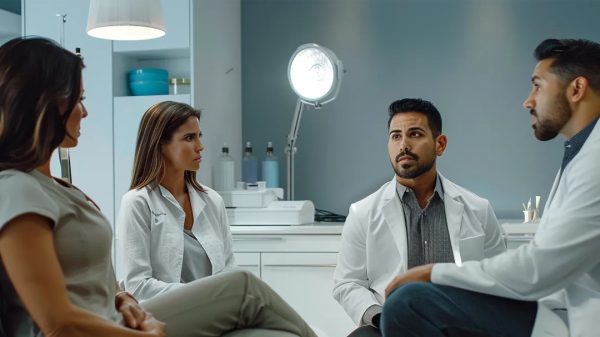


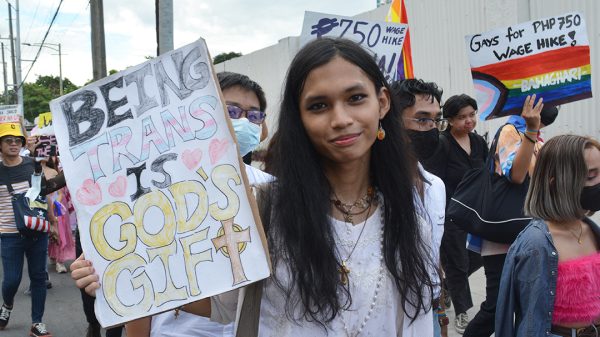




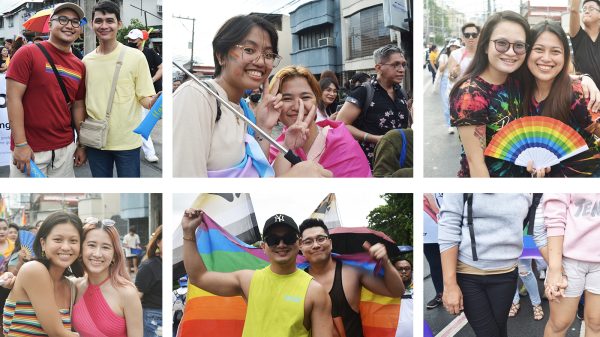
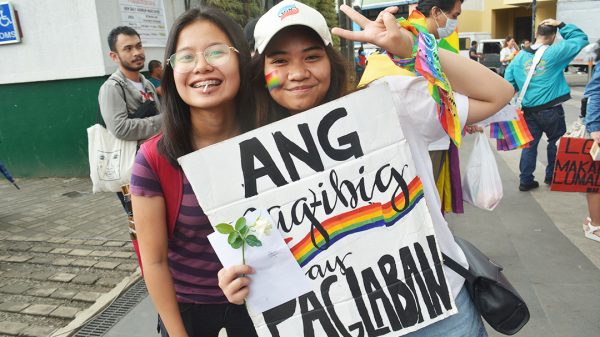



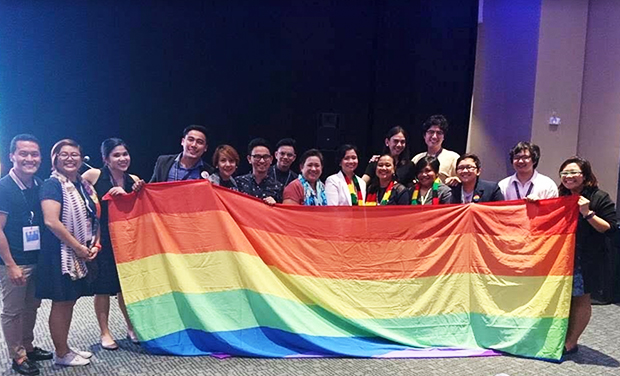
Members of the LGBT Psychology Special Interest Group of the Psychological Association of the Philippines (PAP) joined PAP’s 54th Annual Convention of the Psychological Association by highlighting the importance of advocacy for LGBT rights and well-being among mental health professionals.
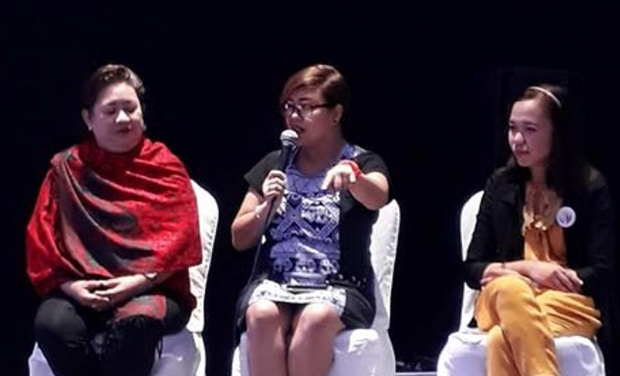
“Advocates kami for LGBT rights kasi psychologists tayo,” said Prof. Yeng Gatchalian, a counseling psychologist and straight ally from Far Eastern University, in a panel discussion on how to make psychology classes more LGBT-inclusive.
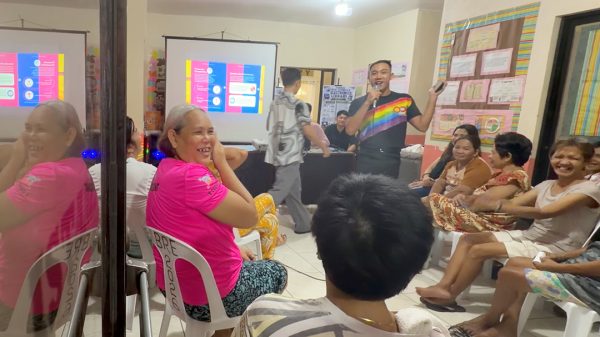
This was the same sentiment shared by Dr. Mira Ofreneo of Ateneo de Manila University, who – in a workshop on LGBT counseling – stressed “the need to create safe spaces”. “In the short time you are with them, you can make them feel loved,” Ofreneo said.
Studies were also presented on a range of LGBT topics in the three-day conference attended by nearly 2,000 Filipino mental health professionals, counselors and graduate students. Topics included gay men in sports, coming out experiences of butch lesbians, transmen’s video narratives, history of heterosexuality, and working with LGBT children.
For Bea Torre, coordinator of the PAP’s LGBT Psychology Special Interest Group, this year’s gathering is a continuation of the group’s advocacy to include LGBT issues in local psych discussion. Already, “this is our eighth year to show that LGBT advocacy and inclusion are part of the fabric of Philippine psychology.”