









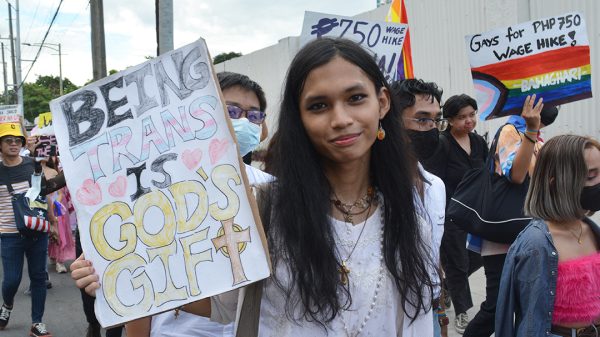























The Cambridge Dictionary added a supplementary definition of “woman” to now include transgender individuals.
It remains unclear when the new definition was added, but as of March 2022, its definition of “woman” was “an adult female human being”.
Now, Cambridge Dictionary has a secondary description of the meaning of “woman” – i.e. as “an adult who lives and identifies as female though they may have been said to have a different sex at birth.”

It also offered examples of how the word might apply to the transgender context in sentences – i.e. “She was the first trans woman elected to a national office” and “Mary is a woman who was assigned male at birth”.
Cambridge Dictionary is actually not the first dictionary to accommodate transgender people in its definition of “woman”. Earlier, in July, Merriam-Webster’s publisher added a secondary definition of “female” to include those “having a gender identity that is the opposite of male.”
To date, though, Oxford, Collins, and Macmillan have not added supplementary definitions of “woman.”