

























Workplaces are no LGBT safe spaces.
This was insinuated by a research – done involving over 5,000 LGBT people by UK-based Trades Union Congress (TUC) – that found that more than a third (36%) of LGBT people have been bullied or harassed at work. To top this already sad figure, around three out of five of those who experienced harassment or bullying did not report it to their employer; and only 12% raised the issue with their HR department. Also, among those who reported, only a third felt their issues were properly resolved, and a fifth even believed they later suffered because they lodged a complaint.

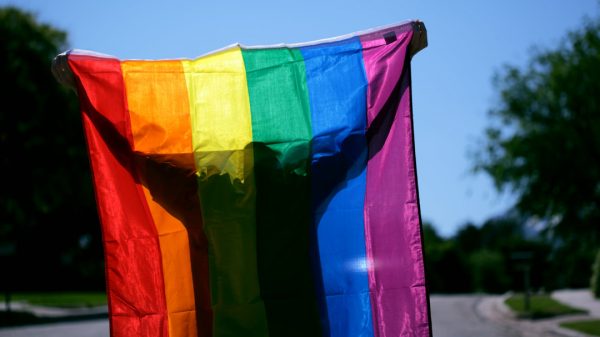
“LGBT”
(CC0 1.0)
by Wokandapix
In “The Cost of Being Out at Work: LGBT+ workers’ experiences of harassment and discrimination”, the TUC noted that “it would be easy to assume that LGBT+ people have finally gained the equality that they… fought so long to achieve. But reports… suggest that lived equality in the workplace is still not the experience for many LGBT+ workers.”
Key findings of the research included:
- Nearly two in five (39%) of all respondents were harassed or discriminated against by a colleague, a quarter (29%) by a manager, and around one in seven (14%) by a client or patient.
- Only a third of respondents (34%) reported the latest incident of harassment or discrimination to their employer, one in eight (12%) reported it to HR.
- Only half (51%) of all respondents are ‘out’ (open about their sexuality) to everyone at work. For young people, this falls to just over a third (36%). Meanwhile, over a quarter (27%) of bisexuals are out to no one.
- Trans employees seem to have it worse, with almost half of trans people (48%) have experienced bullying or harassment at work compared to just over a third (35%) of non-trans respondents.
- Over three fifths (62%) of all respondents have heard homophobic or biphobic remarks or jokes directed to others at work, while over a quarter (28%) have had such comments directed at them.
- Just under a quarter (23%) of all respondents were outed against their will, while almost a third (30%) of transgender respondents have had their trans status disclosed against their will.
- Only a third of respondents reported the latest incident of harassment or discrimination to their employer, one in eight reported it to HR.
- Over half of all respondents, and seven in 10 transgender respondents, said that their experience of workplace harassment or discrimination has a negative effect on their mental health.
In the Philippines, there are already media-covered efforts to ensure the protection of LGBT employees particularly in workplaces. In Laoag City, for instance, the Office of the City Administrator released a memorandum directing all of the city’s heads of offices and employees not to use derogatory words to address, call and describe LGBT co-employees. Multinational companies like IBM, meanwhile, already have pro-LGBT efforts particularly for their workers and families. However, it is worth noting that no extensive research has been done to ascertain the efficacy of the same in various local contexts.