
























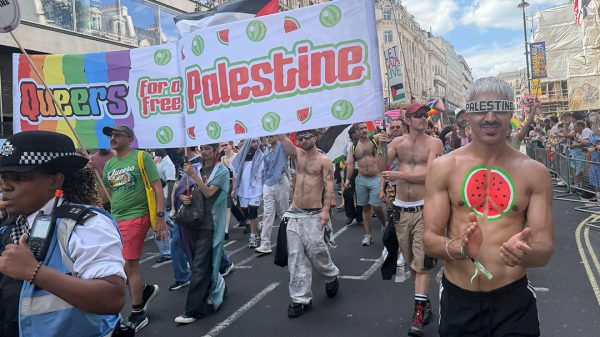


More than one (1) in four (4) Gen Z adults identify as lesbian, gay, bisexual, transgender or queer (LGBTQ), according to a survey – “A political and cultural glimpse into America’s future: Generation Z’s views on generational change and the challenges and opportunities ahead” – that was published by the Public Religion Research Institute (PRRI).
More particularly, 28% of Gen Z adults — or those who are aged 18 to 25 — identify as LGBTQ, much higher than the percentage of those belonging to older age groups (i.e. 10% of all adults, 16% of millennials, 7% of Generation X, 4% of baby boomers, and 4% of the Silent Generation).

Though this survey focused on the US in particular, it still highlighted a changing demographic trend. This is because the researchers also found that Gen Z adults were:
- more ethnically and racially diverse than older generations; and
- less likely to affiliate with established religions.
“With respect to LGBTQ identity, it’s very clear that Gen Z adults look different than (those) older,” said Melissa Deckman, PRRI’s chief executive.
PRRI’s survey included over 6,600 participants, and was conducted in August and September 2023.