











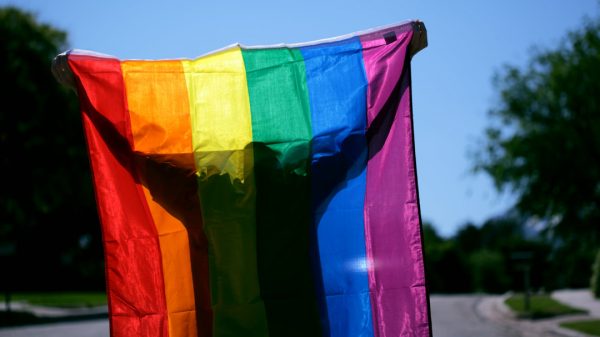









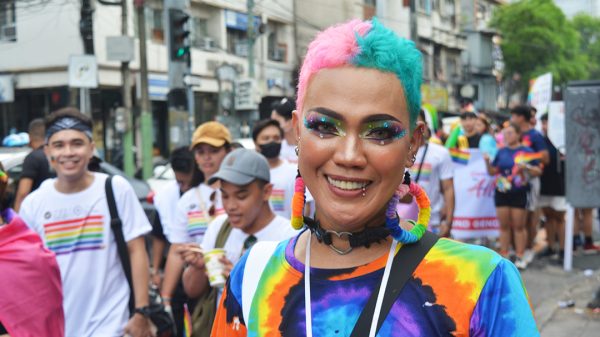











As the world comes together to celebrate Pride Month, UNAIDS said it stands in solidarity with lesbian, gay, bisexual, transgender, queer and intersex (LGBTQI) communities around the globe.
For UNAIDS, “Pride Month provides an opportunity to celebrate the resilience, diversity, and achievements of LGBTQI individuals, while also reflecting on the challenges they continue to face. This occasion serves as a reminder of our collective commitment to human rights, equality, and the urgent need to decriminalize same-sex relationships.”
Thanks in large part to efforts led by key populations, the world has seen substantial progress in the HIV response. The end of AIDS is possible. However, inequalities stand in the way. Discrimination, violence, and stigma against LGBTQI people persist in many parts of the world, limiting access to essential services, including HIV prevention, treatment, care, and support.
For UNAIDS, criminalization of same-sex relationships remains a significant barrier to achieving social justice and equality for LGBTQI individuals, and to ensuring health for all. Laws that criminalize consensual same-sex activity perpetuate stigma, contribute to violence and discrimination, and obstruct access to vital healthcare services. And so UNAIDS calls on all governments to urgently repeal discriminatory laws and policies, and to work towards creating an enabling legal and social environment that respects and protects the rights of LGBTQI people.
“The decriminalization of same-sex relationships is a crucial step in our collective efforts to end the AIDS pandemic. When marginalized communities are criminalized or stigmatized, their vulnerability to HIV infection increases, and their access to HIV prevention, treatment, care, and support services is obstructed,” UNAIDS added.
Significant gains that have been won in advancing LGBTQI rights in many parts of the world, including the decriminalization of same-sex relationships in several countries — from Angola to Singapore to Barbados. However other countries are imposing harsher criminal laws on same sex relationships. And for UNAIDS, decriminalizing homosexuality is essential to ensuring the end of AIDS.