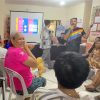







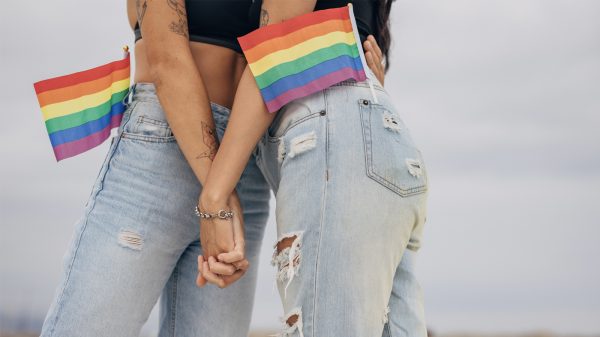

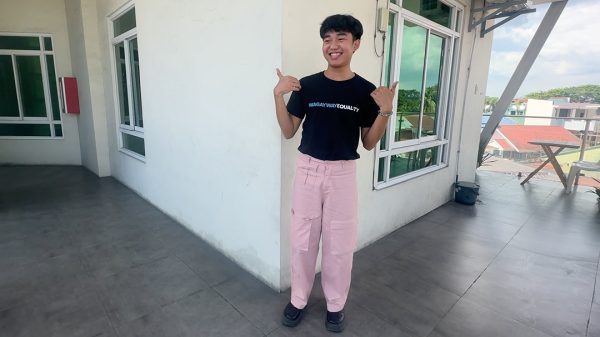

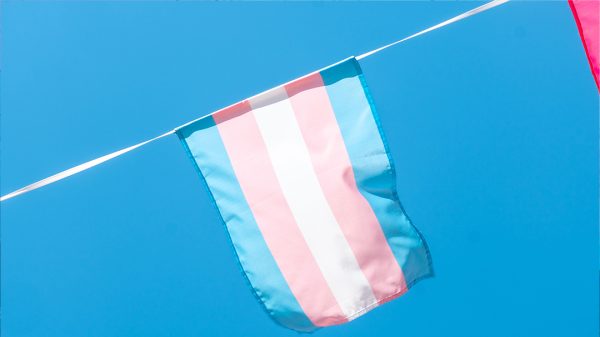
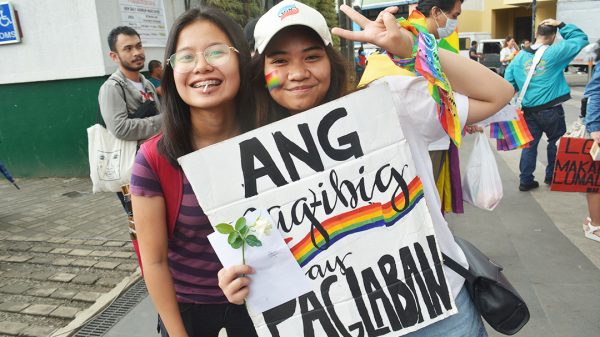
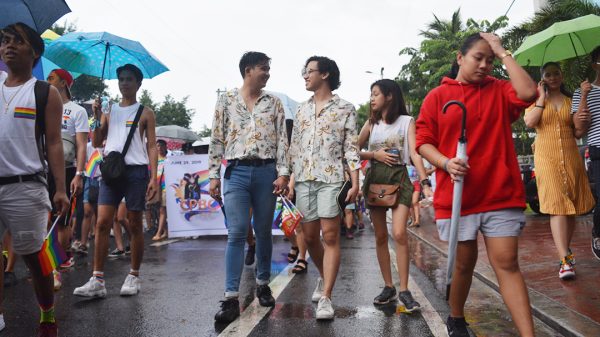



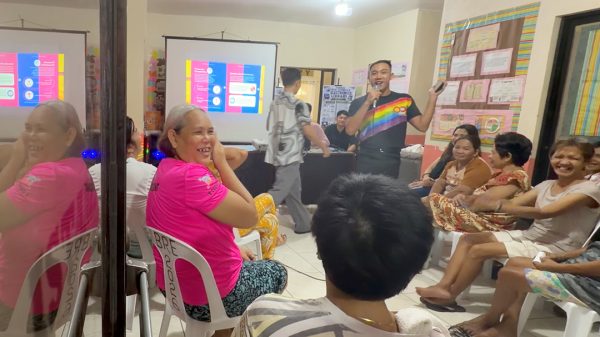


USAID/Philippines held gatherings that tackled lesbian, gay, bisexual and transgender (LGBT) inclusion in the agency. Jay Gilliam, who comes from the USAID/Washington office of the senior LGBT coordinator, gave training to USAID/Philippines staff, as well as its implementing partners; and helmed informal discussions about approaches to and priorities with regard to LGBT inclusion in economic and social development in the Philippines.
Inclusive development is a major US foreign policy and agency priority; the emphasis on LGBT inclusion particularly stressed under the administration of US Pres. Barack Obama. Particularly, USAID has been taking steps to promote inclusion of LGBT persons both in its workplace, and as beneficiaries of its programming.
According to Gilliam, USAID has been specifically including LGBT concerns since 2013. This started with internal efforts, with the training of USAID staff to be LGBT sensitive. The efforts eventually broadened, with the inclusion of partner organizations/federal contractors; as well as local LGBT people (where the trainings are conducted) to provide contexts in discussions.
“We want to make sure that they’re part of the conversation,” Gilliam said, “because they’re the ones that are helping us do our work in (other) countries.”
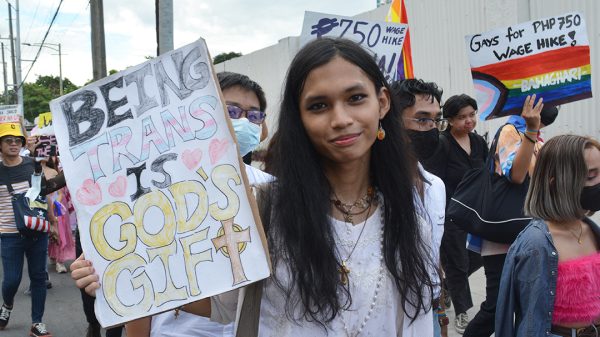
In 2014, the agency launched the USAID LGBT Vision for Action, a policy document that outlines how the agency aim to achieve truly inclusive development by considering LGBT persons. Also in 2014, USAID released with UNDP the “Being LGBT in Asia: The Philippines Country Report”, which highlights the continuing challenges faced by LGBT people in their daily lives.