

































There’s a sound that’s instantly recognizable: a deep, throaty rumble that vibrates right through your chest. It’s a sound that promises power and pure, unadulterated fun. It’s the sound of a classic American muscle car. Decades after they first rolled off the assembly lines, these automotive legends still capture hearts and imaginations everywhere.
But why do these cars have such lasting appeal in an age of electric vehicles and smart technology? Maybe it’s the raw power, distinctive rumble, and undeniable presence that keeps enthusiasts hooked, embodying a unique muscle car culture that transcends generations.
It’s not just one thing. Their enduring appeal comes from a combination of raw performance, unmistakable styling, and deep cultural significance. These cars represent a unique period in automotive history when bold engineering and expressive design captured the imagination of an entire generation.
The Raw Power and Sound
Long before complex infotainment systems and driver-assist tech, what mattered most in a muscle car was what was under the hood. The V8 engine was king, and its job was simple: make as much power and noise as possible. Driving a classic muscle car is a full-body experience. You feel the engine’s vibrations through the steering wheel and seat, you hear the unfiltered roar of the exhaust, and you smell the faint scent of gasoline and oil.
This sensory overload is a world away from the silent, smooth ride of many modern vehicles. While today’s performance cars are definitely faster and more efficient, they often shield the driver from the mechanical workings. In a classic muscle car, you’re directly connected to the machine. The direct connection between the driver, the engine, and the road creates an experience that feels increasingly rare in today’s technology-driven vehicles.
This raw, untamed character is a huge part of the appeal; what it’s like to drive a classic is a visceral experience that’s becoming increasingly rare. It’s a thrilling reminder of a time when driving was less about getting from point A to B and more about the adventure itself.
Timeless Design and American Identity
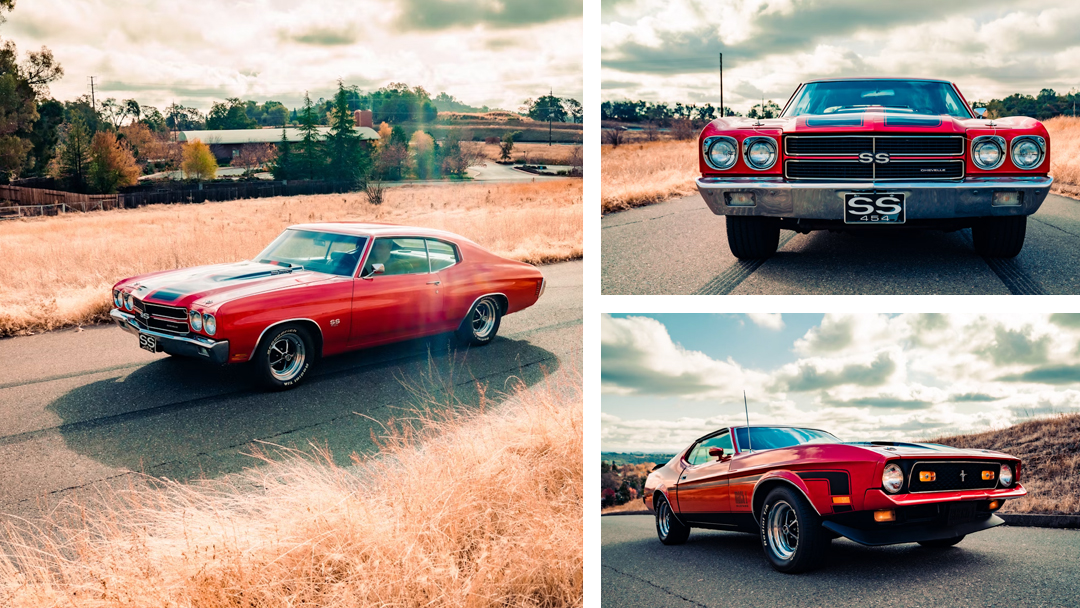
Classic muscle cars are easy to spot. With their long hoods, short rear decks, and aggressive stances, they’re like rolling sculptures that show off a distinctly American sense of style and confidence. The period from the early 1960s to the mid-1970s was a golden age for car design. Cars like the Ford Mustang, Chevrolet Camaro, and Dodge Charger weren’t just transportation; they were statements. Their bold colors, racing stripes, and chrome accents mirrored the optimism and rebellious spirit of the era.
These cars were born during a post-war economic boom when the open road was a powerful symbol of personal freedom. Owning a muscle car was a way to express yourself and tap into a sense of adventure. That cultural DNA is still strong today. When you see a classic muscle car cruise down the street, it brings up a feeling of nostalgia for a time of bold ambition, even for those who weren’t alive to experience it firsthand.
The Dream of Getting Behind the Wheel
For many enthusiasts, the ultimate goal is to actually drive one of these iconic machines. It’s a dream fueled by countless movie scenes and stories passed down through generations. The feeling of gripping that thin, large steering wheel and managing the raw power of a big-block V8 is an experience that stays with you. It demands your full attention, making you an active participant in the drive, not just a passive passenger.
This dream might seem far off for some, especially with the rising values of pristine models. But the community around these cars is incredibly welcoming, with car shows and local meetups offering plenty of chances to see them up close and chat with owners. For those hoping to one day own a piece of this history, there are always ways to make it happen. Some people find their dream car through careful searching, while others get a lucky break.
For enthusiasts who hope to own one someday, opportunities range from years of careful searching to entering a muscle car giveaway, offering another route toward owning a classic automotive icon. This possibility, however slim, adds another layer of excitement to the passion for these vehicles.
A Connection to a Simpler Mechanical Era
Pop the hood of a 1969 Charger and then look under the hood of its modern counterpart. The difference is striking. The classic engine bay is a relatively simple landscape of metal, hoses, and wires that you can actually see and identify. The modern one is often a sea of plastic covers hiding a complex network of electronics and sensors. This simplicity is a major draw for many classic car owners.
These cars are from a time when owners were encouraged to work on their own vehicles. Basic maintenance tasks like changing the oil, spark plugs, and distributor cap were common weekend activities. Because the systems are mechanical rather than electronic, they are often easier for enthusiasts to work on with a good set of tools and a service manual. This hands-on connection creates a deeper bond between the owner and the car. There’s immense satisfaction in diagnosing a problem, finding the solution, and doing the repair yourself. It’s a rewarding hobby that teaches practical skills and provides a welcome escape from our digitally dominated lives.
A Booming Community and Tangible Asset
The love for classic muscle cars has created a massive and passionate global community. From local “Cars & Coffee” events to huge national conventions, there are endless opportunities for owners and admirers to connect. These gatherings are more than just parking lots full of polished chrome; they are social events where people share stories, exchange tips, and celebrate a common passion. Online forums and social media groups further strengthen these bonds, creating a network of support and camaraderie.
Beyond the social aspect, classic muscle cars have also proven to be a surprisingly sound investment for some. While values naturally fluctuate, many well-maintained models have appreciated over time, making them attractive to both enthusiasts and collectors.
For collectors and investors, a well-maintained muscle car is more than just a fun vehicle; it’s a tangible asset that can be enjoyed while it potentially grows in value. This dual-purpose appeal, as both a source of joy and a physical investment, ensures that these cars will continue to be sought after, preserved, and cherished for decades to come. Their legacy isn’t just in their past performance but in their future potential as well.
The enduring magic of classic muscle cars lies in their ability to be so many things at once. They are powerful machines, beautiful objects, cultural symbols, and community centerpieces.
They remind us of a time when driving was as much about the experience as the destination. Whether admired at a local car show, restored in a home garage, or enjoyed on the open road, classic muscle cars continue to inspire new generations of enthusiasts while preserving an important part of automotive history.