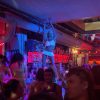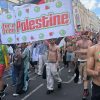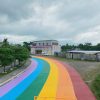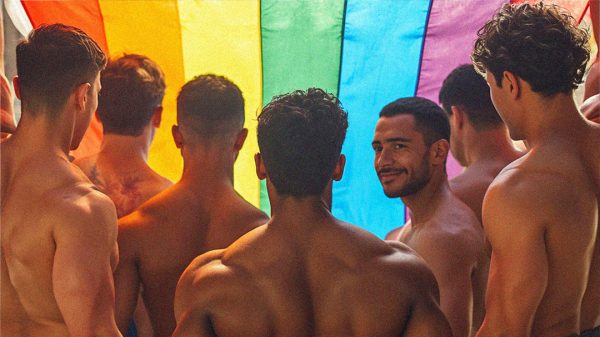




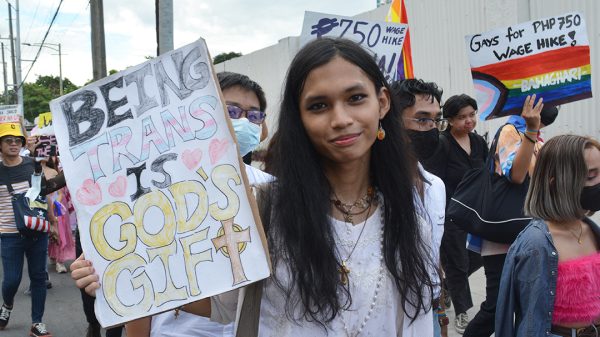

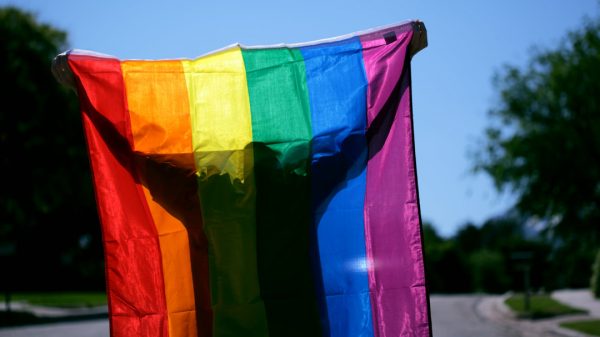





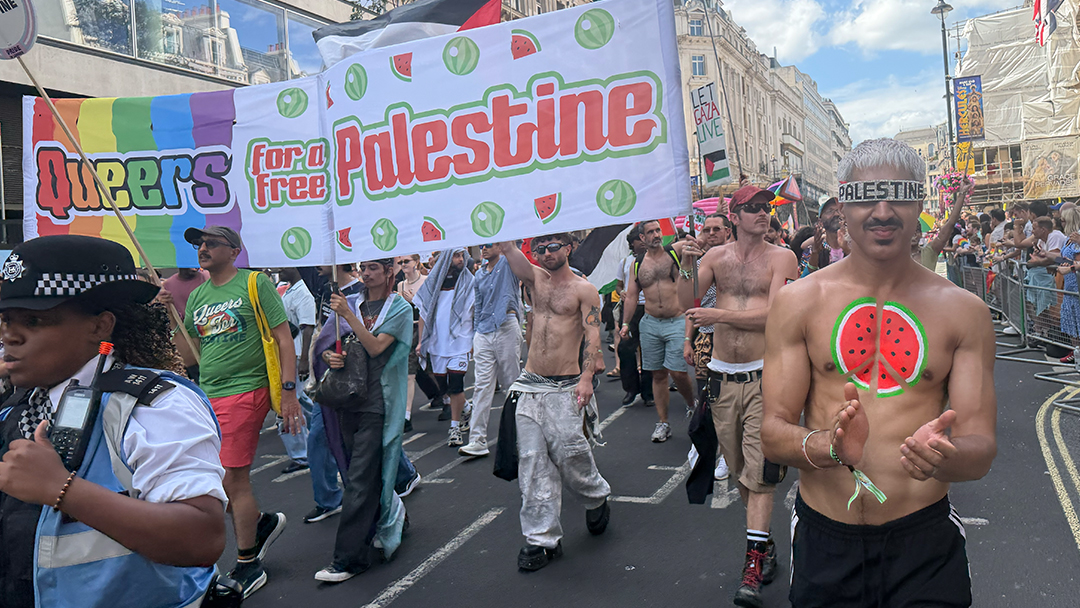

Rainbow celebration in London.
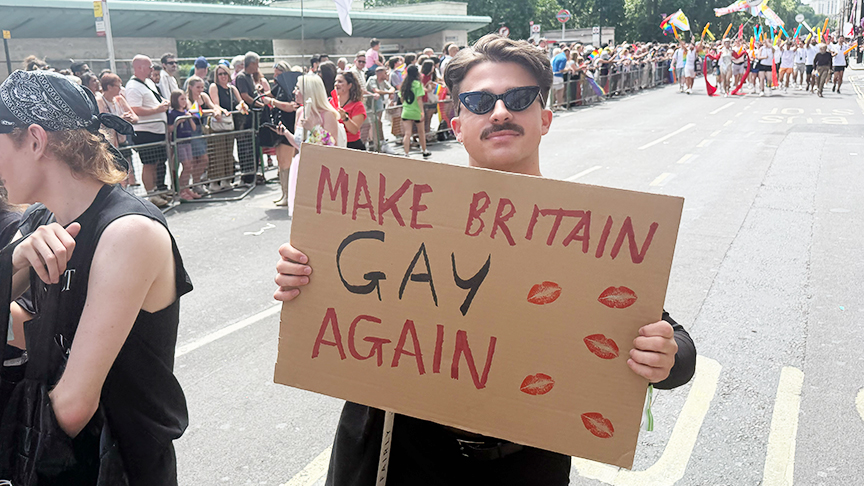
LGBTQIA+ Pride is supposed to highlight the successes achieved in the fight for equality of the rainbow community, though also the challenges that remain. But in London, it now also highlights that even successes are not guaranteed to stay.
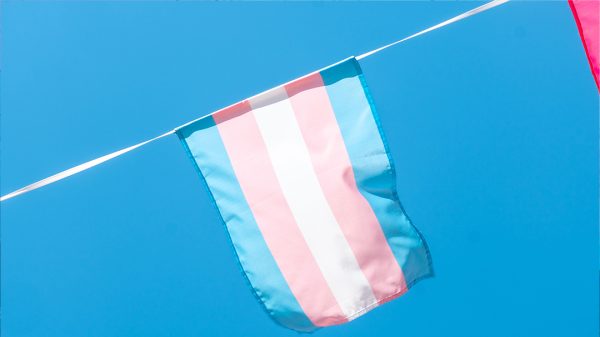
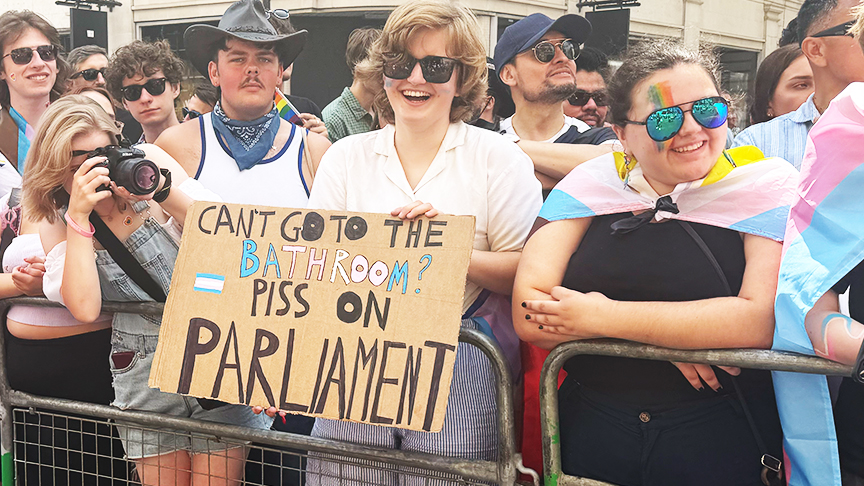
For the second year in a row, UK ranked 22nd out of 49 European countries for LGBTQIA+ equality. There are various factors causing this. For instance, in April 2025, the UK Supreme Court ruled that the terms “woman,” “man,” and “sex” in the Equality Act 2010 exclusively refer to biological sex. This, basically, automatically erases transgender people.
Sadly, in the UK, it is estimated that 85% of trans women and 73% of non-binary people face street harassment, and 50% of trans people experience hate crimes or incidents.
According to Abicakra Mahardika, trans rights advocate, trans people “just need to pee in peace”.
“In the UK, there’s an attempt to exclude trans people more with the Supreme Court ruling. I think we need to address trans issues (for them to) be able to access basic rights,” Mahardika said.
The Gay Liberation Front (GLF) staged Britain’s first public gay rights demonstration at North London’s Highbury Fields in November 1970.
And then two years later, in July 1972, the first Pride march took place.
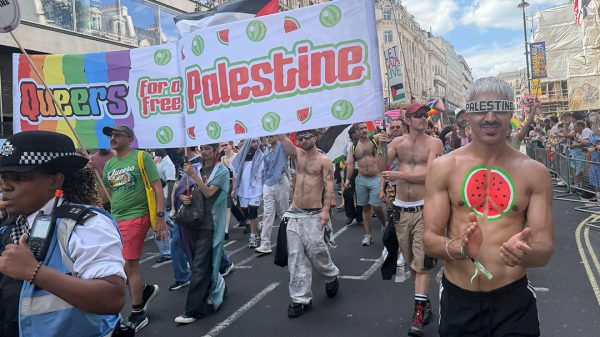
Similar to many Pride events, the UK version has also evolved. Initially, it was very political. Like in 1988, when it became a rally against Section 28, a law introduced by Margaret Thatcher’s government to banned schools and local authorities from “promoting homosexuality”.
“Everyone needs an excuse to celebrate themselves, whoever they may be,” said Max Nichols, financial services activist and humanitarian. “The other interesting thing about the (Pride) parade is that you can see people from different places, whether from the rail (company) in the UK, whether it was the museums in the UK, companies, organizations… people get to celebrate themselves one day a year.”
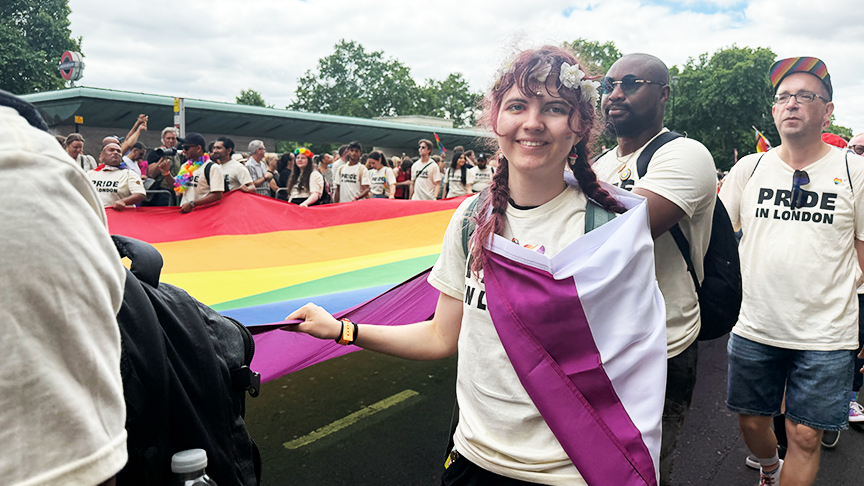
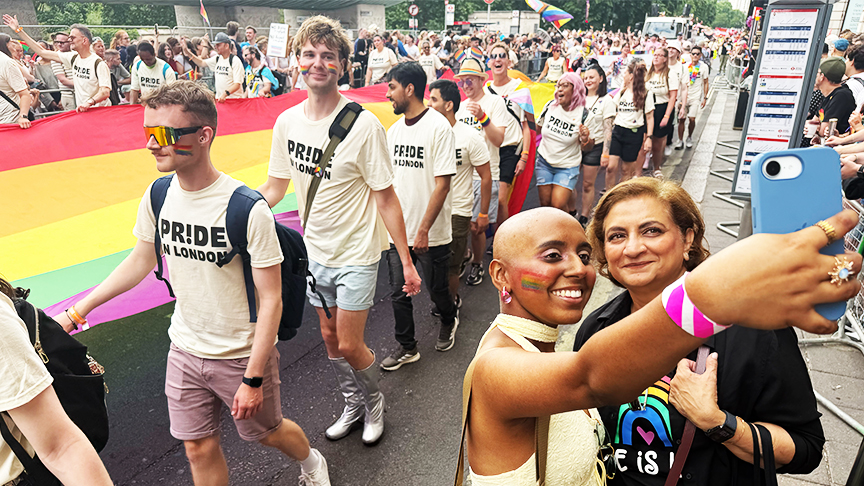
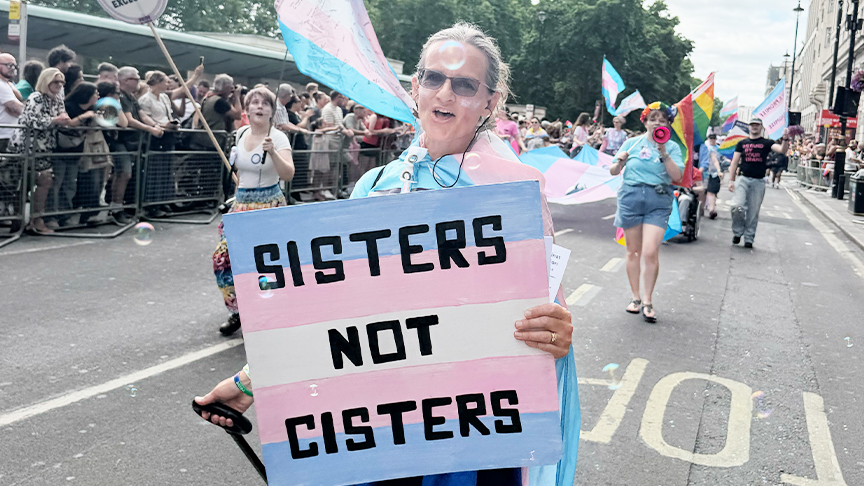
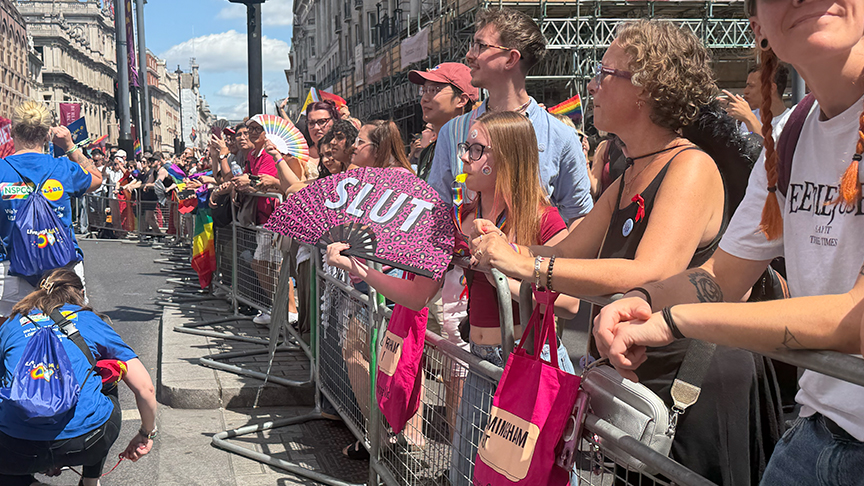
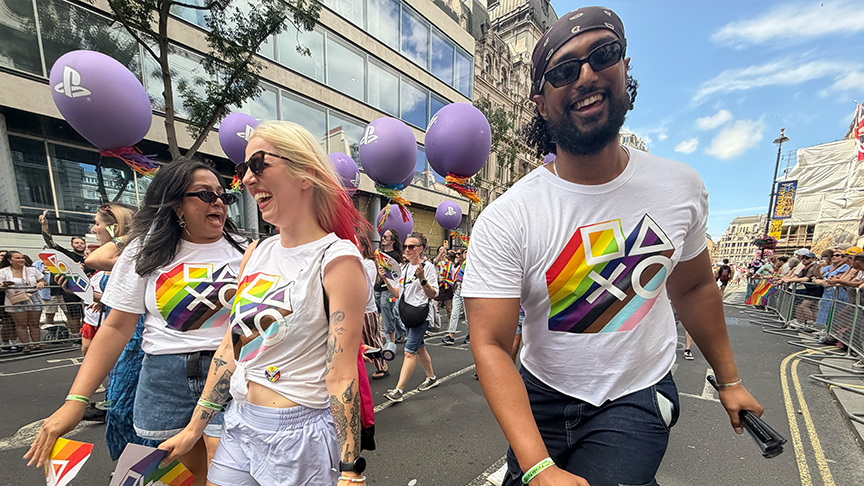
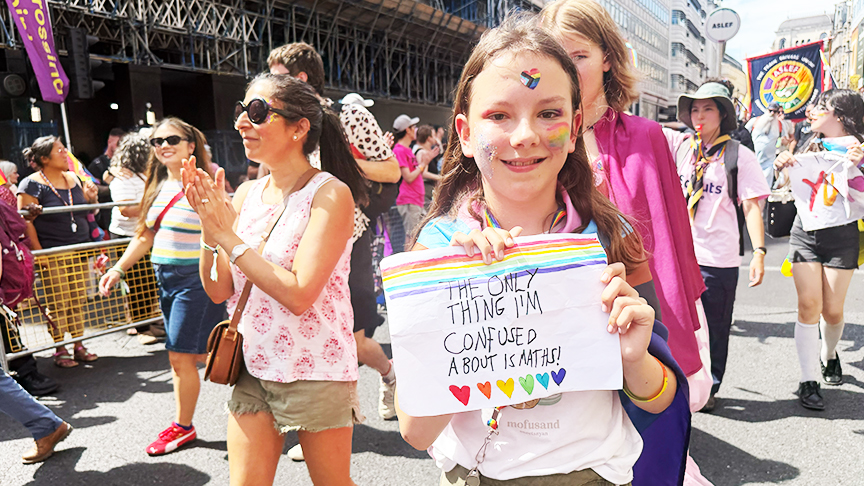
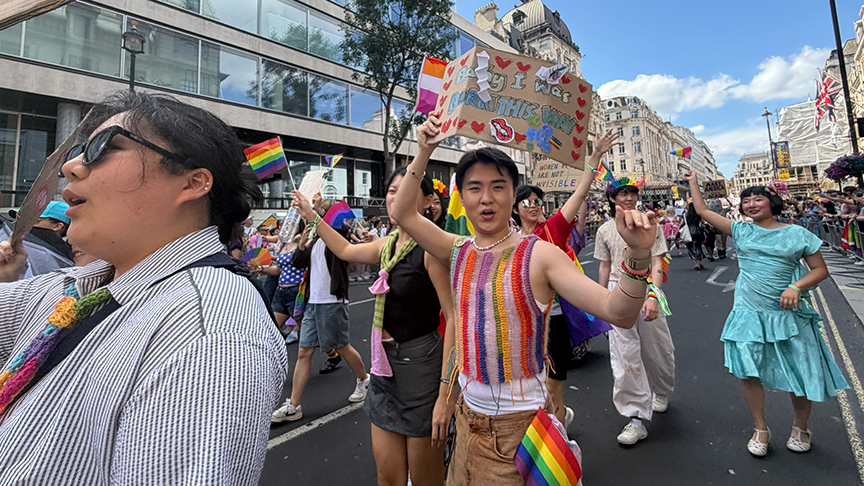
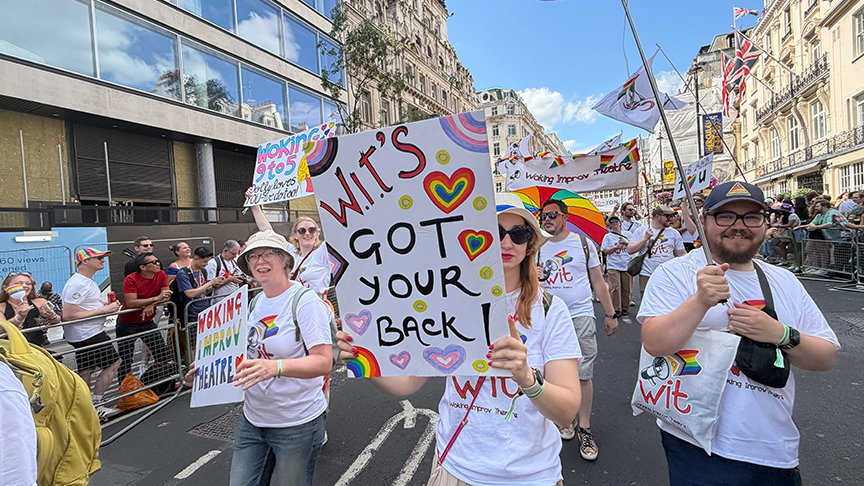
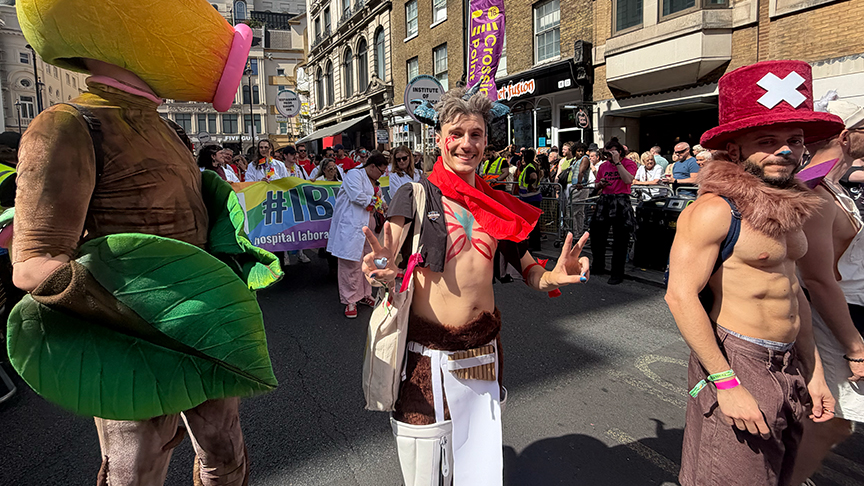
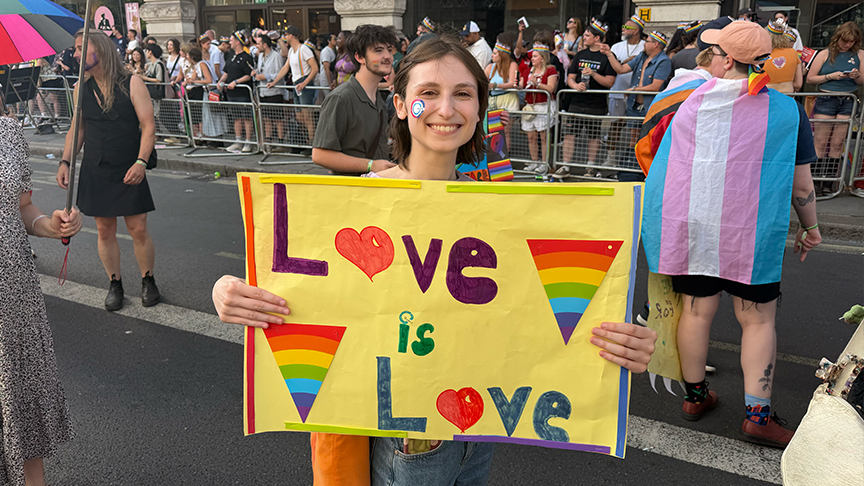
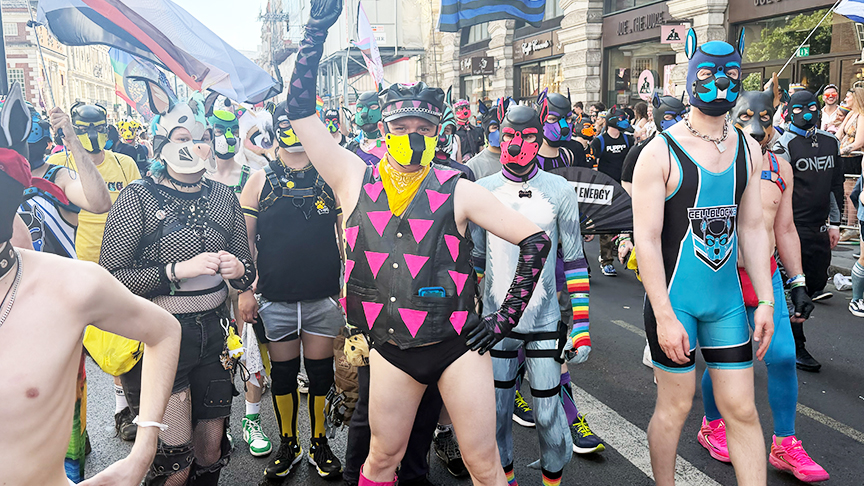
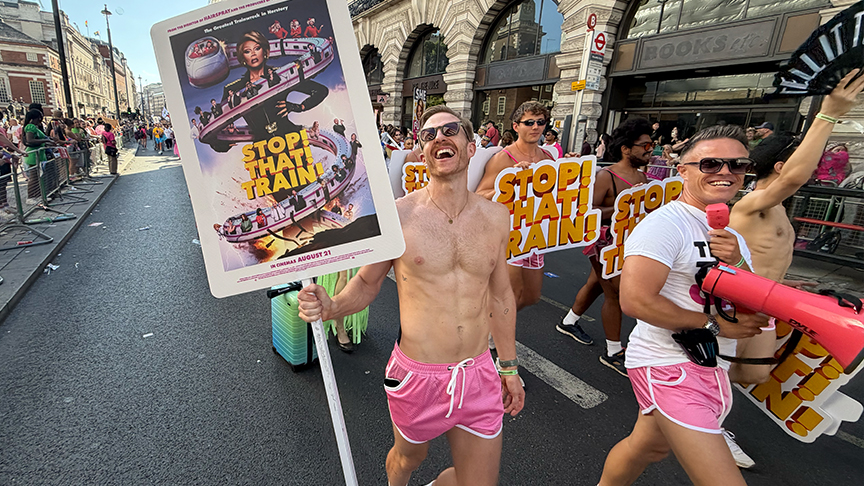
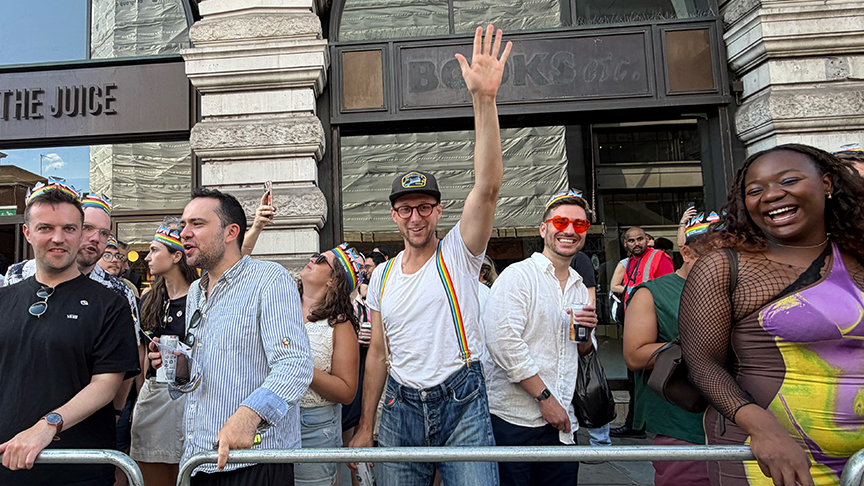
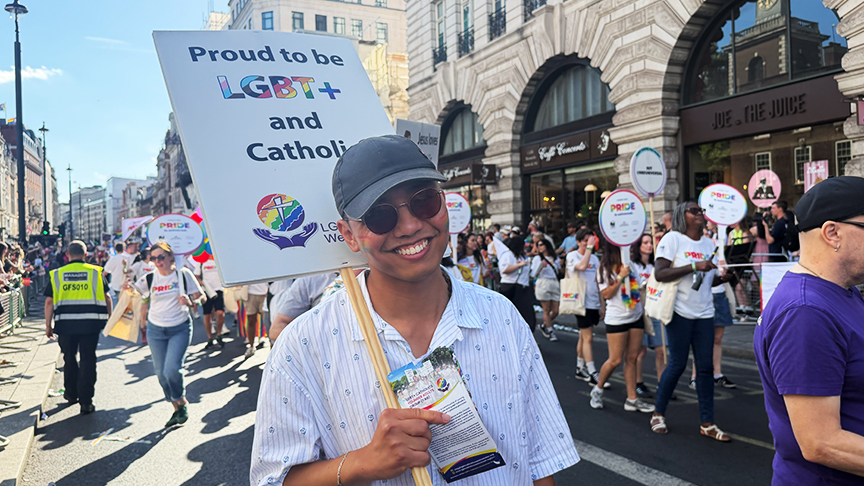
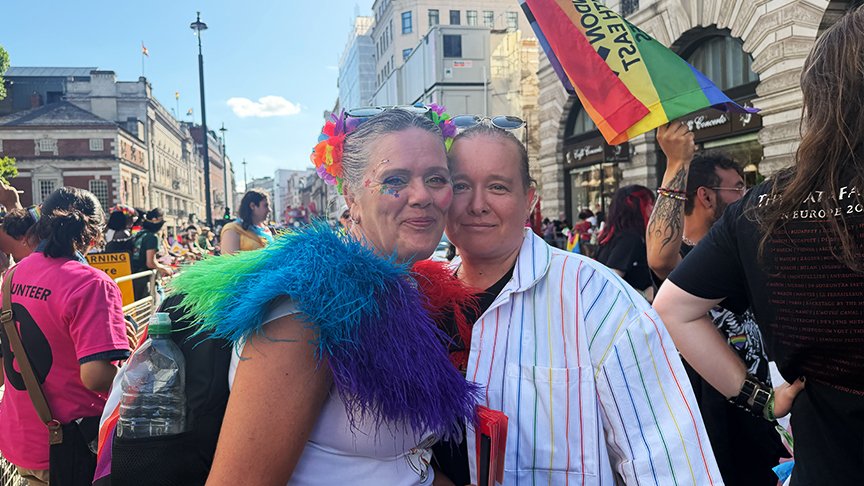
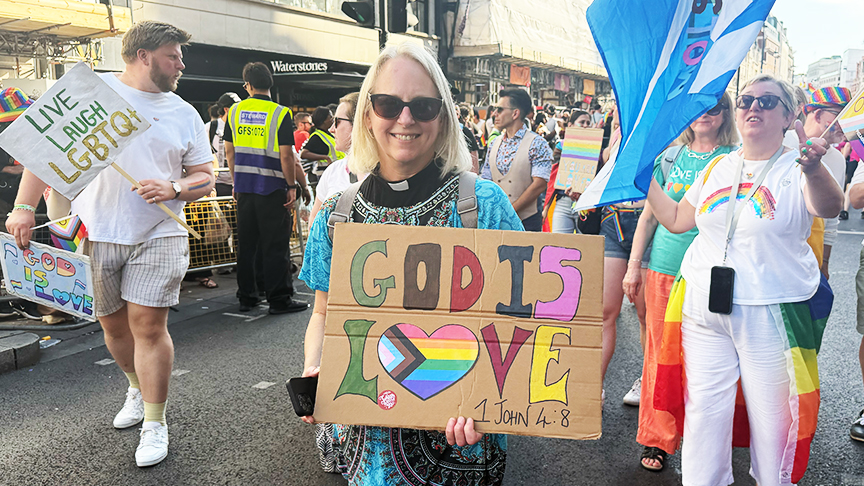
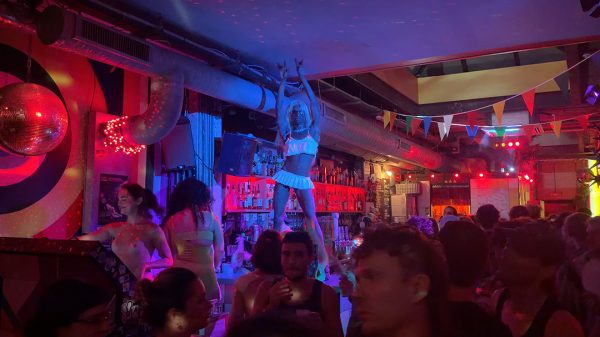
Eventually, London’s Pride became as a spectacle.
It is estimated that around £1.3 million is spent to stage the annual event, and this is largely through corporate sponsorships. Pride also generates an estimated £20.5 million to £25.5 million for the local economy. Pera-pera lang.
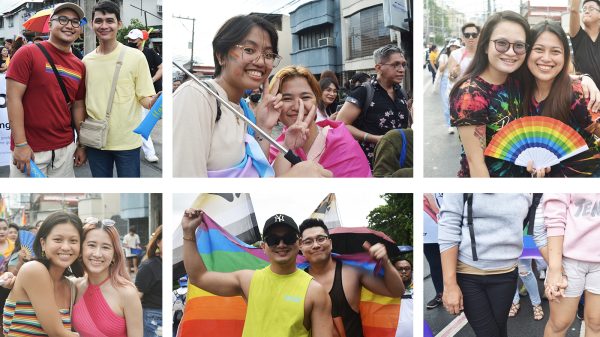
But gathering over a million people every year, with – for this year alone – over 30,000 participants, this remains a major event to showcase the LGBTQIA+ presence.
For Eduardo Svart, musician, psychologist and educator, “Pride is but a start.”
“Of course it’s not enough. But it’s a good start. You can see so many people. Even if there are a lot of groups inside the (collective), there’s still connectivity. I think whatever letter you use in the alphabet of diversity, at the beginning you feel that you’re the only one. That it’s something only you are going through. And then you see two million people, and that shows you it’s not only about you. But of course it’s not enough. Beyond that, there’s so much more to do,” Svart said.
There is, thereby, this acknowledgment that Pride isn’t what it used to be anymore. Since the bigger it gets, the more it loses its political roots. And yet it remains a tool for exposure – yes, perhaps even of LGBTQIA+ people selling out; though also – thankfully – of LGBTQIA+ issues that would otherwise be muted if there is no showing of our numbers.