

























When Seven was diagnosed to have HIV in 2012, his CD4 count was already below 200 cells per cubic millimeter of blood (200 cells/mm3), so – not surprisingly – he had multiple opportunistic infections (e.g. STIs, pneumonia, TB). He recalled that if there’s one good thing that his late diagnosis brought, it’s “being automatically given antiretroviral (ARV) medicines”.
Those were the olden times, when ARVs were only provided to people living with HIV (PLHIV) who were already at higher risk for OIs that could kill them because their bodies were no longer able to fight these OIs without the help of the ARVs. These would be the PLHIVs considered in the “AIDS stage” (FYI: formal AIDS diagnosis is typically defined as <200 cells/mm3).
The first medicine given to Seven was the LZN (Lamivudine + Zidovudine + Nevirapine) combo, what used to be a first-line therapy particularly – this has to be stressed – in resource-limited settings (meaning: gamot para sa mahirap na bansa). He took four tablets per day; two in the morning, and two in the evening. And he had rashes… lots of it. He used to joke ARV gave him “kagid” (literally, scabies), but, in response, the doctors in the hub he went to supposedly just told him to take antihistamine to deal with the skin-related effects of the ARV since “wala naming ibang puwedeng ibigay sa akin (nothing else could be given to me),” he said. “Magdusa ka, or mamatay ka (Suffer, or die).”
There was, in fact, an “alternative” medicine at that time, the LTE (Lamivudine+ Tenofovir + Efavirenz) combo, another first-line therapy for resource-limited settings (to emphasize: gamot mahirap). This, too, had issues – e.g. lucid dreams, impact on bone density. The usual response of medical professionals to those who had issues with LTE was also somewhat dismissive: Just drink more water. After all, “magtiis ka, o mamamatay ka (put up with it, or die)”.
Punahin nyo ang limitasyon sa gamot na dinispense ng Department of Health (DOH) para sa Filipinos with HIV. Nakasalalay rin ito sa mensaheng “wala kang choice, magtiis ka.” Particularly since, in those days, there was also a “warning” give to PLHIVs: if the first-line therapies will not work on you, you’d be introduced to the second-line therapy. But if this, too, doesn’t work on you, then: “Bahala kang bumili ng sarili mong gamot.”
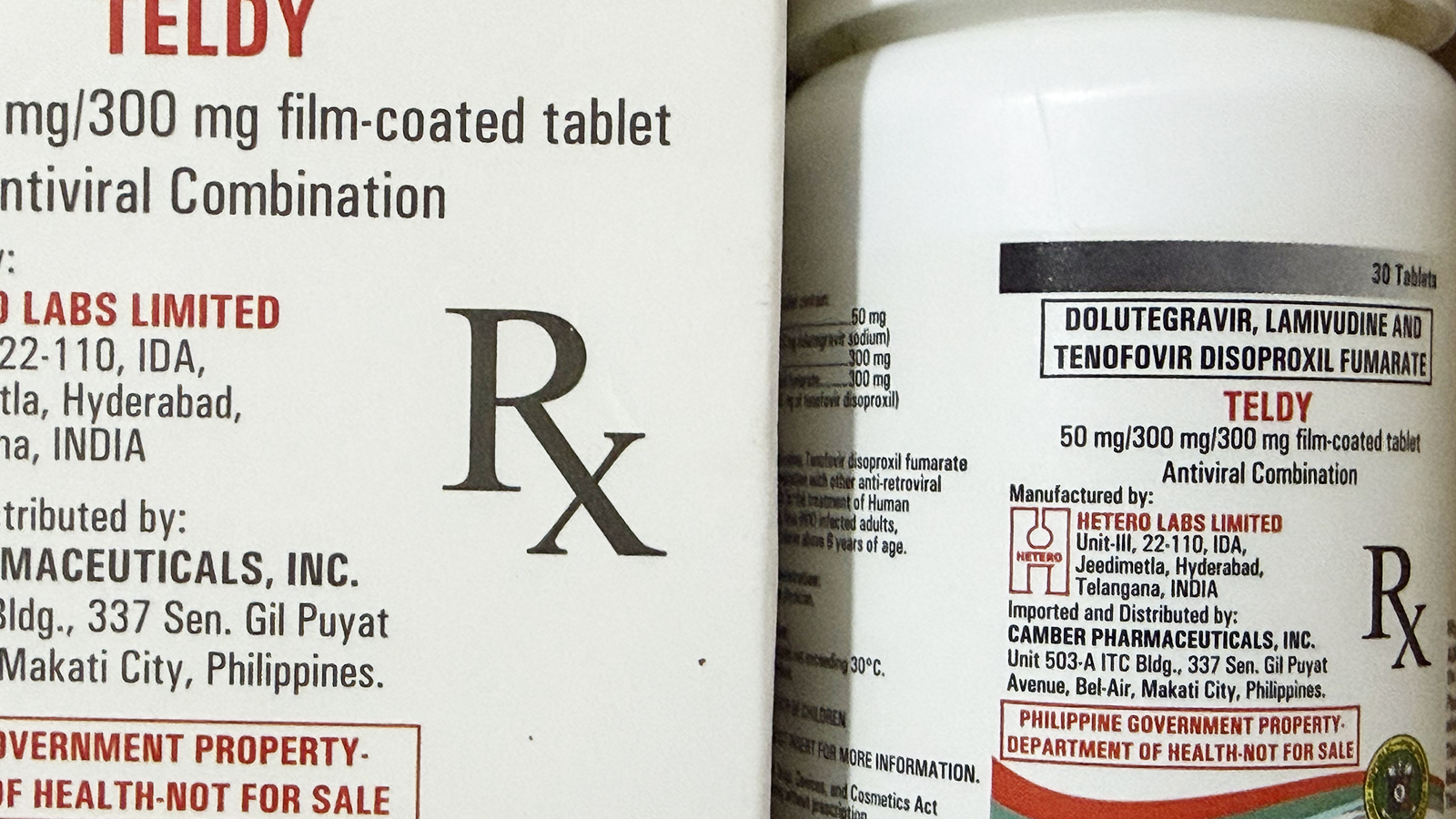
In 2020, the Department of Health (DOH) started the roll-out of the LTD (Lamivudine+ Tenofovir + Dolutegravir), yet one more first-line antiretroviral therapy (ART) that is a fixed-dose combination (meaning, all three drugs are in a single pill taken once daily).
So those using “older” ARVs (like LZN and LTE) were slowly shifted to LTD.
Which wasn’t surprising, considering that the World Health Organization (WHO) recommended that all countries using the older ARVs, such as the Philippines, do so.
So that, eventually, Filipino PLHIVs will just use one med: LTD. Of course, as will be used as an excuse, unless they have to use non-LTD. Although, let this also be said, we were also told by some PLHIVs who were told that their older ARVs will eventually be phased out, so if they want to continue taking meds at all, then the shift to LTD is inevitable.
Here’s the issue now; my issue, which should really be everyone’s issue: “One-size fits all” approach to HIV treatment in the Philippines.
Kasi instead of adding more meds so that PLHIVs will have more choices re their treatment, nagbabawas tayo, so that only one remains. Yung assumption, this will work for all. And kung hindi mag-work, ano na, balik tayo sa mensaheng “magtiis ka, or mamamatay ka”?
Kasi ayan na nga, ilang LTD users na ang nag-show ng elevated creatinine levels? Kidney function issues? Weight gain? Increased high blood pressure? And yet as far as I know, yung sagot pa lang sa mga nagreklamo ay: “Nasa normal level pa naman”. Even if this was never experienced in the old ARVs.
Mabuti sana kung walang pera, no? Per PLHIV, may allocation ang PhilHealth ng around ₱60,000.00 (thanks to the OHAT Package). Meaning, can afford to buy ang nagbibigay ng services to PLHIVs… though of course, only if they want to.
But yun na nga, nasa nganga stage pa rin tayo; isang gamot pa rin ang pilit na tinutulak for all PLHIVs. When the right and medically-sound solution is to provide as many medicines for clients to choose from, to help ascertain what really works for them. You don’t even have to be in the medical field to know this, Guinoo ko!