




















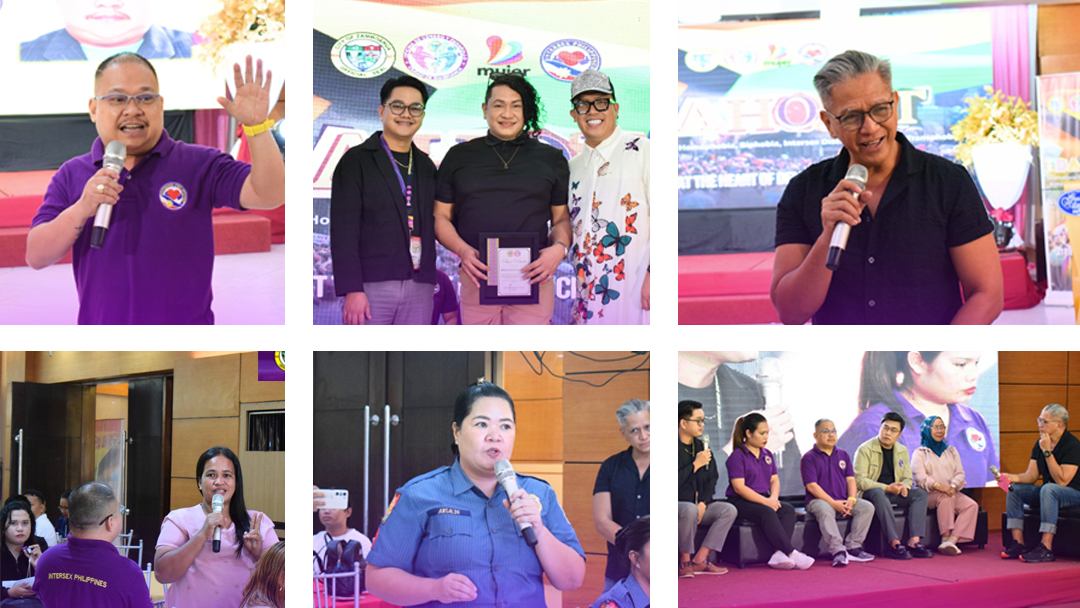
Zamboanga City made history as the first local government unit (LGU) in the Philippines to observe the International Day Against Homophobia, Biphobia, Intersex Discrimination, and Transphobia (IDAHOBIT) with a special focus on the intersex community.
Held every May of every year, IDAHOBIT was started in 2005 to mark the removal of homosexuality in the list of disorders by the World Health Organization (WHO) on May 17, 1990.
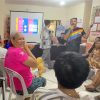
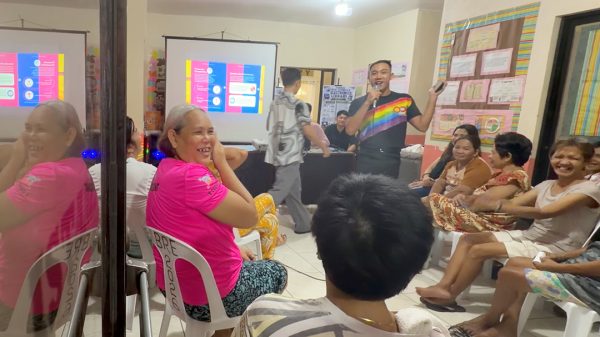
In Zamboanga City, the Gender and Development (GAD) Services office of the LGU partnered with Intersex Philippines, Inc. (IXPI) and Mujer-LGBT Organization to bring together advocates, stakeholders, and community members “in a collective effort to deepen public understanding of intersex people and their lived experiences.”
According to Jeff Cagandahan, executive director of IXPI, this was a “great opportunity to spread information about intersex people and their issues”, particularly since “a lot of misconceptions continue to exist including, if not particularly, in hard-to-reach communities”.
Such an activity, therefore, highlighted the importance of creating safe and inclusive spaces where intersex persons are recognized, respected, and heard.
For Toni Gee Fernandez, executive director of Mujer-LGBT Organization, there may even be a number of intersex people in Zamboanga City who are intersex, but have yet to come out because “of lack of information, and since they don’t know what intersex is, they don’t surface. So we train our stakeholders about intersex so they can then cascade what they learned to their communities, hopefully reaching these intersex people in the grassroots.”
In the end, stressed Fernandez, the programs of LGUs should be made inclusive, and – at the same time – be centered on the marginalized, including intersex Filipinos.
IDAHOBIT is, obviously, only marked once a year. So for Cagandahan, there is a need to strengthen partnerships with stakeholders – e.g. LGUs. This is to make sure “we spread the knowledge and awareness about intersex people and their concerns continuously.”
“We need to institutionalized the responses that recognize intersex people,” Fernandez said, adding that “we need to be assertive in pushing for the inclusion of intersex people in our endeavors.”