



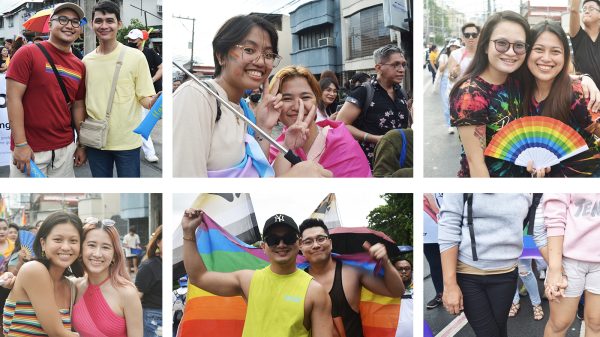
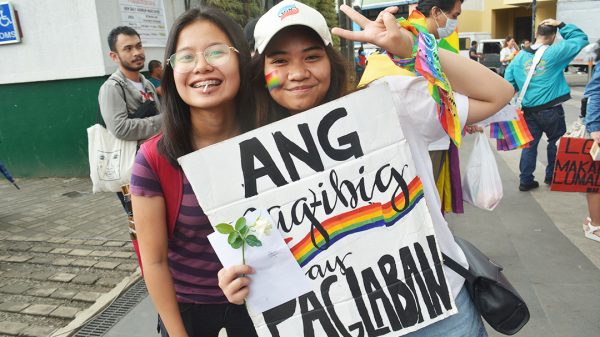



This is part of #KaraniwangLGBTQIA, which Outrage Magazine officially launched on July 26, 2015 to offer vignettes of LGBTQIA+ people/living, particularly in the Philippines, to give so-called “everyday people” – in this case, the common LGBTQIA+ people – that chance to share their stories.
As Outrage Magazine editor Michael David C. Tan says: “All our stories are valid – not just the stories of the ‘big shots’. And it’s high time we start telling all our stories.”
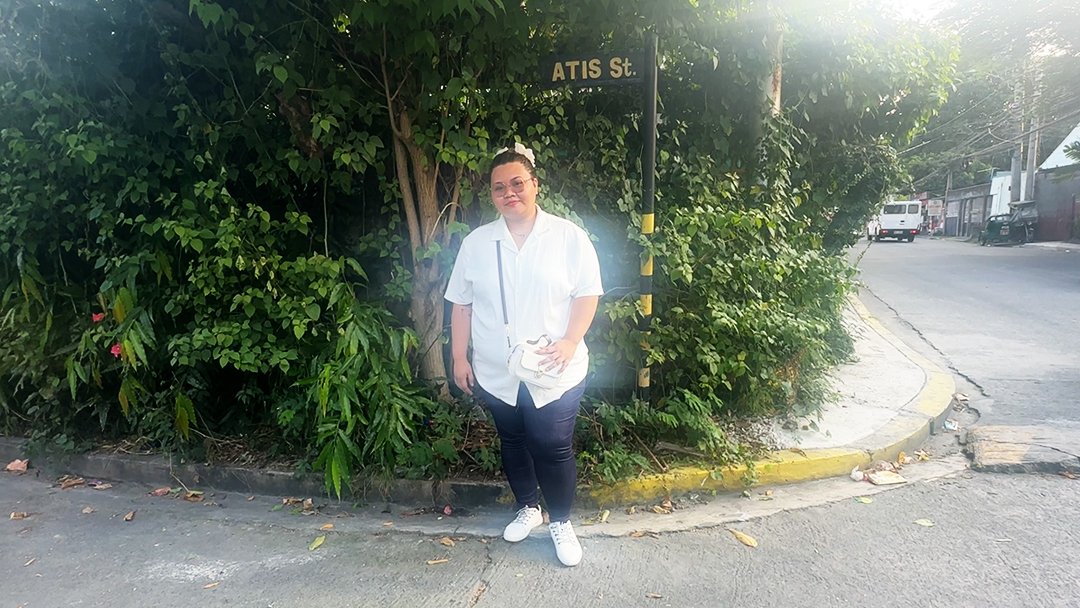
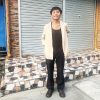
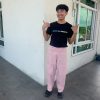
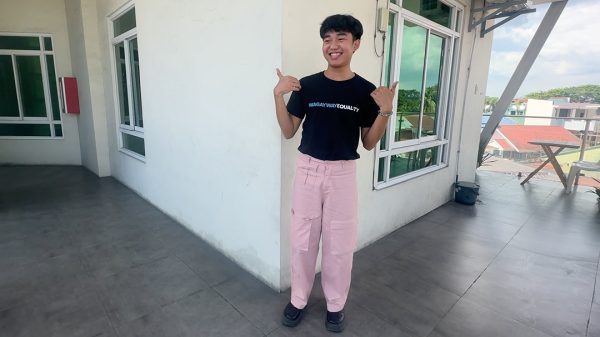
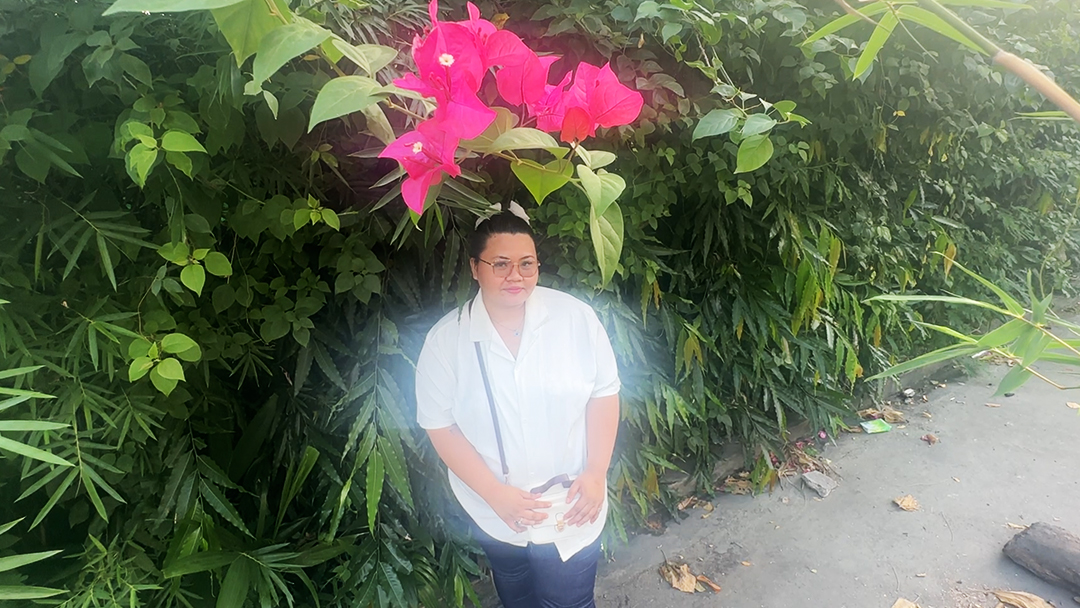
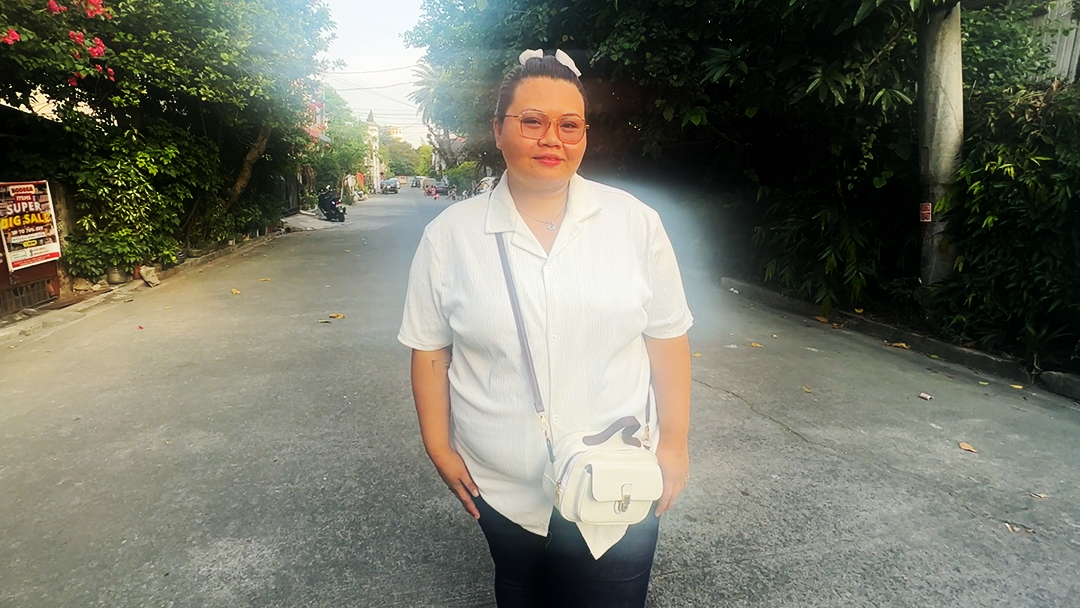
Rollie Anne Nodo, 27 years old and is from Barangay Pilar in Las Piñas City, knew she was different when she was around nine years old.
“I had a relationship with a butch woman before, when I was 12,” she said in Filipino and English. “I wasn’t attracted to boys. I was more attracted to butch or feminine women.”
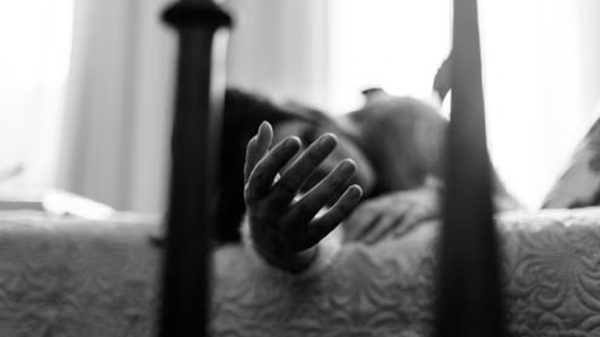
The eldest and the only girl among six kids, Rollie Anne’s parents were against her being LGTQIA+. This opposition was particularly made apparent when they dealt with her partners.
“My parents knew all the women I was in relationship with. And they were against all of them. They did everything to separate us,” she said.
In high school, a former lover was confronted by her mom, who told her: “Break up with her. You won’t get anything from her.”
Rollie Anne actually confronted her mom about this hatred. She was told that this was done out of concern.
“I asked my mom why she couldn’t accept me. She told me I have a lesbian aunt. And she saw how love hurt my aunt, to the point of attempting suicide. She said she’s afraid I’d also experience that,” Rollie Anne said.
Rollie Anne is married to a heterosexual man now. He knows everything about her, and he supports her completely.
“I never hid anything from him. He knows everything,” she said. “He supports that I support the LGBTQIA+ community. I am part of the LGBTQIA+ community at work, and here in our place, Barangay Pilar.”
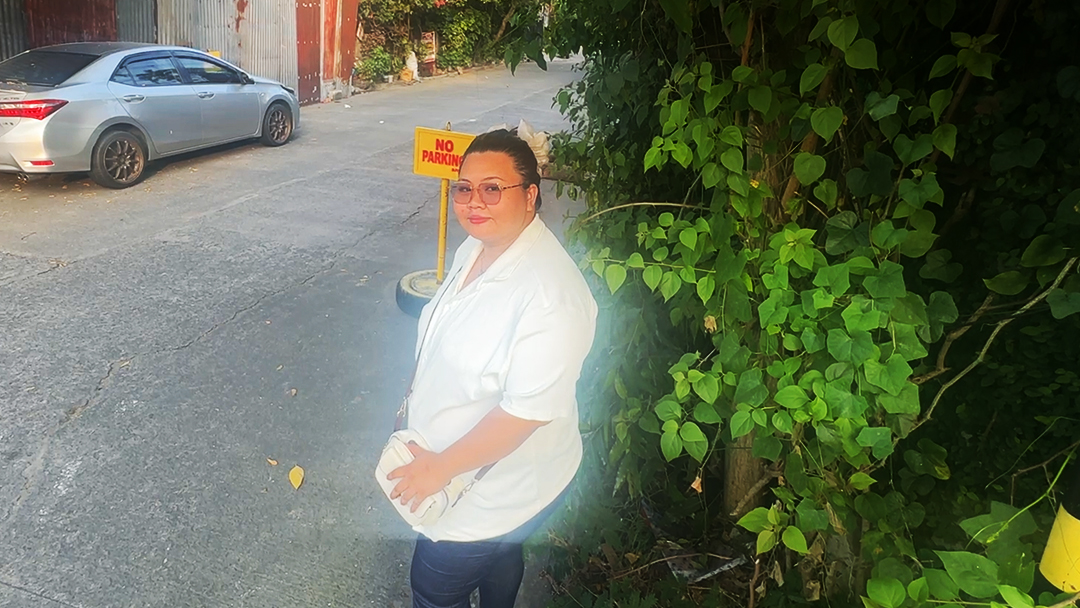
Rollie Anne completed a vocational course, and is now working in the BPO (business process outsourcing) industry.
Having experienced hardships as a bisexual woman, Rollie Anne believes having LGBTQIA+ communities is important.
“It’s there to support its members who aren’t able to come out and those who are looking for friends. LGBTQIA+ groups are very important in surfacing talents of LGBTQIA+ people,” she said.
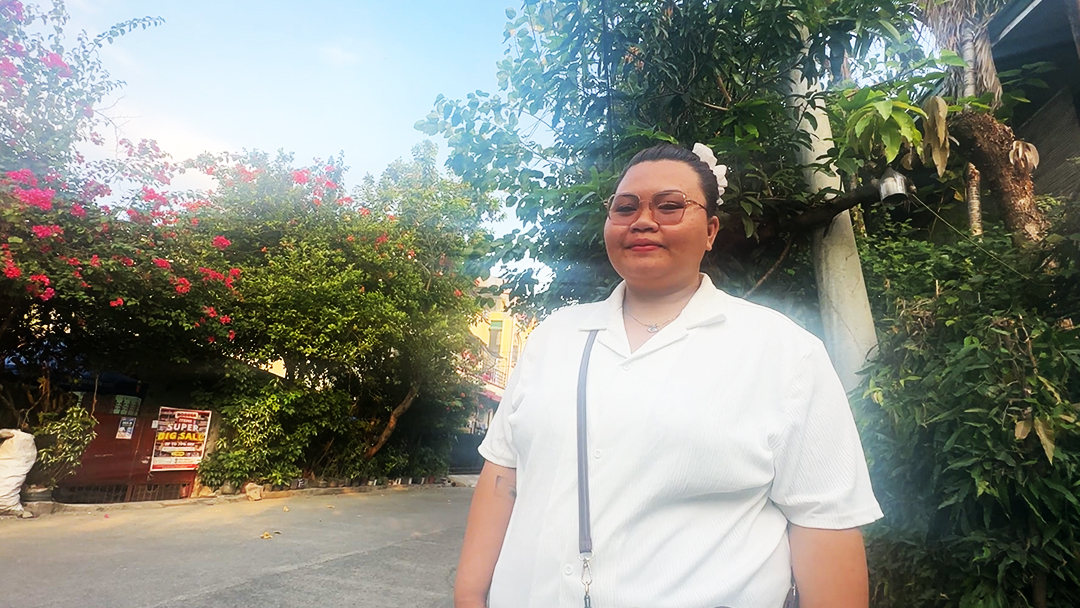
Rollie Anne wants to tell haters to recognize that LGBTQIA+ people only want to be seen as equals.
“The LGBTQIA+ community isn’t there to ruin things. We’re not here to spread evil things. We just want to be accepted as equals,” she said.
And for younger LGBTQIA+ people, Rollie Anne wants them to at least celebrate being accepted now… even if this acceptance is gradual.
“This generation is lucky. It’s now more prevalent. It’s more normal to see female-to-female, male-to-male relationships. They’re now more accepted than trans-to-heterosexual couples. So congratulations to us… that we’re gradually being accepted,” Rollie Anne ended.