


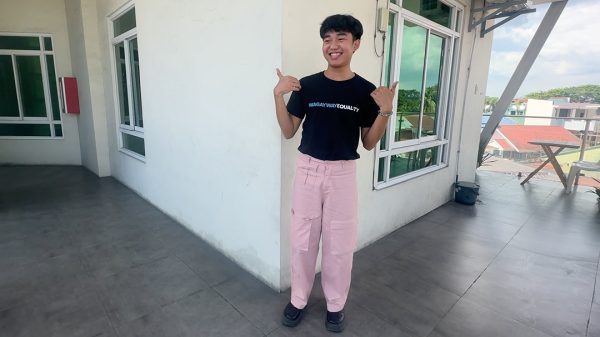







This is part of #KaraniwangLGBTQIA, which Outrage Magazine officially launched on July 26, 2015 to offer vignettes of LGBTQIA people/living, particularly in the Philippines, to give so-called “everyday people” – in this case, the common LGBTQIA people – that chance to share their stories.
As Outrage Magazine editor Michael David C. Tan says: “All our stories are valid – not just the stories of the ‘big shots’. And it’s high time we start telling all our stories.”
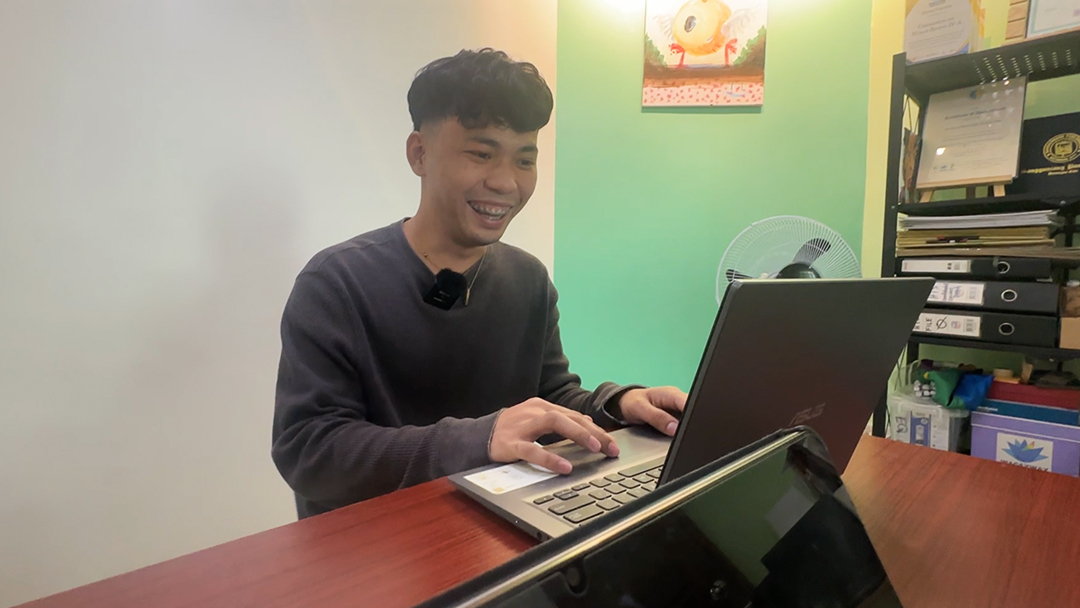
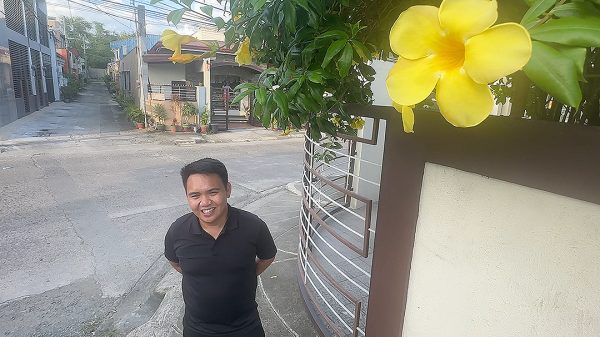
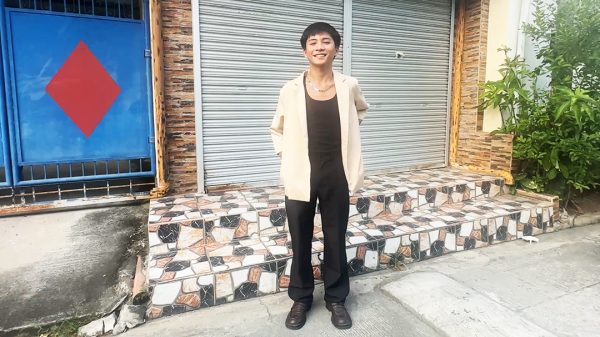
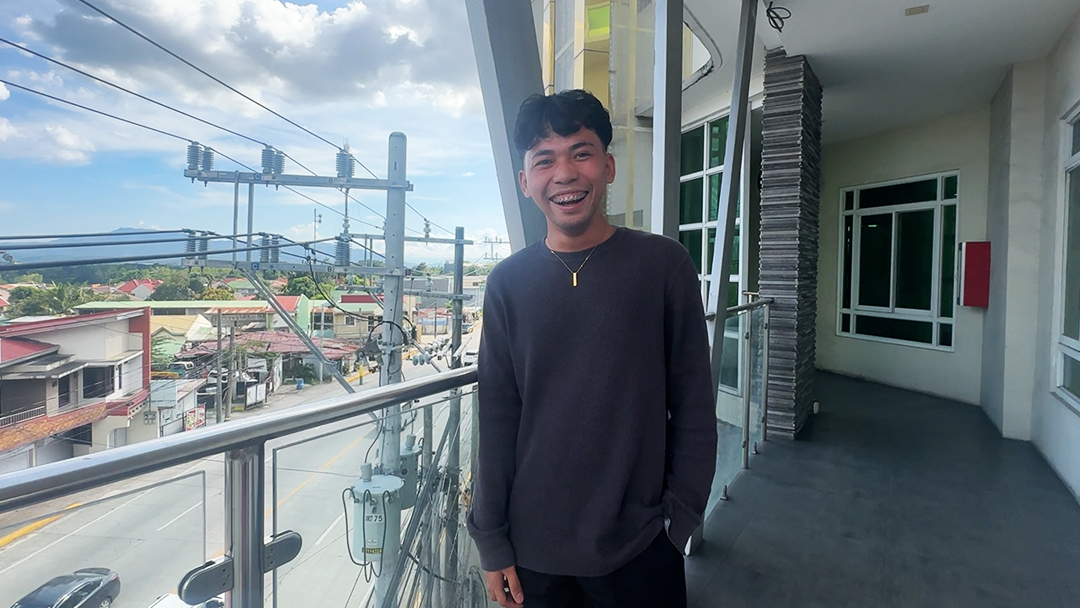
John Aries Almodjel, 22 years old from the Municipality of Tingloy in the province of Batangas, self-identifies as non-binary. It was, in fact, his father who told him he’s different.
“When I was in high school, in Grade 7, my father said there’s something different with me. I did some research online about my gender identity, which was how I found information and considered myself as non-binary,” he recalled in Filipino.
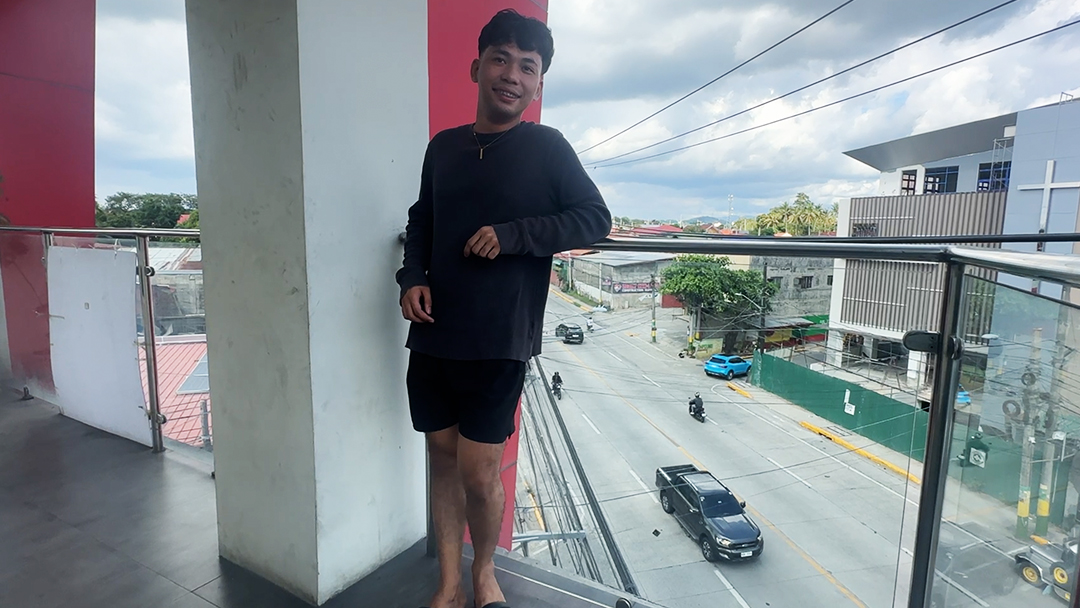
The third of eight kids, John said he didn’t have to come out. His father, in particular, always stressed to him he’s accepted.
“My father said at that time that I’m different from my siblings, I’m effeminate. But he said to me it’s okay to be like this as long as I don’t do anything bad,” he said.
While growing up, John said he couldn’t recall being discriminated for being different. Where he came from, he said, it’s not common for people to judge you for your gender identity. “They accept you as long as you’re a good person.”
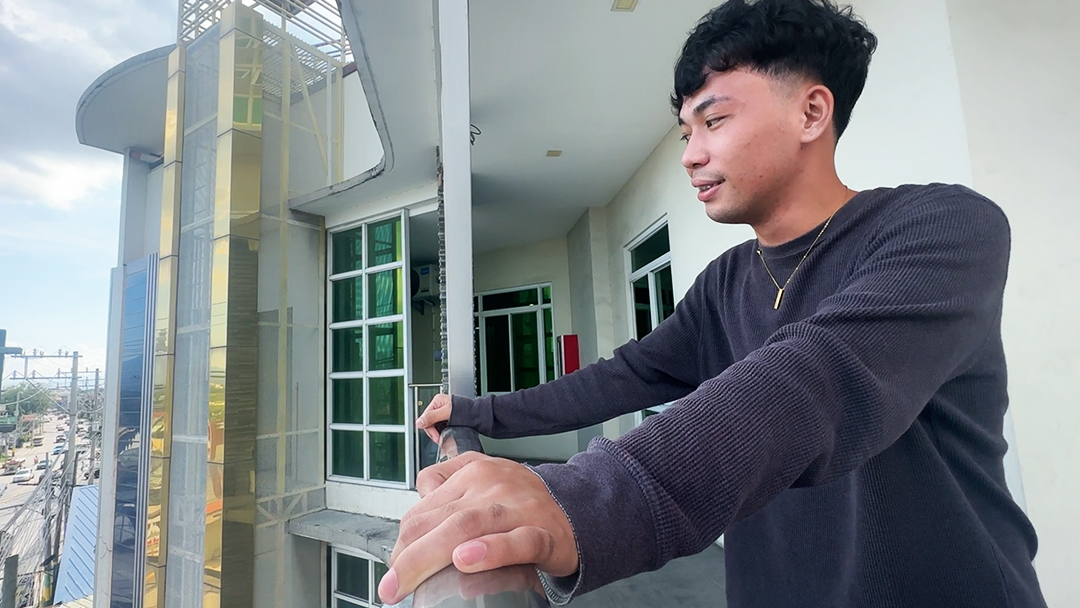
Having done Bachelor of Arts in English Language Studies, John isn’t focusing on having a relationship. But being in LGBTQIA+ relationship in Batangas can still be challenging – e.g. when one is out, and the other isn’t, so that “fights happen when one isn’t able to introduce the other to his family. It’s like we’re being hidden even though they’re introduced to our family. The concept of give and take isn’t practiced.”
For John, discrimination continues to be the biggest issue for LGBTQIA+ people in Batangas. Sadly, John noted that some of the discrimination happens within the LGBTQIA+ community itself.
“There’s discrimination against people with HIV, discrimination against transgender persons,” he said, adding that LGBTQIA+ people should be helping each other to get rid of discrimination.
John recognized that while he was lucky his parents accepted him, other parents may not be as accepting of their LGBTQIA+ children.
“Hopefully the time will come when you’d accept them since they came from you,” he said.
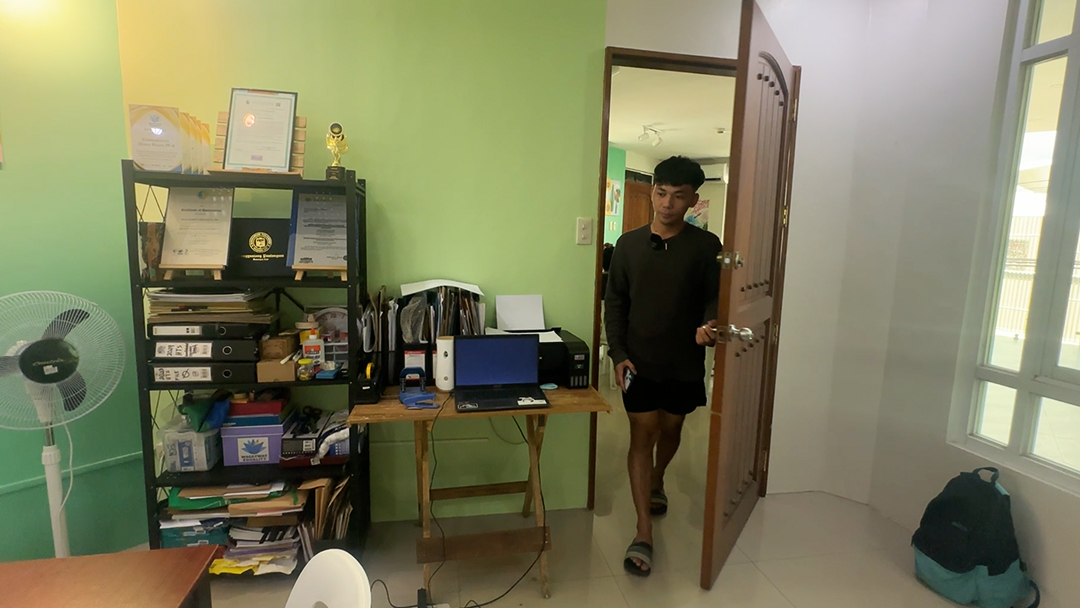
And to young LGBTQIA+ people, John’s advice is to take time in finding themselves.
“Don’t force yourself to come out. Wait for the right time when you’re ready. There’s a process. Just give yourself time to process yourself and find your real gender identity,” John ended.