

















Fashion carries a deeper meaning within queer communities than a simple aesthetic alone. Long before LGBTQ+ visibility became more accepted publicly. Clothing often functioned as a form of language. Certain fabrics, accessories, colours, or styling choices can communicate identity and signal belonging. People recognise each other safely through clothing in environments that were not always welcoming.
Even today, queer fashion continues to operate as a form of self-expression closely tied to visibility, but also identity and creativity. At the same time, mainstream fashion repeatedly draws inspiration from queer spaces, often adopting aesthetics that were originally shaped within LGBTQ+ communities.
That ongoing exchange may partly explain why classic menswear is returning to many queer fashion spaces in ways that feel familiar and at the same time completely new.
Queer Fashion Has Always Rewritten Traditional Menswear
The relationship between queer culture and menswear has never been straightforward. Queer communities have historically borrowed from traditional masculinity while also reshaping it into something more: More expressive, more coded, more subversive.
Oscar Wilde became one of the earliest known examples of this tension during the late Victorian era. His flamboyant tailoring and aesthetic sensibility challenged rigid expectations around masculinity at a time when homosexuality itself was criminalised.
Over time, coded accessories become subtle social signals, including green carnations, red ties, pinkie rings, pointed suede shoes, and even coloured socks that could indicate queerness to those who understood the references. Yet, the references remained meaningless to outsiders.
These dress codes were about survival and recognition, the ultimate search for a community in hostile environments.
Importantly, queer fashion was never limited to flamboyance or hyper-femininity, despite the stereotypes that continue to persist even today.
The Clone Era
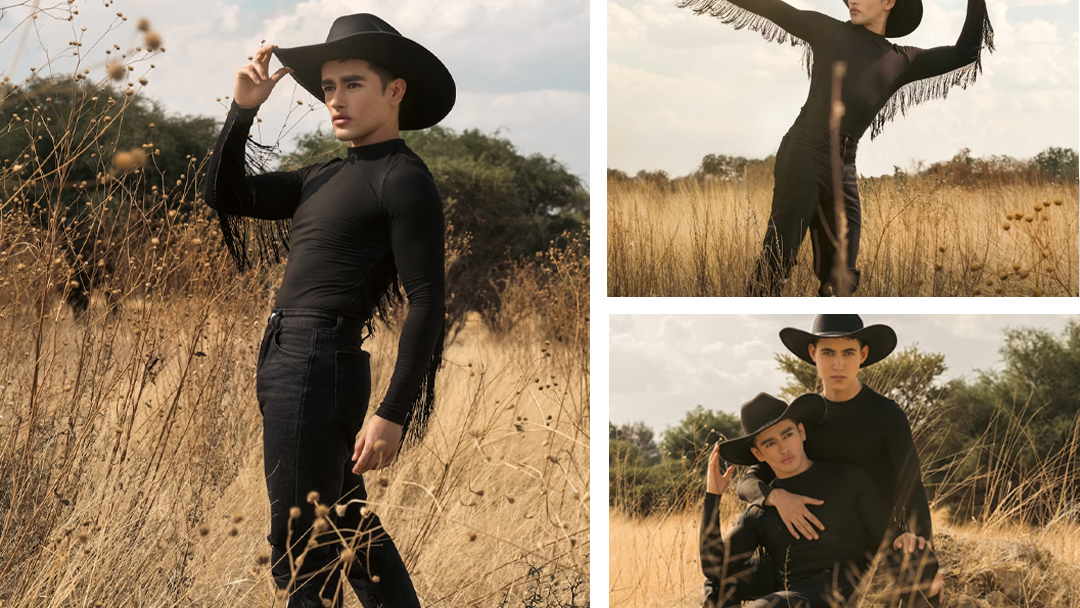
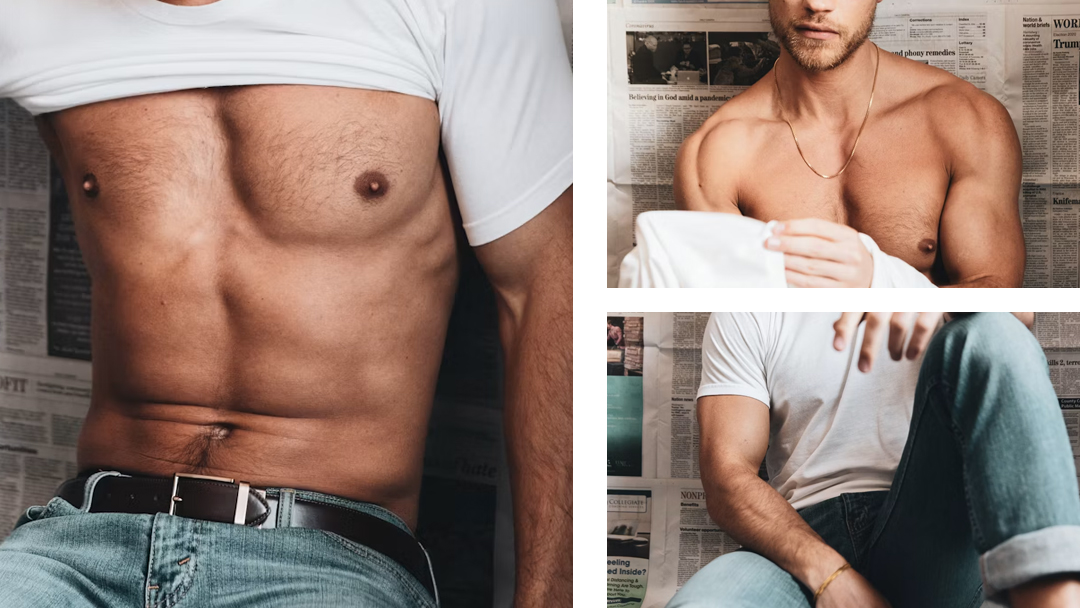
In the 1970s, the Clone Look appeared. Gay men in cities like San Francisco and New York embraced highly masculine aesthetics inspired by cowboys, construction workers, lumberjacks, etc.
Plaid shirts, bomber jackets, denim, work boots, leather, and moustaches become part of the hyper-masculine visual language. This intentionally challenges assumptions about gay identity.
The irony is that mainstream culture eventually adopted many of these aesthetics itself. So, looks that once were specifically associated with queer men became absorbed into broader fashion culture. The same process has repeated itself countless times throughout fashion history.
Younger Queer Audiences Are Rediscovering Classic Style
Social media accelerates interest in archival fashion, vintage tailoring, and heritage styling. However, many queer people are approaching classic menswear differently.
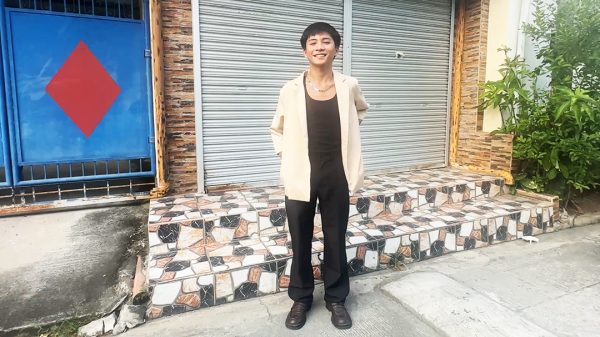
Traditional silhouettes are often softened. They are worn oversized, layered, or mixed with jewellery and gender-fluid styling choices.
At the same time, many younger shoppers are moving away from fast fashion and trend-heavy wardrobes altogether.
Footwear is naturally a part of that shift. More and more queers individuals are drawn toward timeless menswear staples, particularly from classic brands, such as a pair of Alden loafers, which fit naturally into both tailored and relaxed everyday styling.
Mainstream Fashion Keeps Borrowing From Queer Spaces
Fashion industries have constantly absorbed aesthetics that first gained traction in queer spaces: voguing, clubwear, hyper-masculine workwear styling, gender-fluid tailoring, etc.
British designer Craig Green observed that straight men often end up copying styles that originally emerged within gay subcultures.
Once the looks cross into mainstream culture, their original coded meanings disappear. Yet queer fashion rarely stands still long enough to become fully absorbed.