































When you’re packing for a beach vacation, a simple suitcase usually does the trick. But you can find more travel adventure tips to make your trip even smoother. Adventure travel, though, is a whole different ballgame. If your journey involves capturing amazing drone footage in the mountains, doing research in the jungle, or navigating with special electronics, you’re hauling more than just clothes. You’re carrying expensive, delicate, and often oddly shaped gear that needs way more than a regular backpack can offer.
Defining Adventure Travel Gear
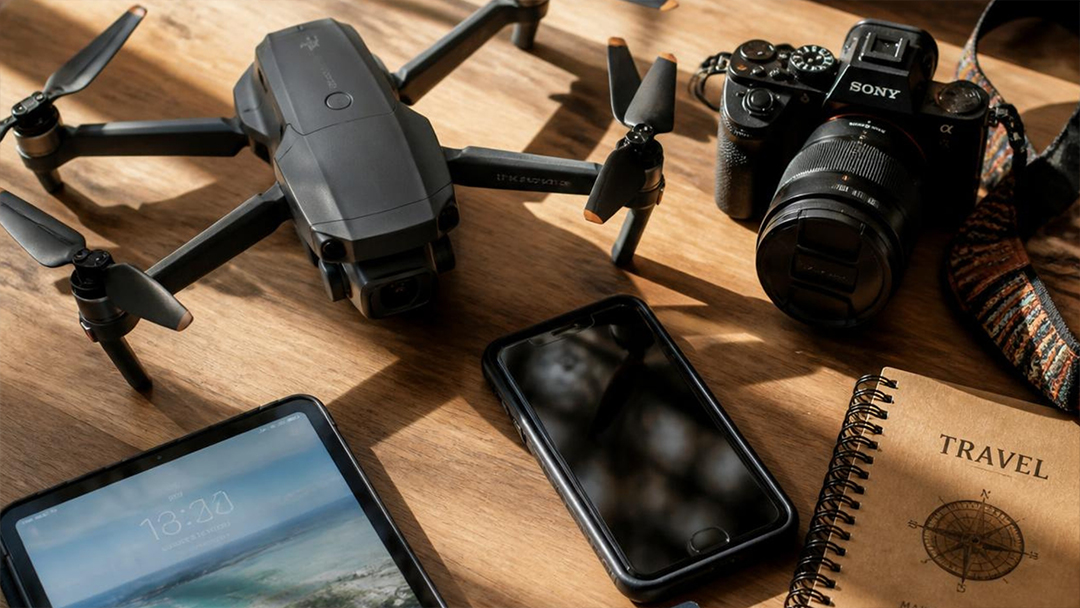
Adventure travel gear isn’t just about hiking boots and a rain jacket. It’s the specialized stuff that makes your unique trip actually happen. Picture professional camera bodies with lots of lenses, aerial drones with their controllers and extra batteries, satellite communication devices, or portable scientific instruments.
This isn’t the kind of stuff you can just toss into a duffel bag. Every piece is an investment and important for your expedition to succeed. Lots of travelers trust expert-favorite travel gear that’s been tested out in the field, but even the best equipment is useless if it gets broken on the way. The main thing to remember is that this gear is often fragile, costly, and absolutely essential for what you’re trying to do on your trip.
Why Off-the-Shelf Solutions Fall Short
You might think a camera bag with adjustable Velcro dividers is good enough, but these one-size-fits-all options often fall short when it really counts. Those dividers can shift around during bumpy travel, letting your expensive lens bang against a camera body. The padding is pretty generic, not shaped to fit your specific gear, leaving gaps where vibrations and shocks can cause damage.
Imagine trying to cram a drone, its controller, three batteries, and a charging hub into a bag with just simple square compartments. It turns into an awkward puzzle, leaving items loose and vulnerable. This is where generic solutions really show their weaknesses; they’re made for common shapes, not the specific, irregular forms of specialized adventure tools.
Ensuring Maximum Gear Protection
The best way to keep your valuable equipment safe is to make sure it can’t move at all while you’re traveling. Hard-shell cases are great for protecting against bumps and water, but the real magic happens on the inside. Instead of counting on flimsy dividers, the ultimate solution is to create a snug, custom-fit spot for each individual item. This completely stops any movement, soaking up shock and vibration from bumpy jeep rides or turbulent flights.
This level of security is actually more achievable than you might think. Getting custom-cut inserts is the most effective way to get total protection for your gear and ensure everything arrives in perfect working order. Every single component, from the drone body to the smallest spare propeller, gets its own dedicated spot, holding it securely no matter how much the case gets jostled.
Organizing for Harsh Environments
Great protection is only half the battle. In tough environments, like a dusty desert, a humid rainforest, or in the dim light of dawn, you need to find your gear quickly and easily. A well-organized case means you won’t be digging through a mess of cables and accessories while conditions are making things harder for you.
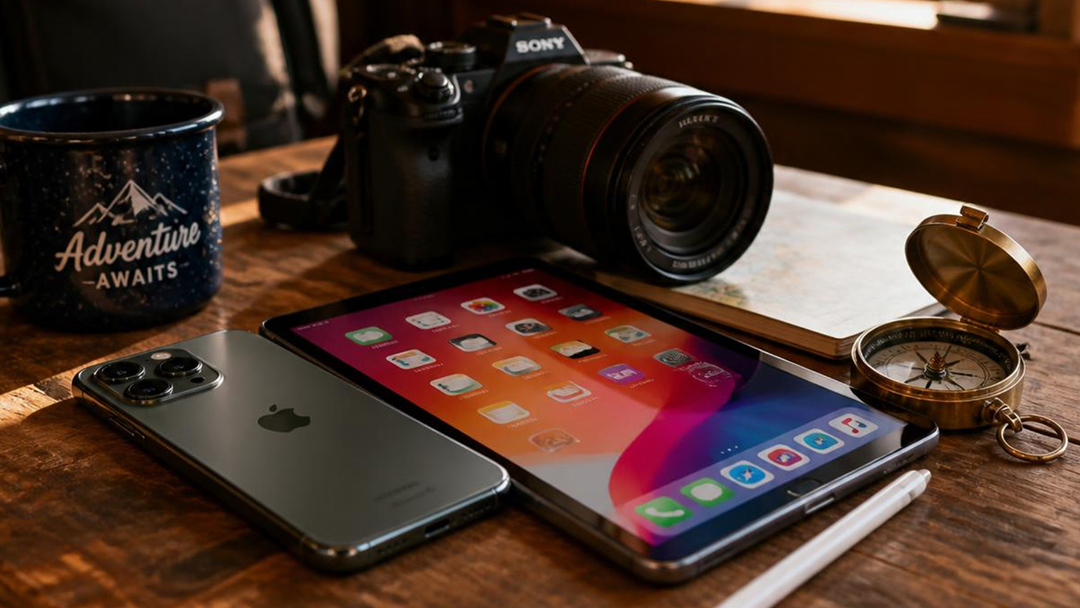
Think like a surgeon getting their instruments ready. Lay out your gear logically, putting items together by what they do. For example, put all your charging stuff in one area: batteries, cables, and power banks. Keep all your camera lenses together. This “kit” approach lets you grab what you need without messing up everything else. The rules of organization are just as important on the road as they are when storing travel gear at home.
Packing for Remote Destinations
When you’re heading somewhere remote, you’re basically your own support crew. There’s no corner store to buy a new charging cable or a camera shop to fix a broken mount. Your packing plan needs to include being self-sufficient. First, think about weight and how much space things take up, especially if your trip involves small planes or long hikes where every ounce really counts.
Next, consider having backups and ways to fix things. Pack extra batteries and memory cards. Bring a small tool kit with essentials like a multi-tool, gaffer tape, and zip ties; these simple items can solve a surprising number of problems. Before you leave, test every piece of equipment and make sure everything is fully charged. When you’re miles from civilization, being prepared isn’t just a good idea; it’s absolutely everything.
Taking the time to properly protect and organize your specialized equipment is an important part of planning any adventure. It makes sure the tools you rely on are safe, easy to get to, and ready for action the moment you arrive.