



























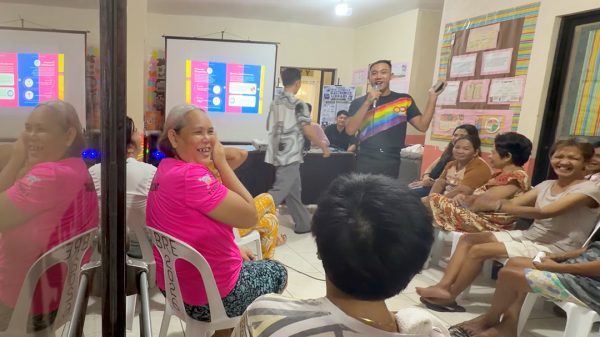




In Rizal Province, two municipalities – Binangonan and Taytay – passed ‘Right to Care’ ordinances that allow those in non-traditional relationships to make medical decisions for their incapacitated partners.
This move, according to the statement from Binangonan, is “an important step in establishing a system that recognizes the dignity, voice, and rights of every person no matter their state in life or their gender”.
In Binangonan, Executive Order No. 34, s. 2026 was signed in July, designating the Gender and Development (GAD) Office as the Program Management Office (PMO) to implement the Right to Care Program.
“(A)ng mga kwalipikado ay maaaring pumili ng taong pinagkakatiwalaan nila (asawa, partner, kapamilya, kaibigan, caregiver, o iba pang mahalagang tao para sa kanila) na kikilalaning Health Care Agent o kinatawan kapag hindi na nila kayang magsalita o makapagdesisyon para sa kanilang sarili.“
Particularly included in the list of facilities expected to honor the ordinance are public hospitals, Rural Health Units (RHUs), Municipal Health Office, and Barangay Health Stations, though also private hospitals, clinics, dialysis centers, diagnostic facilities, lying-in clinics, and others.
In Taytay, Ordinance No. 2606-035 was passed on October 6, thereby making it the second local government unit in Rizal province to enact such a policy.
In a Facebook post, Taytay councilor Tobit Cruz – who co-authored the ordinance with councilor JV Valera – said that this is expected to “help those who are in non-traditional family set-ups to authorize partners or healthcare proxies to decide for them during health emergencies through a special power of attorney.” This is, thereby, expected to benefit cohabitating or live-in partners, those without family living nearby, those who are alone in life, or same-sex couples.
To date, Quezon City, San Juan City, Iloilo City, Parañaque City, Dasmariñas City, Cavite, Mandaluyong City, Biñan City, Laoag City, Carmona City, and Danao City already have ‘right to care’ ordinances. At the provincial level, Cavite, Laguna, Cebu, Ilocos Sur, and Northern Samar have their own versions of the ordinance.