























Clothing can turn an ordinary morning into a quiet act of self-recognition. The colors, textures and shapes you wear communicate personality while influencing how you carry yourself through the day. That doesn’t require an expensive closet or strict fashion rules.
A useful wardrobe reflects your current identity, fits your daily life and gives you room to experiment. When getting dressed becomes a form of personal self-expression, each outfit offers a small opportunity to affirm who you are.
Style as Visual Voice
Personal style speaks before introductions happen. A bright patterned shirt might reflect openness and creative energy, while a sharply tailored jacket can convey focus. These signals aren’t fixed, however, and you’re free to change them according to your mood, setting or stage of life.
Start by identifying three words you want your clothes to express, such as playful, grounded and polished. Use those words while reviewing outfits instead of chasing every trend. Take mirror photos of combinations that feel especially natural. After two weeks, look for repeated colors, cuts and accessories. Those patterns reveal more about your visual voice than a prescribed style category ever could.
Embracing Feminine Softness on Your Terms
Feminine dressing can include flowing fabric, delicate detail and gentle color, but it has no single formula. You might feel most yourself in a floral dress or prefer a structured outfit softened with one expressive accessory. Both approaches let you define femininity personally, without treating it as a dress code.
Texture is an easy place to experiment. Try a satin blouse with denim, a soft cardigan over a crisp shirt or silk scarves for women tied at the neck, wrist or handle of a daily bag. If pastel shades don’t suit you, explore softness through draping and movement in deeper colors. Keep the combinations that make you feel comfortable, visible and fully present.
Breaking Free from Standard Silhouettes
Retail sizing and seasonal trends often promote a narrow set of proportions. Your body doesn’t need to conform to those templates. Clothes should support movement and help you create the outline that feels right to you.
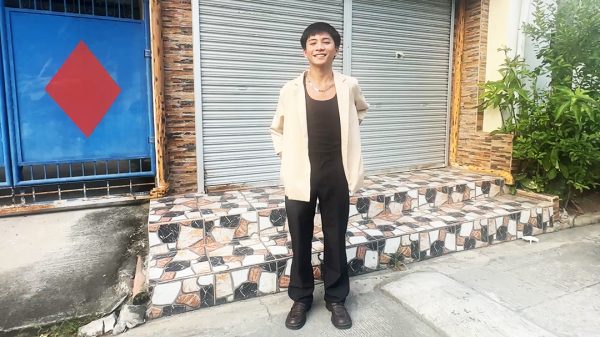
Experiment with proportion using pieces already in your closet. Pair a fitted top with wide-leg pants, wear a loose button-down over a close-fitting base layer or add a belt at different points along your torso. A tailor can also adjust a shoulder seam, sleeve or hem so a favorite item works better.
This process connects with enclothed cognition, a psychological concept exploring how clothes and their symbolic meaning may affect the wearer’s thoughts and behavior. Fit alone won’t create confidence, but clothing that supports your intended mood can reinforce it.
Cultivating Daily Wardrobe Joy
Wardrobe joy grows through regular use, not through saving favorite pieces for an undefined special occasion. Wear the colorful earrings to lunch. Put on the beautifully printed blouse for a video call. Let the embroidered jacket brighten a routine grocery run.
A simple outfit formula can reduce morning stress while leaving space for creativity. For example, choose one comfortable base, one interesting layer and one personal detail. The detail could be a scarf, unusual socks or a piece of jewelry connected to someone you love.
Care matters too. Mend loose buttons, steam wrinkled fabric and store accessories where you can see them. At the end of each season, note which items you reached for repeatedly. Move neglected pieces elsewhere for a month before deciding what to donate, alter or pass along. This pause helps separate a temporary styling problem from a genuine mismatch.
The most affirming outfit may be modest and familiar: pants that move well, a favorite top and one detail that feels unmistakably yours. When your reflection looks connected to the person you know yourself to be, getting dressed has already done something meaningful.