
























PhilHealth will start allowing its members to declare health proxies for emergencies this September.
During the House Committee on Appropriations’ second budget hearing for the Department of Health (DOH), Akbayan Party-list Rep. Perci Cendeña noted that some hospitals do not recognize the Right to Care ordinances of some local government units (LGUs) because of the lack of a memo from DOH.
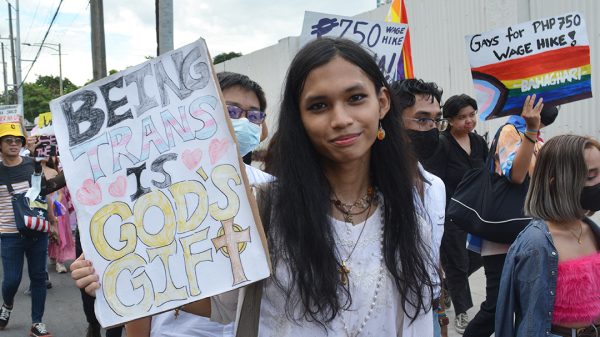
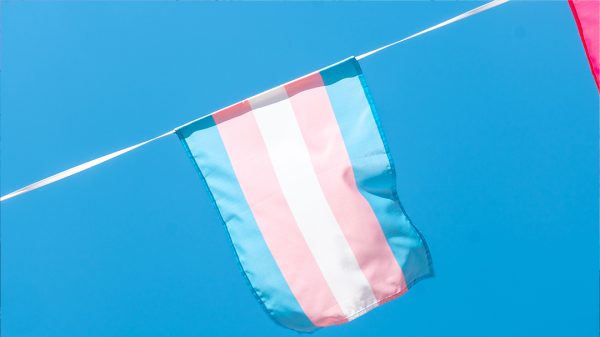
These Right to Care ordinances aim to address gender-based discrimination in the healthcare sector by enabling members of the LGBTQIA+ community to designate their partners as their health proxies, particularly in emergency or critical medical situations.
“Currently, we’re updating our membership or registration form. In that latest update, we will include the field for declaring a health proxy,” said Joseph Anthony D. Lachica, vice president for PhilHealth’s Member Management Group.
According to health secretary Edwin Mercado, the updated form will be ready by the end of September.
Though welcome, PhilHealth’s move is actually late and is only done as reaction to the Right to Care ordinances of at least nine LGUs, including the cities of Quezon, San Juan, Mandaluyong, Parañaque, Dasmariñas, Iloilo, Biñan, Carmona, and Laoag; and four provinces including Cavite, Cebu, Laguna, and Ilocos Sur.