



























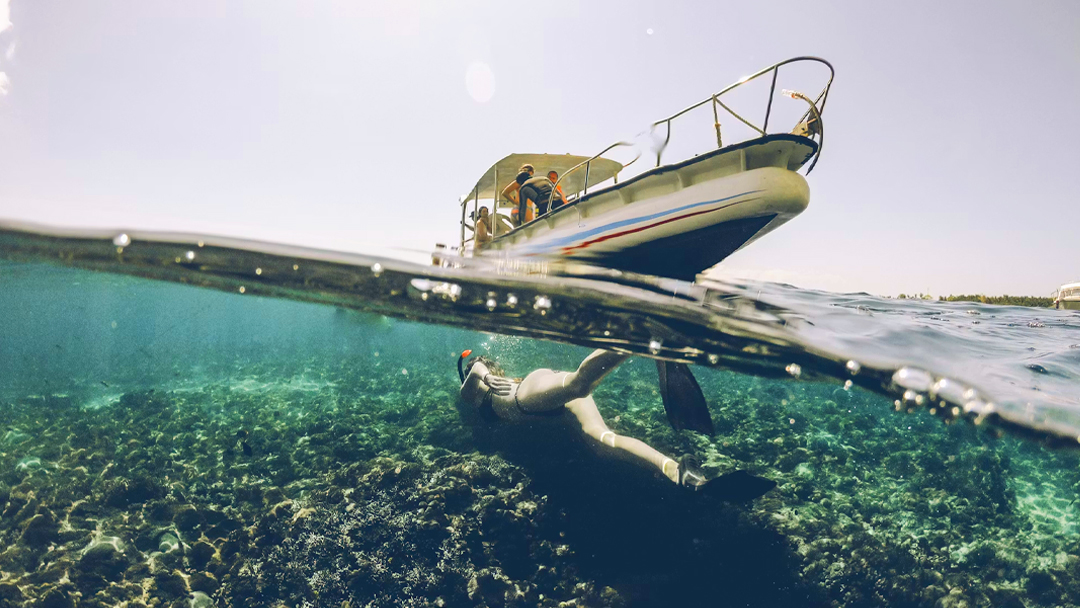
There’s a special kind of freedom and adventure that comes with being out on the water. If you’ve ever watched boats go by and felt like you wanted to join them, this guide is for you. Boating is an easy-to-get-into hobby that opens up a whole new world, whether you’re looking for quiet fishing trips on a misty lake or lively afternoons with family and friends. This guide will show you the first steps to make your boating dreams a reality.
First Steps to Becoming a Boater
Learning is the first step to becoming a boater. Before you even think about buying a boat, it’s smart to take a boating safety course. Many states require a boating education card to operate a boat, and these courses teach you the basics you need to feel safe and confident. They cover everything from navigation rules and understanding buoys to handling emergencies. You can find courses through the U.S. Coast Guard Auxiliary and other local groups. Getting some hands-on experience by renting a boat or going out with a friend who knows the ropes is also a great way to see if you really enjoy being in charge.
Understanding Different Boat Types
The word “boat” actually covers a huge range of vessels, each made for a different purpose. Thinking about how you’ll use your boat will help you narrow down your choices.
- Fishing Boats: These are built to be stable and often have livewells, rod holders, and open areas for casting. They can be small aluminum boats for calm lakes or bigger center consoles for fishing offshore.
- Ski and Wakeboard Boats: Made for watersports, these boats have powerful engines and hull shapes that create the perfect wake for skiing, wakeboarding, or tubing.
- Pontoon Boats: Known for being stable and having large, flat decks, pontoons are like a floating patio. They’re perfect for relaxed cruises, entertaining friends and family, and casual fishing. Many people looking for a versatile family boat often start by looking at pontoon boats for sale.
Safety Essentials on the Water
Safety should always come first. Every time you leave the dock, you’re responsible for everyone on board. A good beginner guide to boating will always stress using a pre-departure checklist. Make sure your boat has all the safety gear required by law. This usually includes a life jacket or personal flotation device (PFD) for everyone, a throwable flotation device, a fire extinguisher, and ways to signal visually and with sound, like flares and a horn. Beyond what’s required, it’s smart to have a first-aid kit, a reliable anchor, and a VHF radio for talking to others, especially if you go far from shore where cell service is spotty. Always check the weather forecast before you go out and be ready to change your plans if conditions look bad.
Where to Find Your First Boat
Once you have an idea of the kind of boat you want, it’s time to start looking. You can buy new or used from several places. Dealerships sell new boats with warranties and often offer financing and service. They’re a great source of information and can help you through the buying process. The used market can save you a lot of money, but it needs more careful checking. You can find used boats through brokers, online marketplaces, and private sellers. If you buy used, it’s highly recommended to have a professional survey the boat. A marine surveyor will check the hull, engine, and other systems to find any problems that might not be obvious to someone without training.
Basic Boating Maneuvers
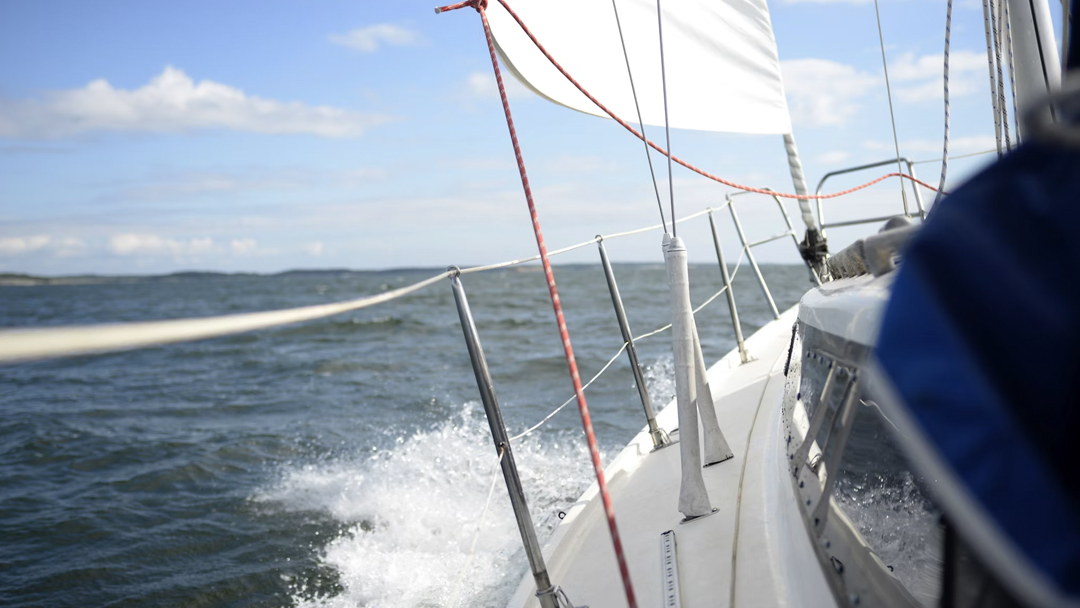
Operating a boat is a skill that gets better with practice. Start in calm, open water to get a feel for how your boat handles. One of the first things to master is docking. Approach the dock slowly and at a shallow angle, using short bursts of power to control your speed. Wind and current will affect your boat, so always be aware of what’s around you. Another important move is anchoring. When you find a good spot, head into the wind or current, stop the boat, and then slowly lower the anchor. Don’t just throw it overboard. Let out enough line, usually 5 to 7 times the depth of the water, to make sure the anchor holds firmly. Mastering these basic skills will build your confidence and make every trip more enjoyable.
To become a confident boater, you need a good base of knowledge and to build your skills over time. Take it easy, focus on safety, and soon you’ll be making your own adventures on the water.