









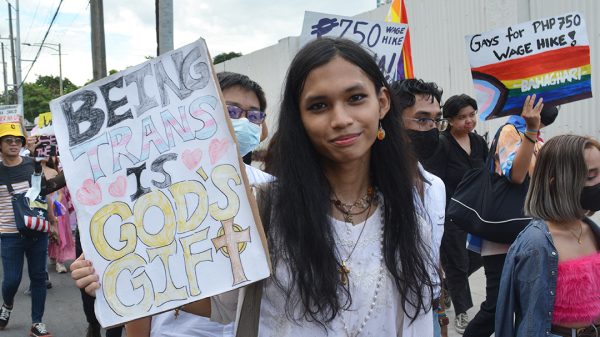





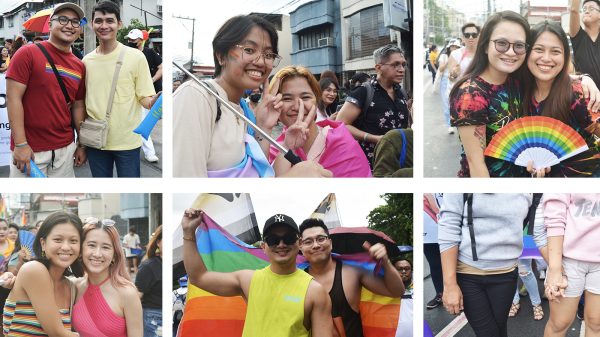








Chosen family can shape how people experience loss, who supports them through it and how a loved one’s memory survives. For many LGBTQ+ people, close friends, former partners, mentors and community elders hold the emotional roles commonly assigned to relatives.
Yet those bonds may go unrecognized after a death. Creating inclusive remembrance practices gives the people who knew someone best a meaningful place in mourning, storytelling and long-term commemoration.
The Protective Power of Chosen Kinship
A chosen family grows through trust, care and shared experience. Its members may provide a place to stay, accompany someone to medical appointments or show up during a crisis. These chosen family benefits become especially visible during bereavement, when dependable support can soften isolation.
Researchers also draw a nuance between family types since people may describe some close relationships as family while reserving “chosen family” for bonds formed in response to unmet needs. After a death, those distinctions matter. Friends can protect one another by recording emergency contacts, discussing remembrance wishes and making sure several trusted people know where important documents and personal stories are kept.
Gaps Left by Traditional Funerary Customs
Traditional services often assume relatives understand the deceased person best. That assumption can leave a close friend unmentioned, use an outdated name or present a life story that excludes significant relationships. Chosen family members may also receive information late, limiting their chance to attend or contribute.
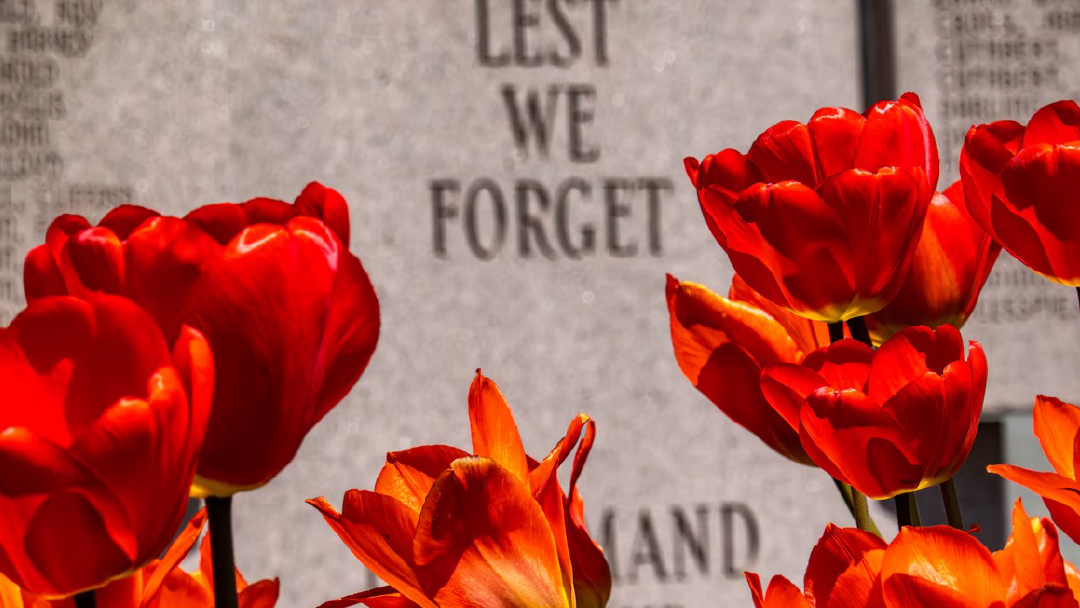
Create a separate community remembrance when the formal service leaves gaps. It could take place in a living room, community center or favorite park. Invite guests to share photos, songs and short memories that reflect the person accurately. Permanent items such as memorial plaques can also mark a shared garden, home or gathering space. Before ordering one, confirm the preferred name, dates, pronouns and wording with several people who knew the person well.
Permanent Tributes That Honor True Identity
A lasting tribute should preserve the details a person valued about their own life. Start with the name they used, then consider the relationships, creative work, causes and everyday rituals that mattered to them. A tribute might include a phrase they often said, artwork they created or the nickname used among friends.
Accuracy deserves care because grief can make consultation feel difficult. Ask two or three trusted people to review text before it becomes permanent. Check spelling and dates, but also ask whether the description sounds like the person. Keep private information out unless they clearly wanted it shared. When relatives and chosen kin disagree, a community tribute can offer space for an authentic account without turning remembrance into a public dispute.
Preserving Legacies for Future Generations
Legacy preservation works best when memories are stored in more than one form. Record short audio interviews, scan photographs, and write down the context behind objects that might otherwise seem ordinary. A concert ticket or handwritten recipe can reveal more than a formal portrait when its story stays attached.
Digital folders should have clear file names and at least two trusted caretakers. Physical copies can go to different friends so one move, damaged device or lost password doesn’t erase the collection. Broader research on sexual-minority families also helps challenge the idea that one family structure holds greater legitimacy than another.
The most faithful archive may begin with one recorded voice telling a familiar story exactly as the community remembers it.