








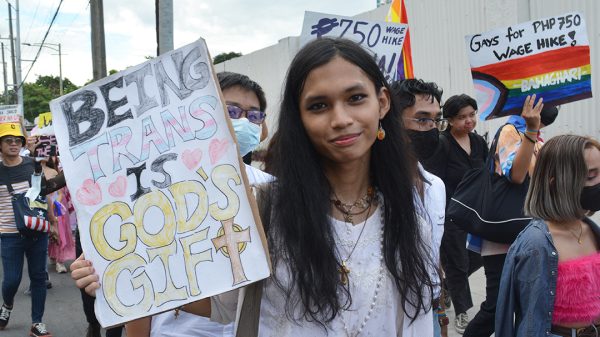
























There are persistent disparities in preventive cancer care across different sexual orientation and gender identity.
This was noted by a study, “Sexual Orientation and Gender Identity Based Disparities in Colorectal, Cervical, and Breast Cancer Screening in the United States”, that was published in the journal Cancer.
To assess SOGI differences in cancer screening and prevalence, the researchers analyzed data from the 2018–2022 Behavioral Risk Factor Surveillance System, a nationally representative annual telephone survey of US adults.
The researchers found that among 663,924 respondents who were eligible for different cancer screening tests:
- sexual orientation minority (such as gay and bisexual) women were 8% and 16% less likely to receive screening tests for cervical cancer and breast cancer, respectively, compared with heterosexual women
- in men, sexual orientation minorities had a 10% higher colorectal cancer screening rate that heterosexual men
- compared with cisgender status, gender identity minority (such as transgender) status was associated with a 42% and 76% lower likelihood of cervical cancer and breast cancer screening, respectively, with no differences for colorectal cancer screening
- SOGI was not associated with meaningful differences in cancer prevalence
“The current data highlight how sexual and gender minority populations, particularly transgender individuals, face significant disparities in accessing breast and cervical cancer screenings,” said senior author Timothy M. Pawlik, MD, MPH, PhD, of The Ohio State University Wexner Medical Center. “The study emphasizes the urgent need for targeted interventions, including improved training for providers and policy reform, to bridge these gaps and ensure equitable, inclusive care.”