





















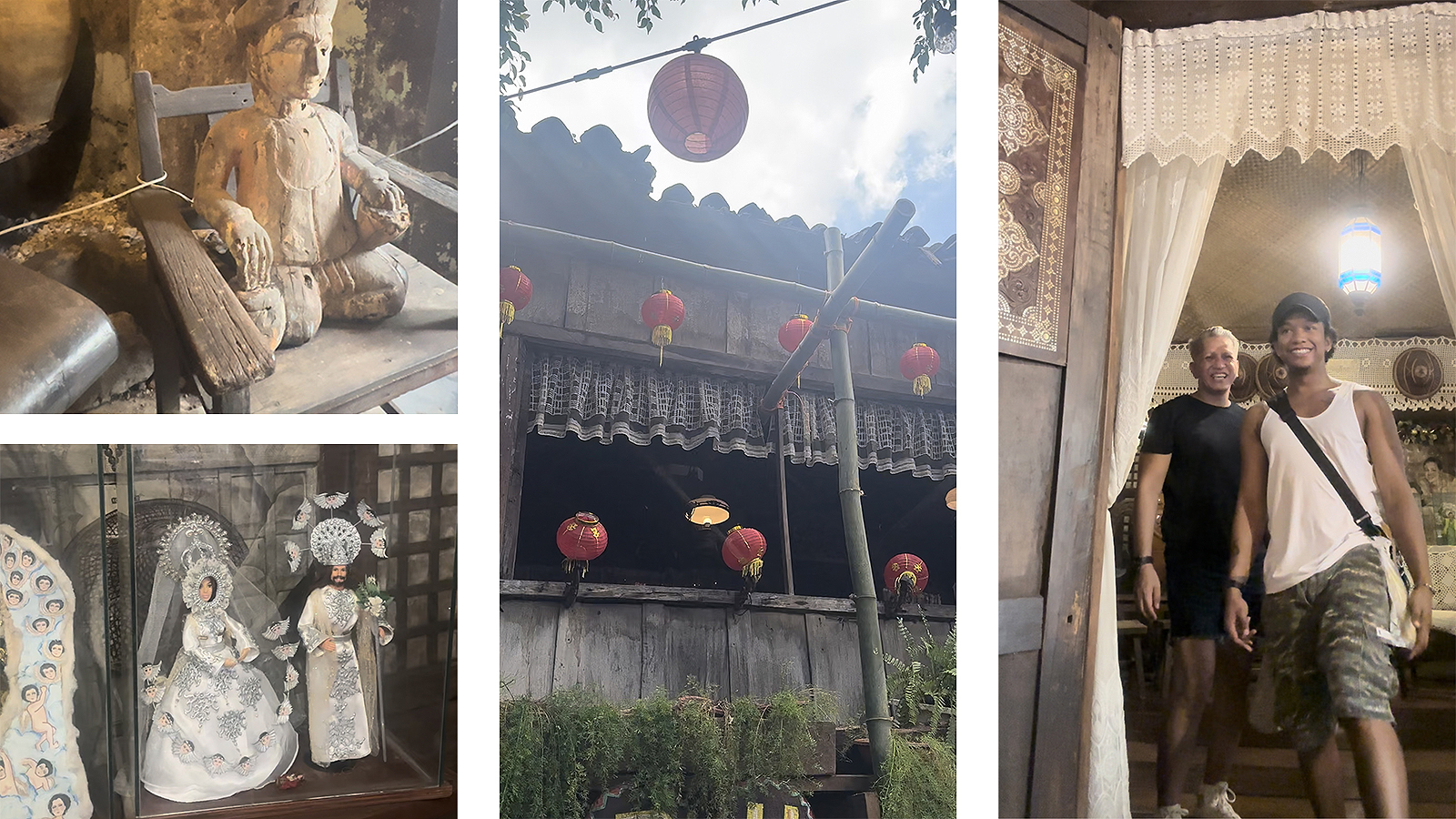
Filipinos have really short memory – e.g. look at the return of the Marcoses to power, sans admitting their guilt and the return of their ill-gotten wealth. But our forgetfulness is also apparent in our lack of appreciation of everything historical – e.g. it’s so easy for us to unnecessarily get rid of historical edifices, erasing not just our past, replacing them with horrendous structures that, guaranteed, won’t stand the test of time (I’m looking at your condos, among others, SMDC, Cityland, et cetera).
This is where private persons, particularly those with old lineage, step up.
Consider the Yap-Sandiego Ancestral House in Cebu City.
@outragemag #Cebu is recognized as the #oldestcity in the Philippines, and to get your #LGBT glimpse of its #history, check the likes of #yapsandiegoancestralhouse ♬ original sound – Outrage Magazine
Una, the ancestral house is easy to find naman, as it’s located in the Parián area in Cebu City, where the Chinese were required to live during the Spanish occupation. As one of the older parts of the city, this is easily accessible by public transport.
Ikalawa, opened to the public in 2008, this provides a glimpse of how it was to live in the city in the olden times. Note that there’s an entrance fee of ₱100 (discounted for PWD, seniors, and students).
Built between 1675 and 1700 by Don Juan Yap, a Chinese merchant from Fujian in China, together with his wife Doña Maria Florido, the ancestral house is a two-story structure constructed out of coral stone and wood. Style-wise, it’s similar to the Bahay na bato Philippine architectural style, complete with an open-air garden on the first level, windows on the second level, and a downward sloping roof. We still can’t imagine how people from the past comfortably moved in this place, considering the limited spaces for gown-wearing women, among others.
Anyway, there are a handful of historical artifacts on display, a lot of them church-related. Just don’t expect to see anything grand so you don’t get disappointed.
Ikatlo, the house is protected by the National Historical Commission of the Philippines, and is maintained by the original family’s descendant Val Mancao San Diego.
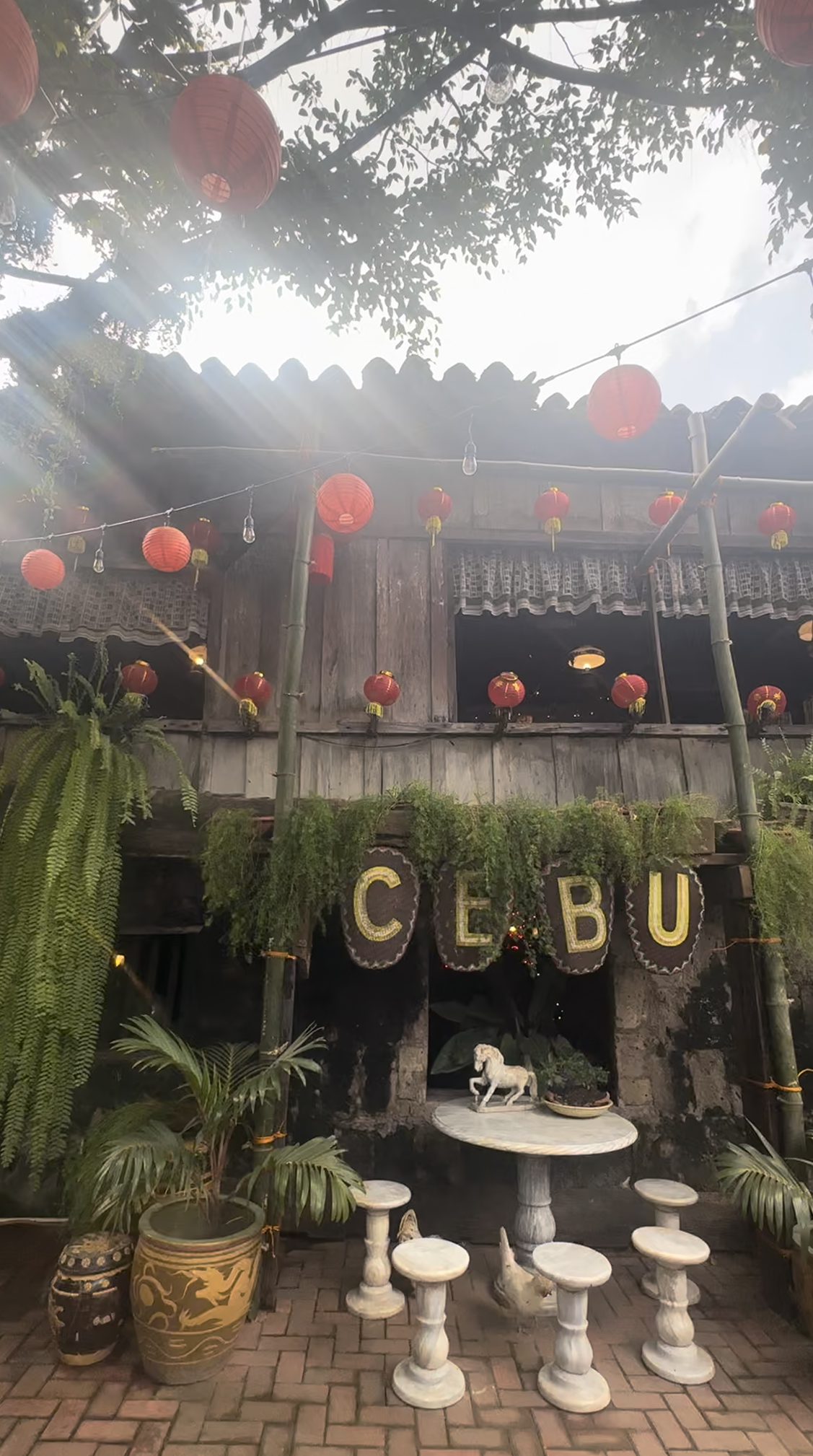
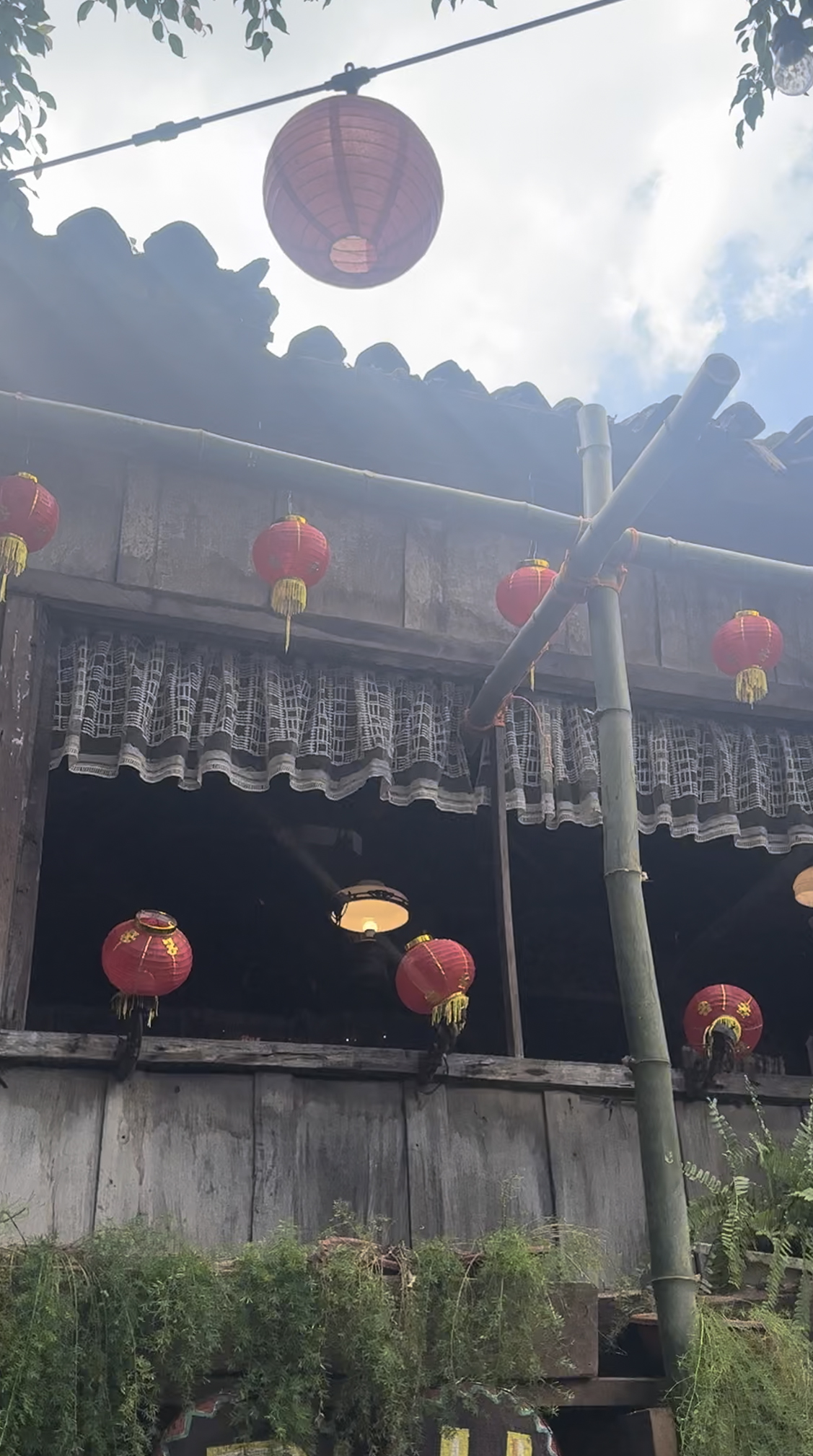
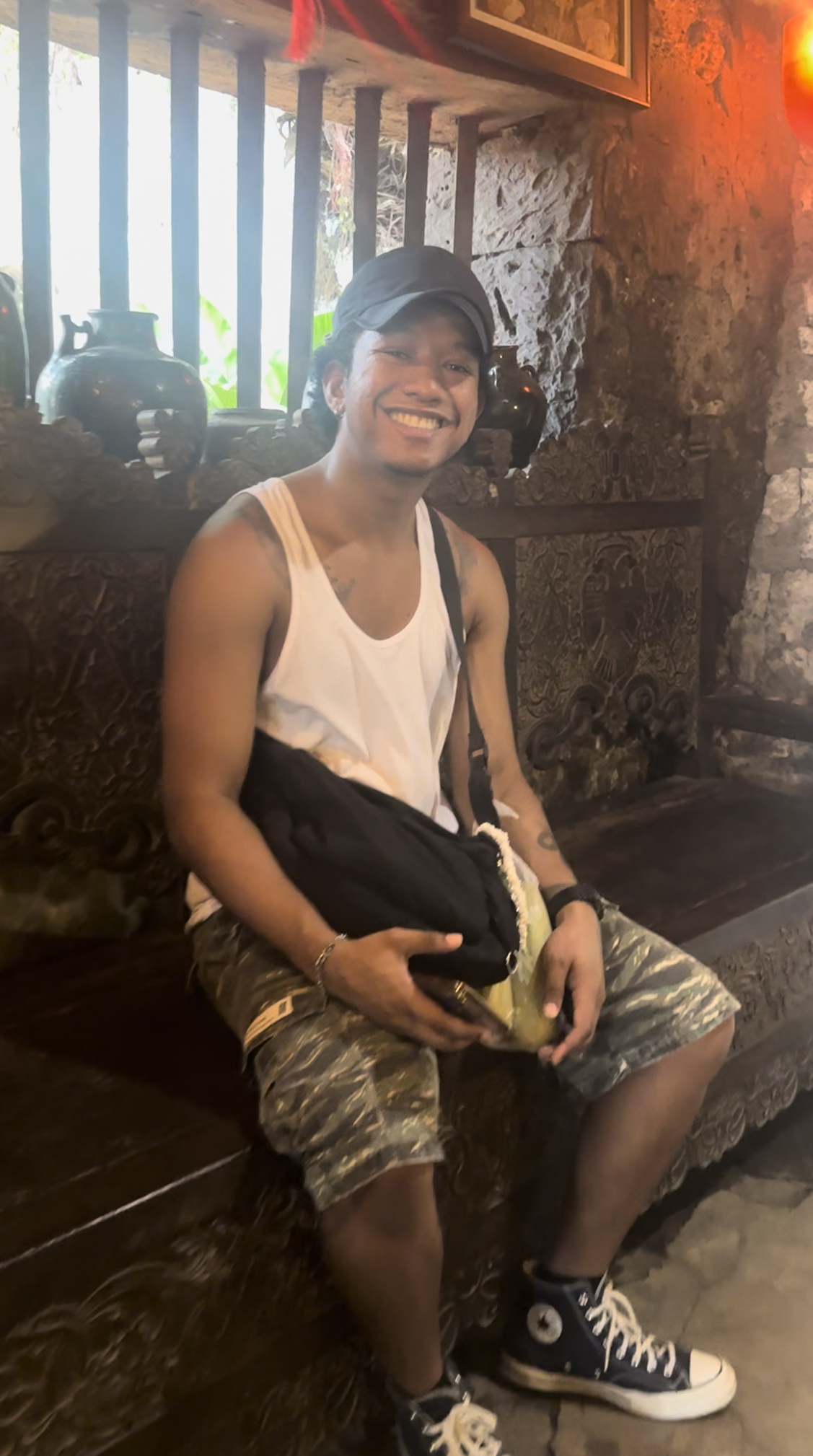
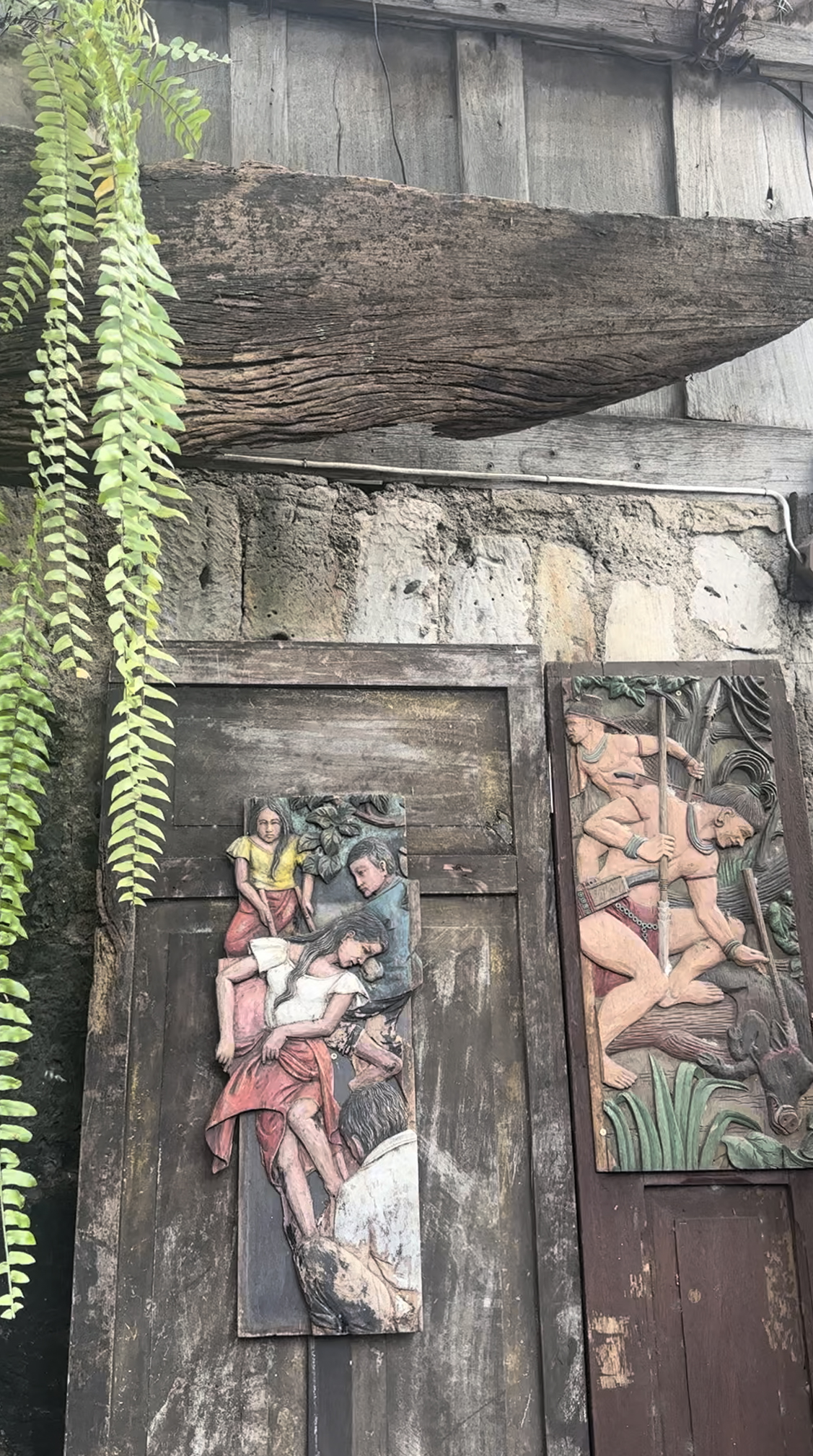
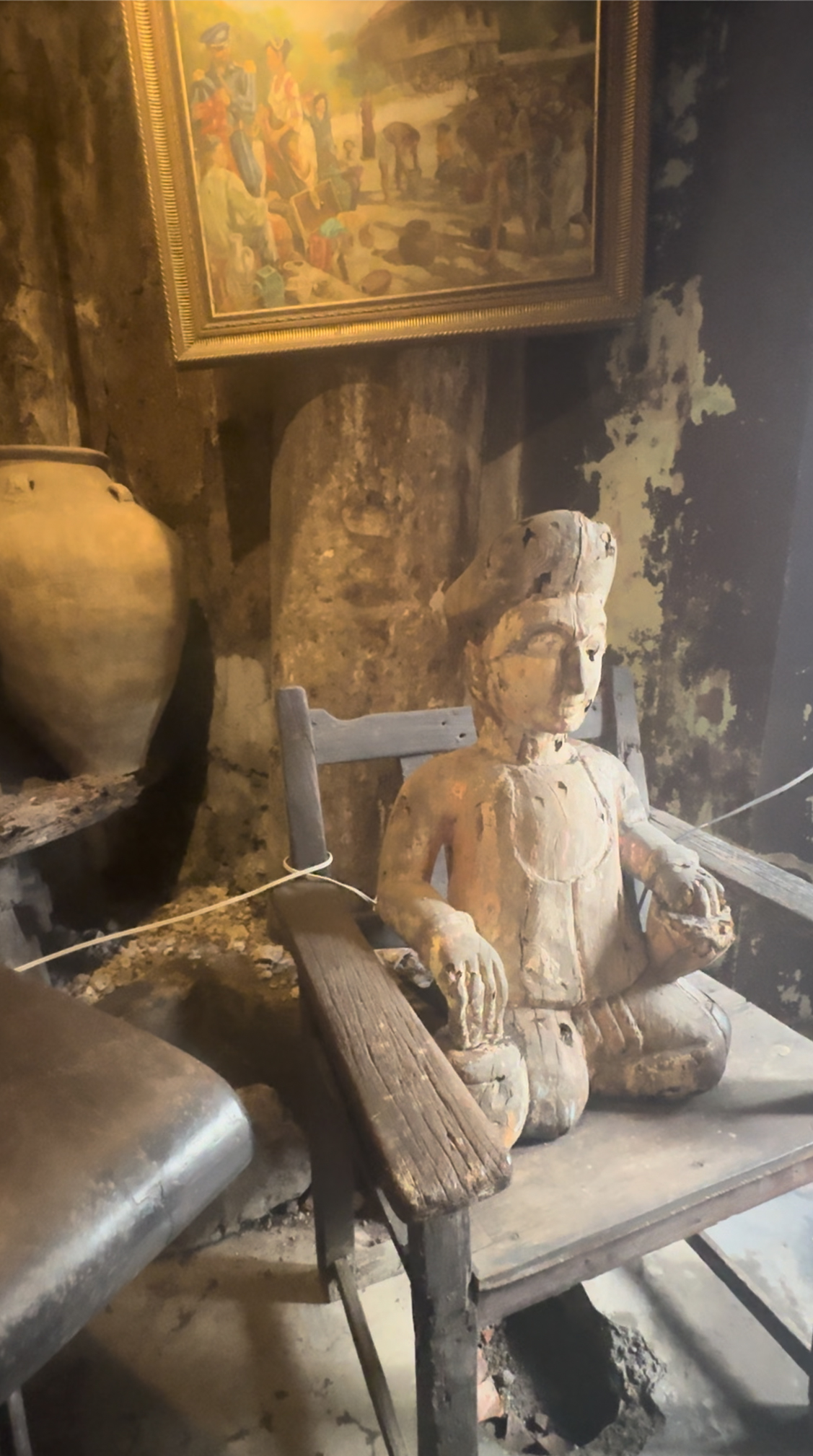
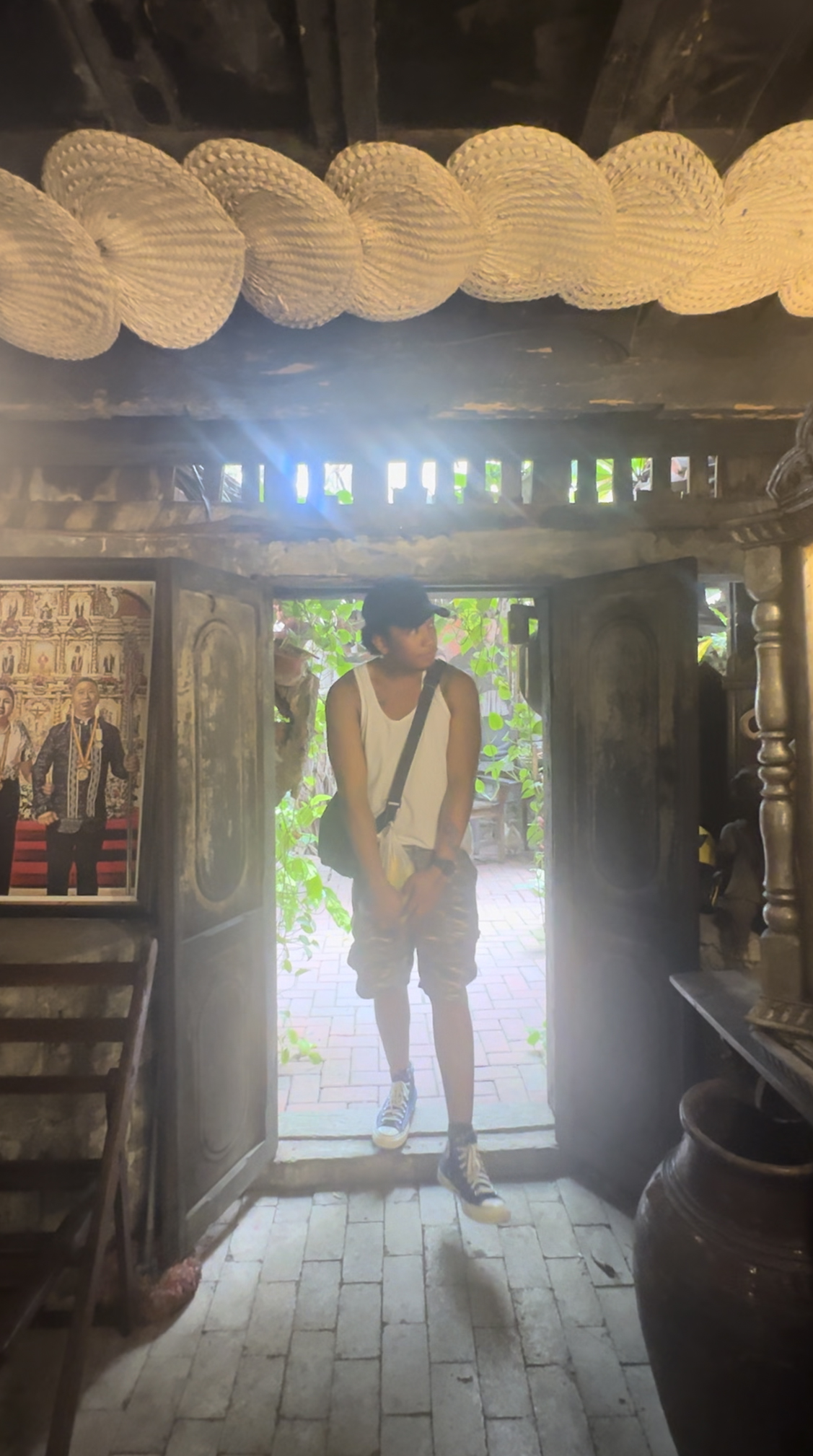
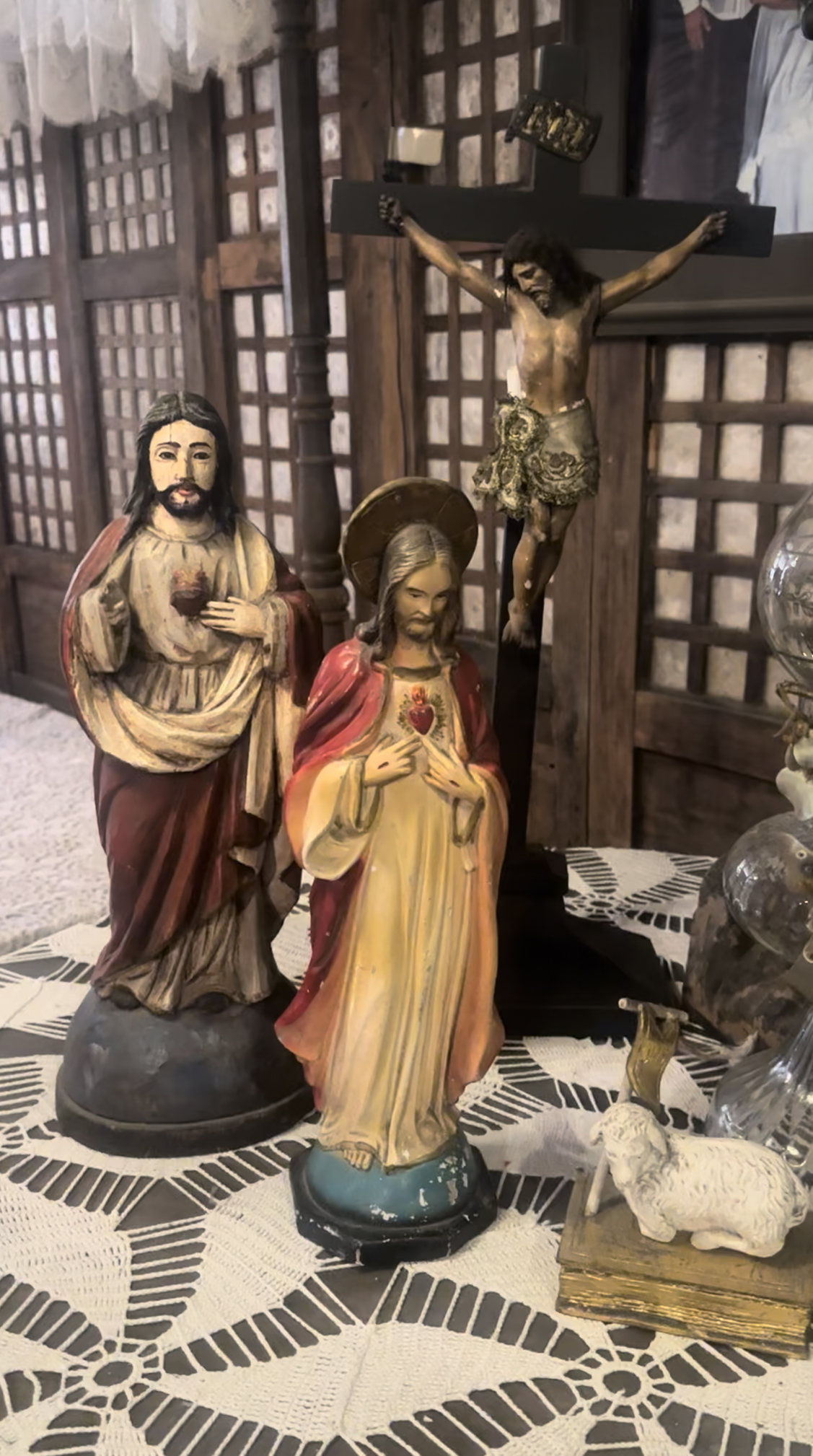
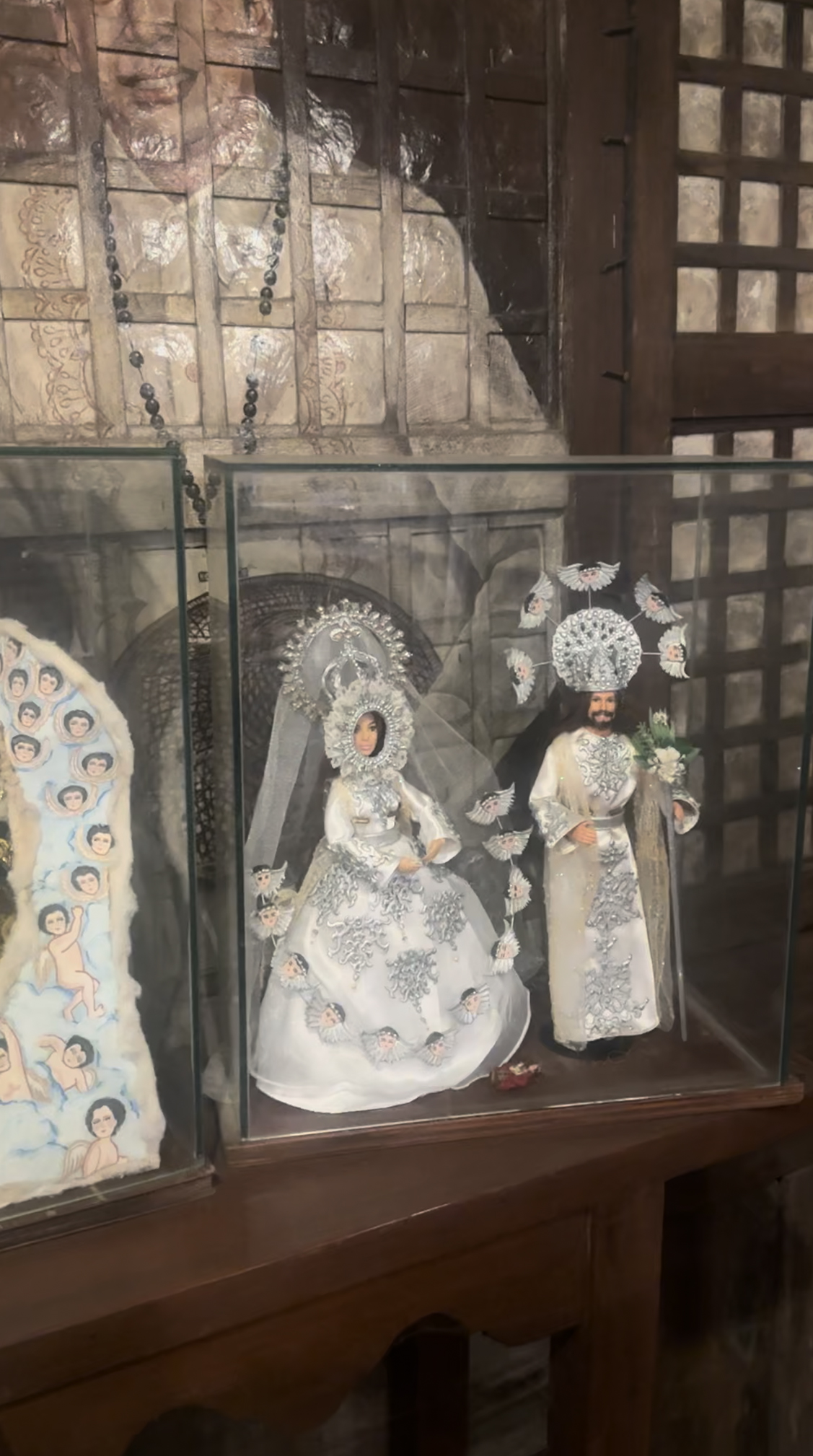
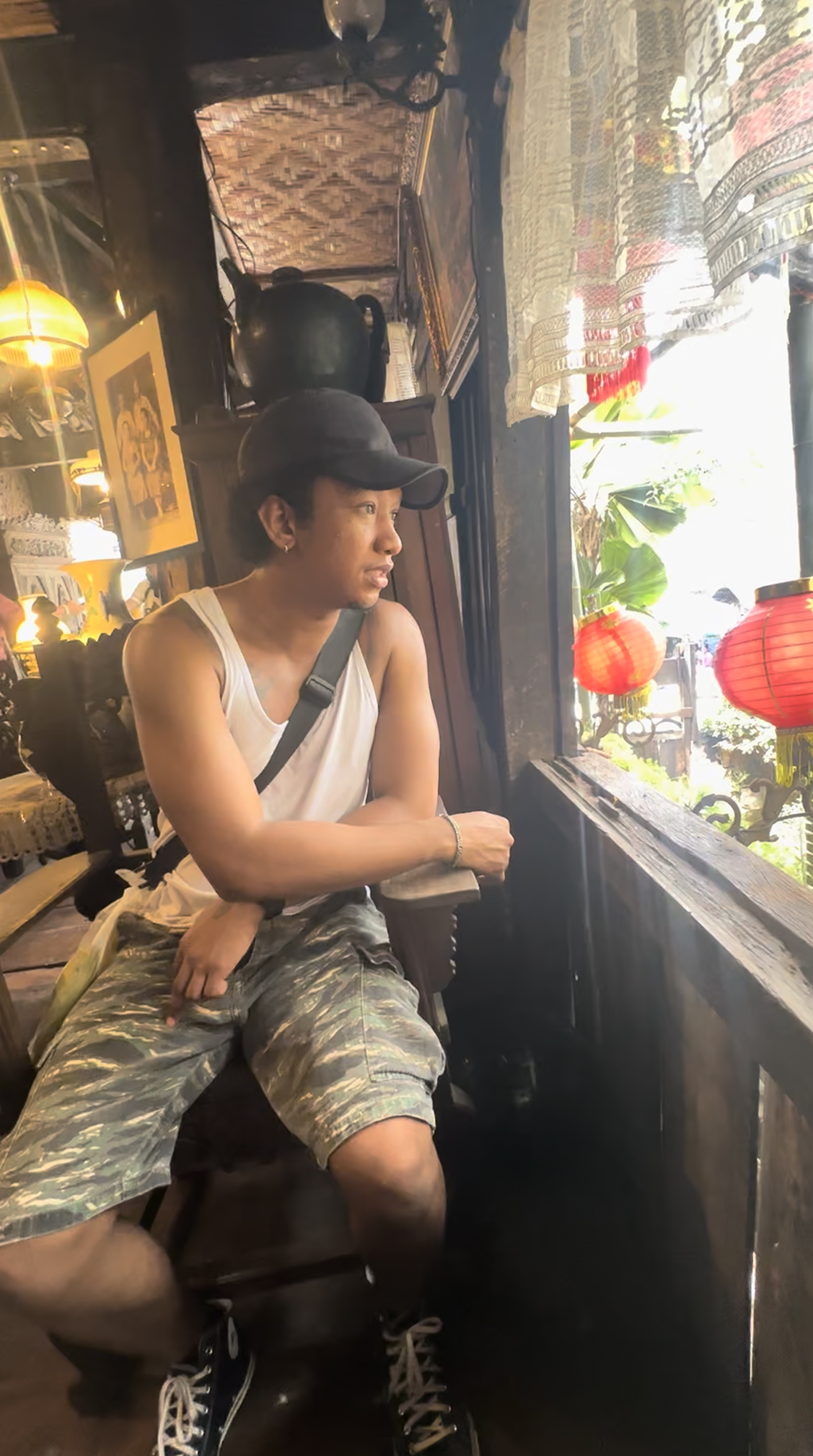
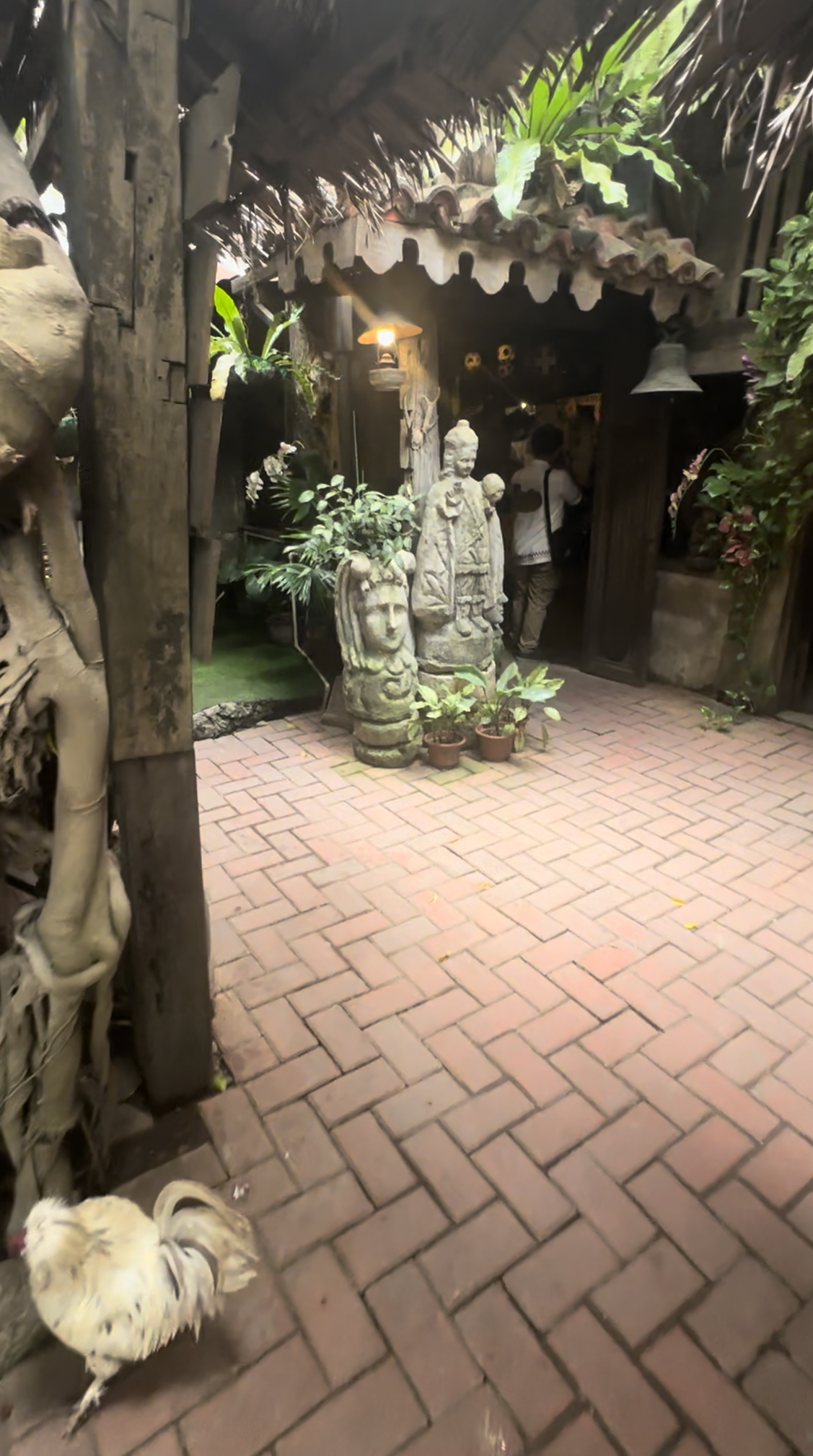
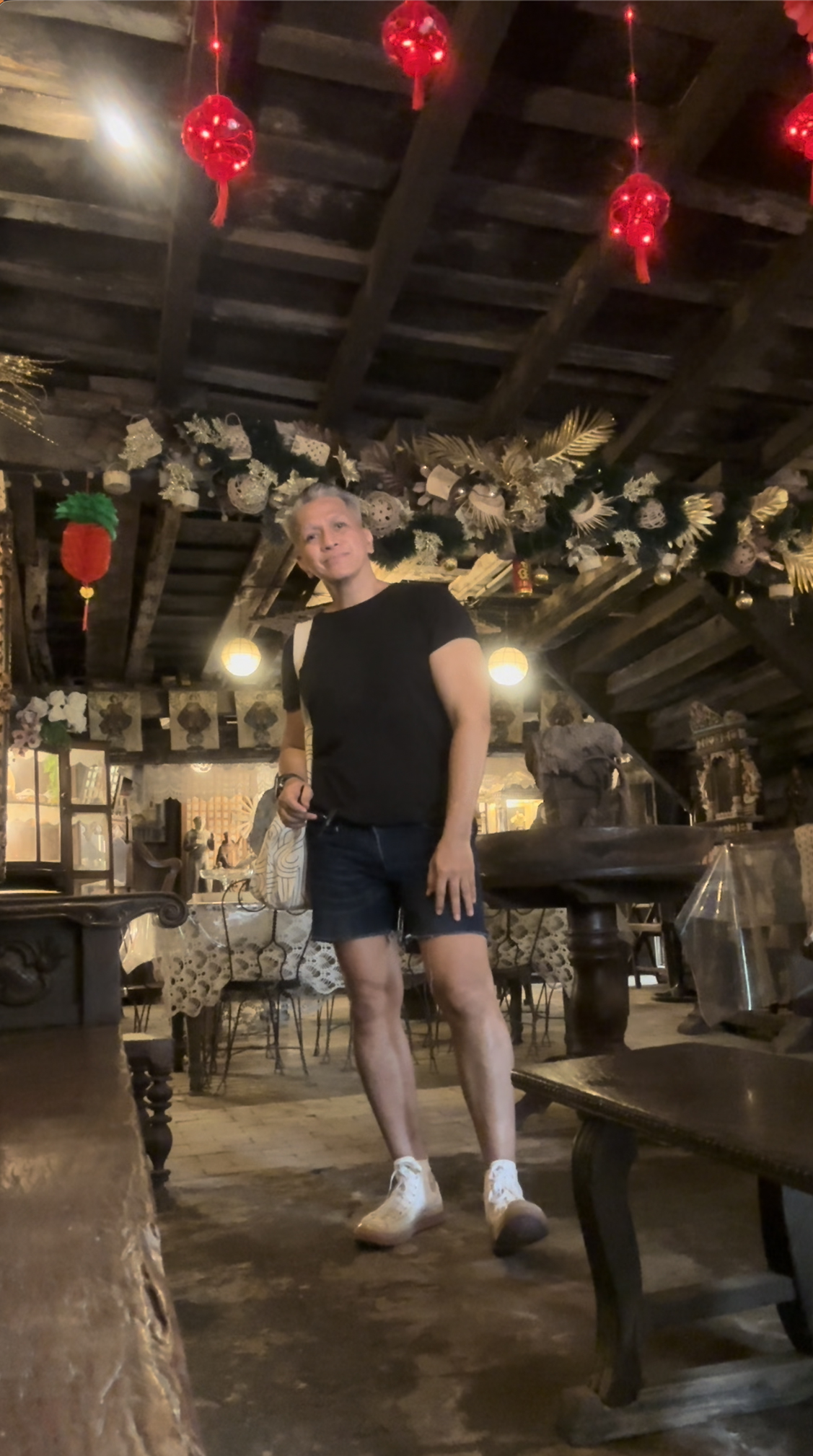
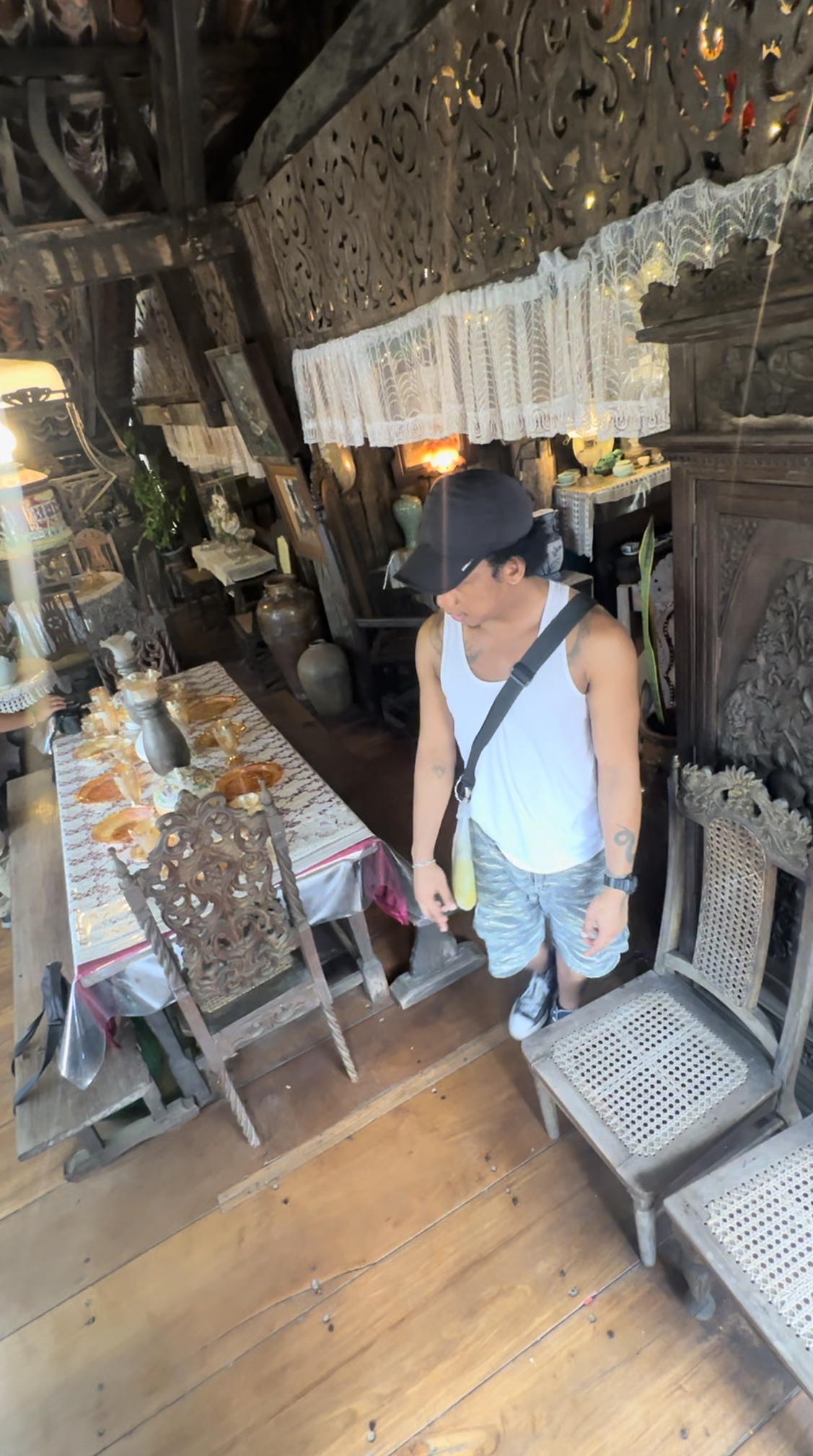
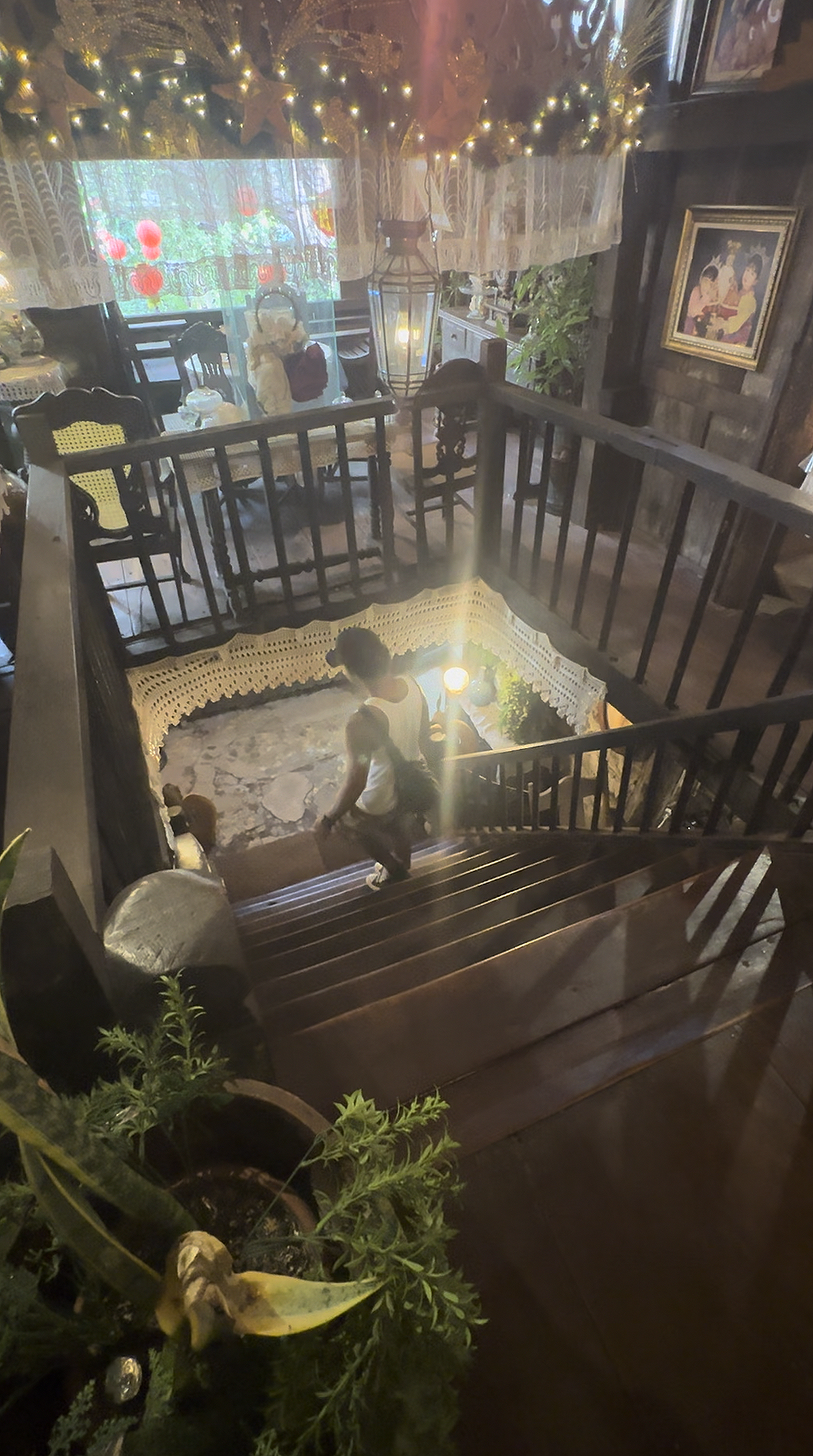
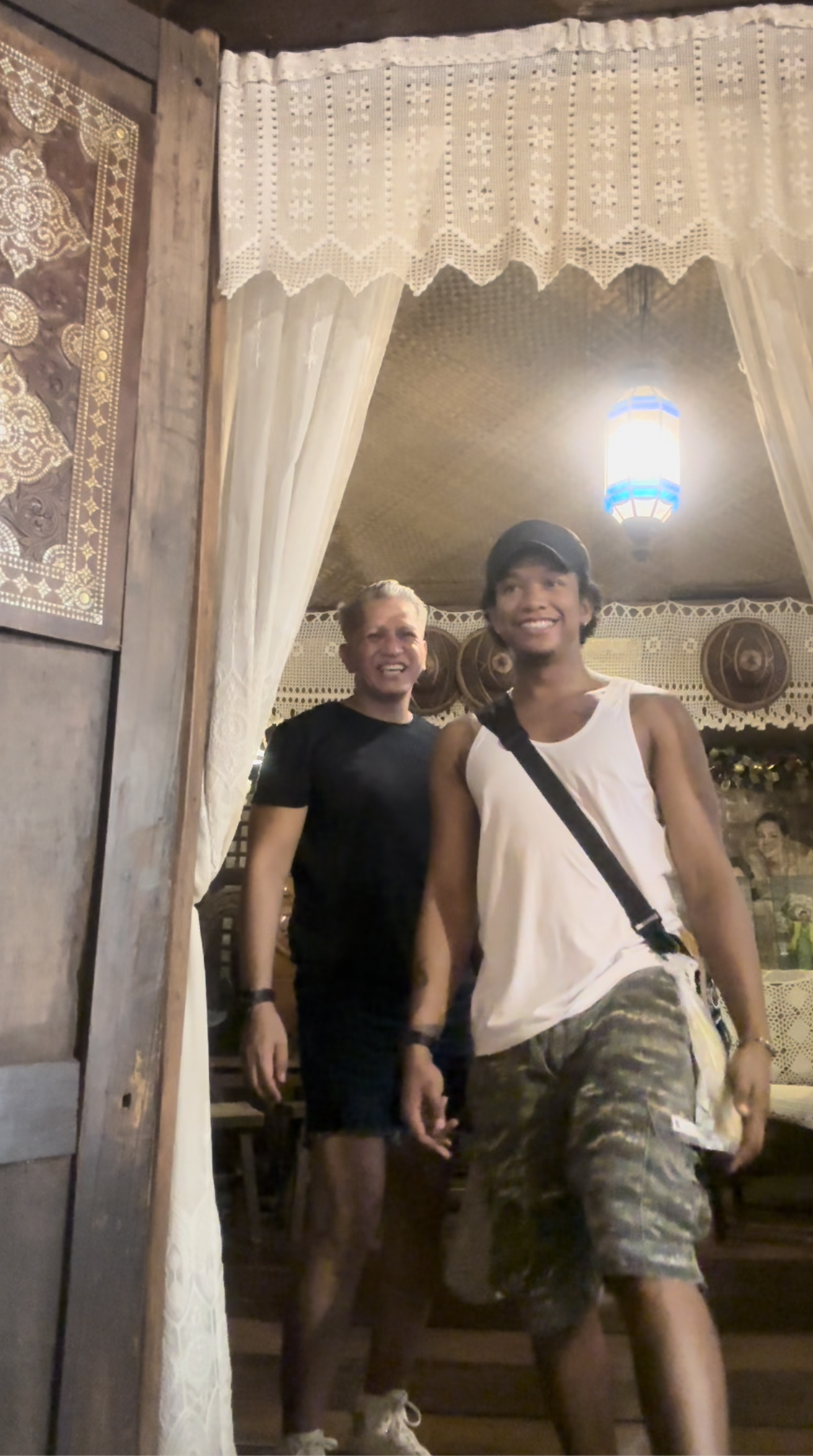
Every time we see venues like this, we’re reminded of the failure of the government to protect everything historical in this country, so that too many of the attractions left are privately-owned and cared for. Check to visit if you’re a history buff or something… even if, after seeing a few na, what’s there could be redundant to you.
But kami, off we go for more LGBTQIA+ discoveries…
The Yap-Sandiego Ancestral House is located at 155 Mabini St., Cebu City.