
































True healthcare extends far beyond the sterile walls of a clinic or hospital. For many, especially within communities historically overlooked or mistreated by the medical establishment, wellness is something actively built and maintained in daily life.
It means creating systems of support, leveraging technology, and making conscious choices that affirm your physical and mental well-being, with or without a doctor’s direct involvement. This proactive approach isn’t just empowering; it’s a necessary strategy for thriving.
Defining Holistic Well-being
When we talk about health, it’s easy to think only of blood pressure, lab results, and prescriptions. But genuine well-being is much broader. It includes your mental and emotional state, the strength of your social connections, and your sense of security and purpose. This disability-inclusive healthcare model means supporting the whole person, not just treating a specific symptom.
For many in the LGBTQ+ community, this involves prioritizing affirming mental health services, finding chosen family for social support, and creating safe spaces where you can be your authentic self without fear. This integrated view recognizes that feeling good is as much about community and emotional safety as it is about physical fitness.
Bridging Gaps in Care Access
Accessing quality medical care can be a significant hurdle. Barriers like transportation issues, high costs, lack of insurance, or fear of discrimination can prevent people from getting the help they need. This is why health equity starts with inclusive healthcare that recognizes and addresses these systemic problems.
Beyond formal medical settings, community-based resources can help fill these gaps. This might look like a local LGBTQ+ center offering free health screenings, a peer support group for mental wellness, or online platforms that connect people with culturally competent providers via telehealth, bringing care directly to you.
Technology Enhances Independence
Technology has become a powerful ally in managing personal health and fostering independence. Health-tracking apps on our phones can monitor everything from sleep patterns to heart rate, giving us data to make better daily choices. Telehealth appointments eliminate the need for travel and allow for more discreet consultations.
For individuals with specific needs, assistive technology is transformative. Devices that aid mobility or communication are essential tools for autonomy. Similarly, advancements in personal medical devices, such as the development of long-lasting rechargeable hearing aid batteries, reduce the daily burden of maintenance and give users greater confidence and freedom in their day-to-day lives without constant worry.
Empowering Daily Health Choices
Your daily habits profoundly impact your overall health. The choices you make about food, movement, and rest are fundamental acts of self-care. This doesn’t mean you need to adopt a rigid diet or an intense workout regimen. Instead, it’s about finding what works for your body and your lifestyle. It could be as simple as incorporating more plant-based meals into your week, finding a form of movement you genuinely enjoy, like dancing or walking with a friend, or establishing a consistent sleep schedule.
Managing stress is also key. Practices like mindfulness, journaling, or setting aside time for hobbies can protect your mental and emotional health from the grind of daily life.
Advocating for Your Health Needs
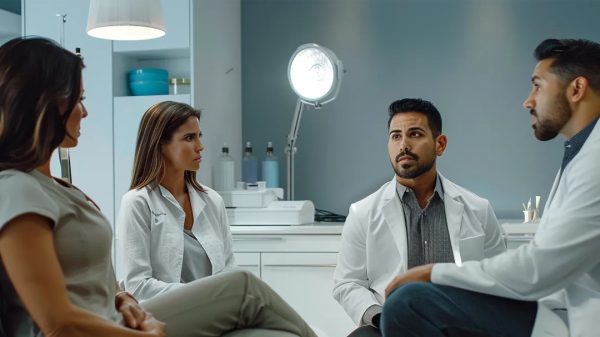
Being your own best advocate is a critical skill, especially when navigating healthcare systems that may not be built with young gay men’s needs in mind. Before an appointment, take a few minutes to write down your questions and concerns. During the visit, don’t be afraid to ask for clarification if you don’t understand something, or to speak up if you feel dismissed. If a provider is not a good fit, you have the right to seek a second opinion or find someone else who provides affirming care.
Remember that you are the expert on your own body and experience. Your voice matters, and asserting it is a vital part of ensuring you receive the respectful and effective care you deserve.
Taking an active role in your well-being puts the power back in your hands. Focusing on these different areas of health helps you build a resilient and affirming life that supports you completely.