





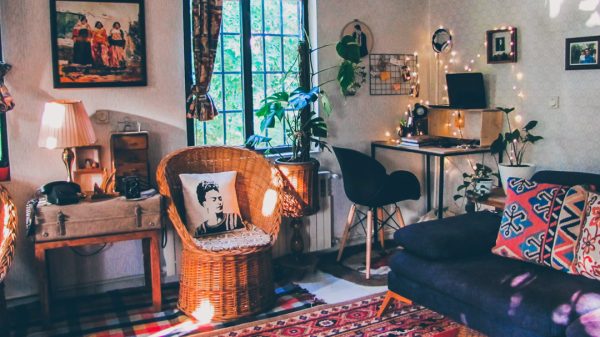



























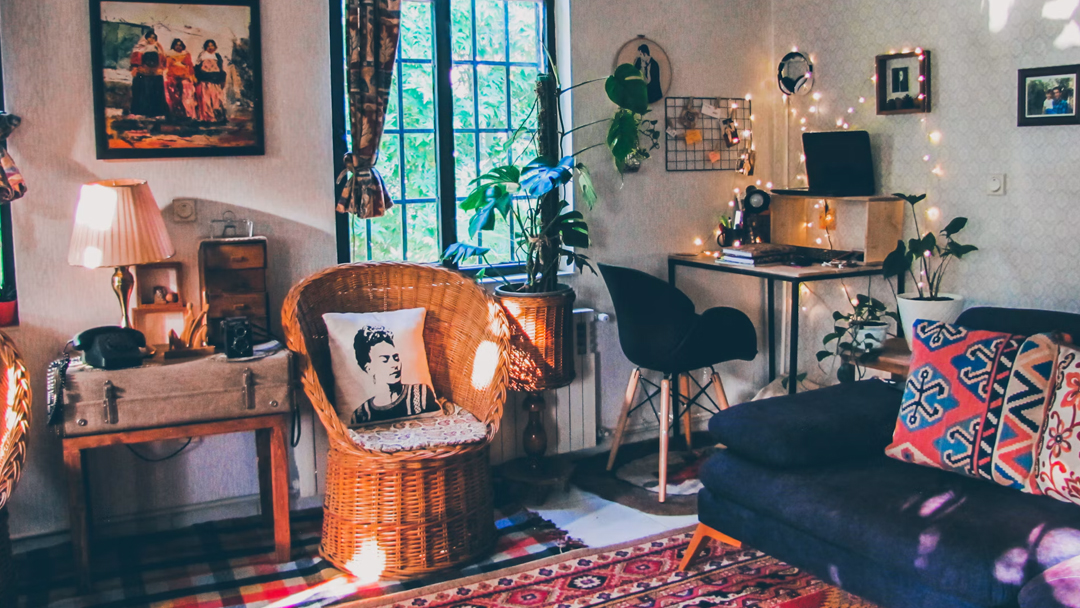
Small spaces respond especially well to thoughtful upgrades because every visible detail carries more weight. A new finish, a better light source, or a cleaner wall plate can influence the entire room without taking up valuable floor space. The key is to concentrate on features you see and use every day.
These practical changes work in apartments, compact homes, and individual rooms where a major renovation would cost too much or create unnecessary disruption.
Focus on Daily Touchpoints
Start with the handles, knobs, faucets, and controls you touch most often. Replacing worn cabinet pulls in a small kitchen can make the whole space feel cared for, while a new entryway hook rail brings order to bags and jackets. Simple home upgrades that improve everyday living can be especially effective when existing fixtures feel loose, scratched, or visually dated.
Before shopping, list each item you plan to replace and measure the distance between screw holes. Matching the existing dimensions saves you from drilling new holes or repairing old ones. In a rental, keep the original hardware in labeled bags so it’s easy to reinstall later.
Replace Builder-Grade Wall Controls
Plain plastic controls tend to stand out once you’ve improved the paint, furniture, and lighting. Upgrading these fittings gives the walls a more finished appearance and can introduce a subtle decorative detail without adding clutter.
For a warm, traditional finish, consider light switches and sockets in antique brass alongside similar cabinet or door hardware. Keep the finish consistent within each connected area, particularly in open-plan rooms where several controls are visible at once.
Electrical fittings must suit the property’s wiring and local requirements. Have a qualified electrician handle installation, and ask for confirmation that the chosen products are compatible before ordering. This small project can often be completed room by room, which makes the cost easier to manage.
Layer Lighting for Warm Ambience
A single ceiling fixture often creates harsh shadows and leaves corners looking dull. Use three levels of light instead: general illumination overhead, focused light near work areas, and softer accent lighting for atmosphere. In a studio apartment, that could mean a compact ceiling light, an adjustable lamp beside the sofa, and a small table lamp on a shelf.
Combining overhead fixtures, lamps and natural light can also help create different moods throughout a home, especially when each source serves a different purpose. Choose bulbs with the same color temperature so the room feels visually settled. Warm white bulbs around 2700K suit living rooms and bedrooms, while 3000K can provide clearer task lighting in kitchens.
Plug-in lamps and wall lights are useful when hardwiring isn’t practical. Put them on dimmers or smart plugs to adjust the mood without filling the room with extra fixtures.
Choose Cohesive Metallic Finishes
Metal finishes look more intentional when they follow a simple plan. Pick one dominant finish for repeated elements such as handles, controls, and hooks, then use a second finish in one or two places. For example, antique brass can lead while black appears on a lamp frame and a slim picture frame.
A quick photo inventory will reveal finishes you may overlook, including curtain rods, furniture legs, and appliance details. Even small interior changes can make a noticeable difference when the updates repeat across several visible surfaces.
Exact matches aren’t always necessary. Slight variations can feel natural if they share a similar undertone and sheen. Problems usually arise when polished, brushed, and aged finishes compete across several nearby surfaces.
The strongest finishing touch is repetition. If a warm metal appears at the entrance, on a wall, and again on a cabinet handle, the eye reads those details as part of one clear design. That quiet connection can make even the smallest room feel polished and complete.