
































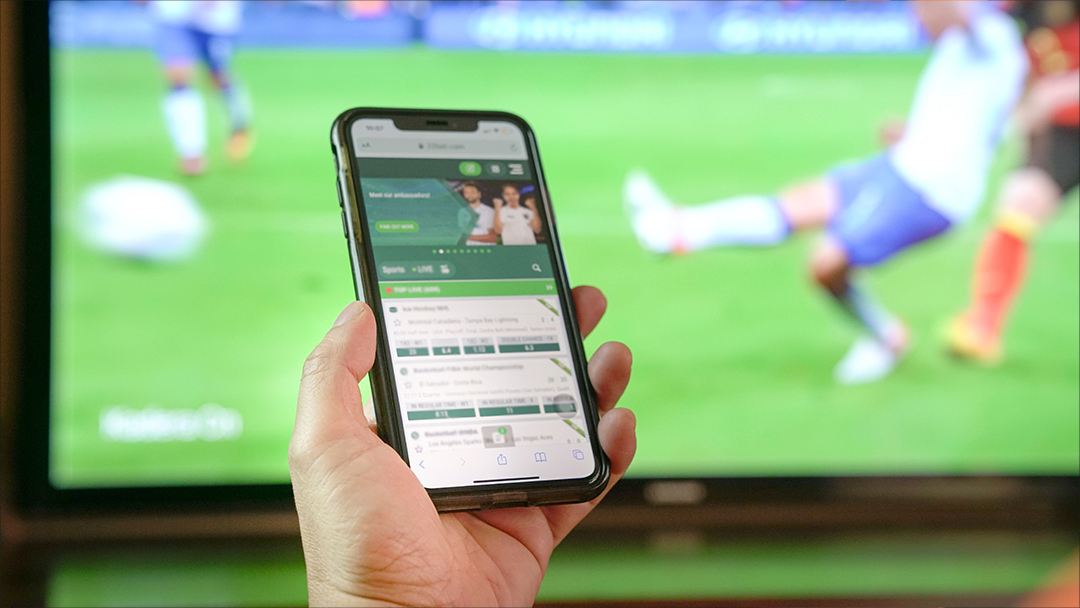
You can use most sportsbooks perfectly well in a mobile browser, so installing an app can seem unnecessary at first. After using the same platform regularly, though, the difference starts to show. A browser is fine when you want to check one match and leave. An app makes more sense when you are opening the sportsbook several times during the day, moving between games or checking something quickly while the match is already on. It is less about having extra features and more about removing a few annoying steps every time you come back.
You stop starting from the beginning every time
Opening a sportsbook in a browser often means finding the tab again, refreshing the page and navigating back to whatever competition you were looking at earlier. None of that is difficult, but doing it repeatedly gets old. An app can keep the sports you use most close by and make the account feel more familiar after a few visits. That matters on a busy football day. You might check one game before kickoff, return later for another, then open the app again in the evening to look at something completely different. Having the same navigation and account tools sitting where you left them saves more time than it sounds like it should.
Android gives people another way to get the app
Android is also less rigid about installation than some other mobile platforms. Google Play is still where most people get their apps, but APK files allow software to be installed directly when an operator provides that option. Someone searching for where to download Betway app APK, for example, may be looking for the official Android version offered directly by Betway rather than an app-store listing. In that situation, the source matters far more than the file format. An APK from the operator itself is one thing; an old copy sitting on an unknown download site is another. Direct installation is useful, but there is no good reason to take chances with unofficial files.
Live matches are where the app earns its place
Sports betting becomes more awkward on a small screen when several things are happening at once. Odds are moving, one market closes, another opens and you may want to jump from football to tennis without losing track of an open bet. A good app handles that better simply because it was built around the phone. Menus can sit closer to the thumb, open bets can stay within easy reach and the live section does not have to behave like a desktop website squeezed into a narrow display. When the match is already moving, those small differences become much easier to notice.
Notifications can save a lot of unnecessary checking
The other obvious advantage is that an app can tell you something happened without making you open it every few minutes. Match reminders and account updates can be handy when they are used sparingly. The problem starts when every event, offer and competition suddenly deserves an alert. The better setup is usually the one you barely notice. Keep the notifications you care about, turn off the rest and open the app when there is a reason to.
The browser still has its place
Not everybody needs another app on their phone. If a sportsbook is used occasionally, the browser may be all that is needed. There is nothing particularly inconvenient about opening a site once every couple of weeks.
The calculation changes for someone who uses the same sportsbook regularly. At that point, having it sitting on the phone, already logged in and arranged for a smaller screen can be genuinely useful. It is not a dramatic change, but after enough visits, going back through the browser can start to feel like taking the longer route for no particular reason.