










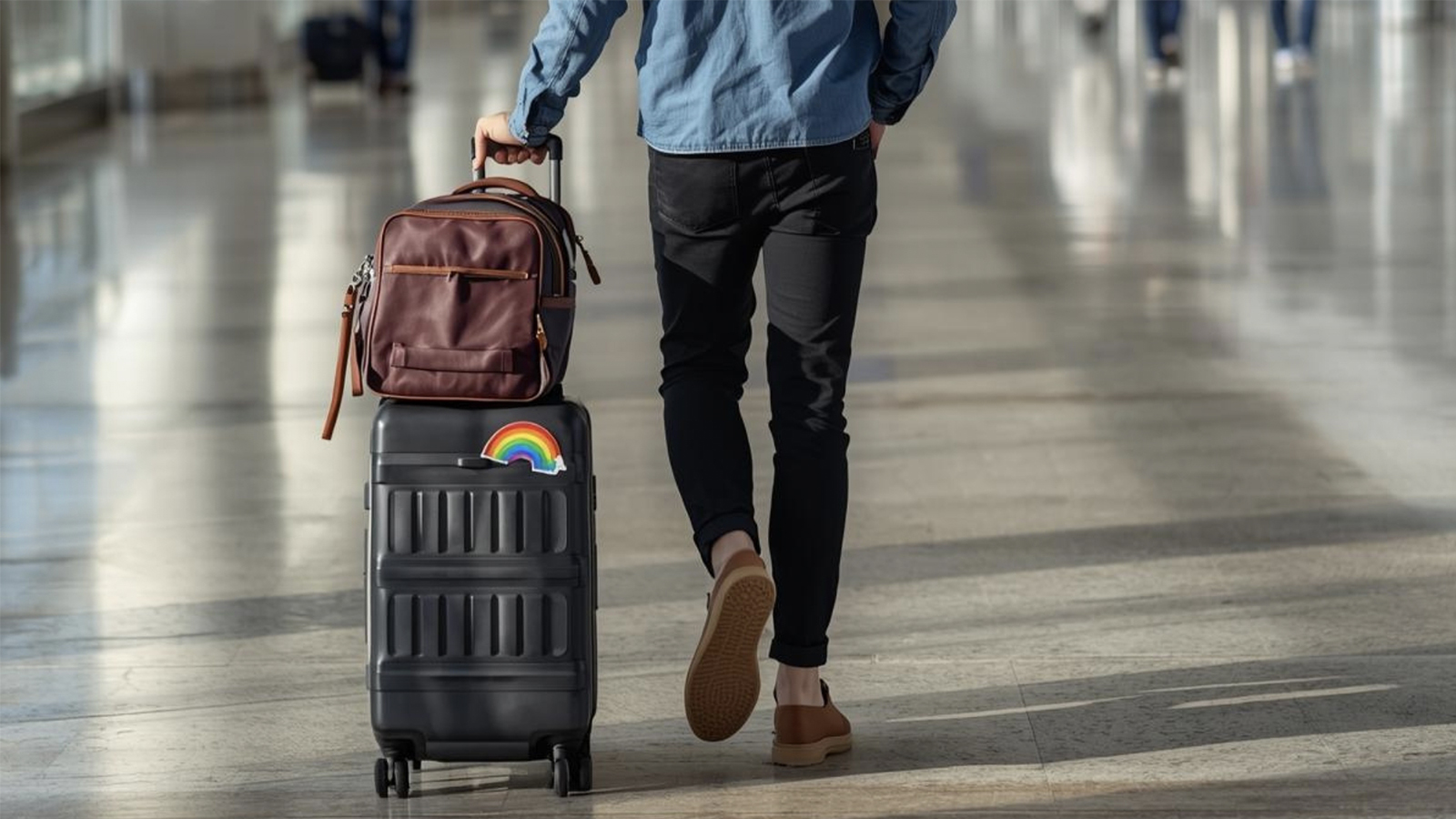
There is a moment that every queer traveller knows intimately. It happens right before you book the flight. It’s that split-second hesitation where the excitement of a new adventure clashes with the pragmatic, survivalist instinct that we’ve all honed since coming out. You freeze, you open a new tab, and you Google: “Is [Destination] safe for gay people?”
It is a ritual that our straight counterparts rarely have to perform. For them, travel is about budget, weather, and Instagram angles. For us, it’s a geopolitical risk assessment.
Yet, despite the hurdles, the anxiety, and the ever-shifting landscape of global rights, we continue to pack our bags. In fact, queer travel is booming. But in this modern age, the act of travelling while queer has evolved. It’s no longer just about finding a beach where you won’t get stared at; it’s about claiming space, supporting our own, and understanding that our tourist dollars are a political weapon.
The Myth of the “Pink Dollar”
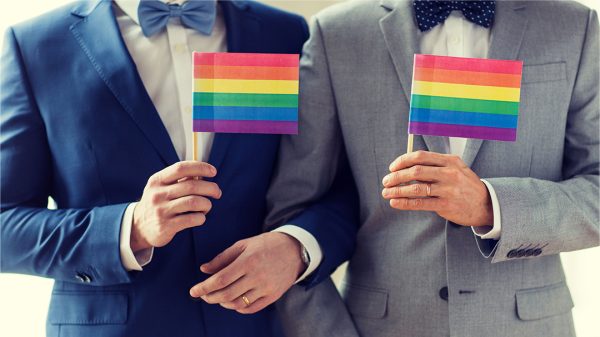
For decades, the travel industry has courted the “Pink Dollar” with the subtlety of a sledgehammer. They slapped a rainbow flag on a hotel logo during Pride Month, offered a “same-sex honeymoon package” (which was usually just the regular package with two grooms on the brochure), and expected us to come running.
But we’ve wised up. We know the difference between being tolerated and being celebrated.
We’ve realised that spending our money in destinations that actively legislate against us is a losing game. It’s like walking into a casino where you know the table is rigged. You might have a good time for an hour, you might enjoy the free drinks, but ultimately, you’re funding the house that wants you to lose – and make no mistake, the house does want you to leave. Casino networks didn’t get as big as they’ve become in recent years by giving money away. You stay ahead of them by finding out about the casino before you lay any money down, and it’s become essential to do the same thing with travel.
Why support a resort chain owned by a donor to anti-trans legislation? Why visit a country that imprisons our siblings, just because the beaches are pretty? We’re learning to check the ownership, check the laws, and vote with our wallets. The “Pink Dollar” isn’t just disposable income anymore; it’s leverage.
The Rise of the “Safe Haven” City
This shift has led to the rise of what we’re calling “Safe Haven” tourism. We aren’t just flocking to the usual suspects like Mykonos or San Francisco anymore. We’re looking for pockets of resistance and joy in unexpected places.
Take Taipei, for instance. Since Taiwan legalised same-sex marriage, the city has transformed into a beacon for queer Asia. It’s not just about the nightlife (though the clubs are legendary); it’s about the feeling of walking down the street holding hands without that prickle of fear on the back of your neck. It’s about seeing queer couples living mundane, happy lives.
Or look at Puerto Vallarta in Mexico. It’s evolved from a quiet getaway into a roaring hub of LGBTQ+ culture, not because corporate chains took over, but because the local community built it, brick by brick. These are places where we aren’t just tourists; we’re guests of a family we haven’t met yet.
The “Double Life” of Travel
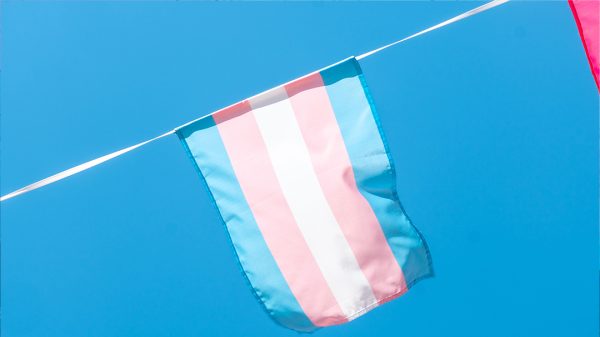
However, we have to acknowledge the privilege inherent in this conversation. For many in our community, especially trans and gender-non-conforming folks, travel remains a minefield.
Passing through airport security can be a degrading ordeal. Navigating countries with strict gender binaries requires a level of mental gymnastics that can be exhausting. There is a “Double Life” aspect to queer travel that doesn’t get talked about enough in glossy brochures.
It’s the subtle code-switching we do. It’s deepening your voice when talking to the taxi driver. It’s booking a room with “Twin Beds” just to avoid an awkward conversation at check-in, even if you push them together the second you get inside. It’s the constant scanning of the room to see if it’s safe to be yourself.
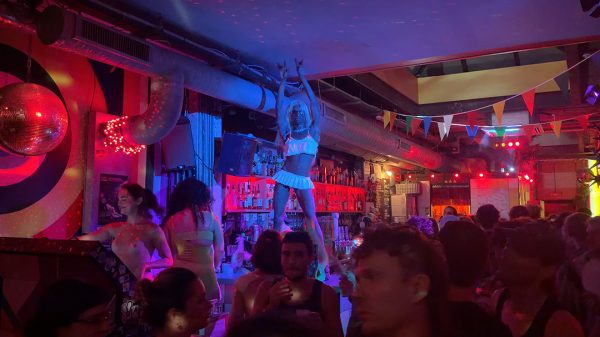
This resilience is what makes the queer travel experience so profound. When we do find those moments of freedom – whether it’s dancing shirtless at a circuit party in Barcelona or just having a quiet coffee in a queer-owned bookshop in Berlin – the joy is sweeter because we know the cost of admission.
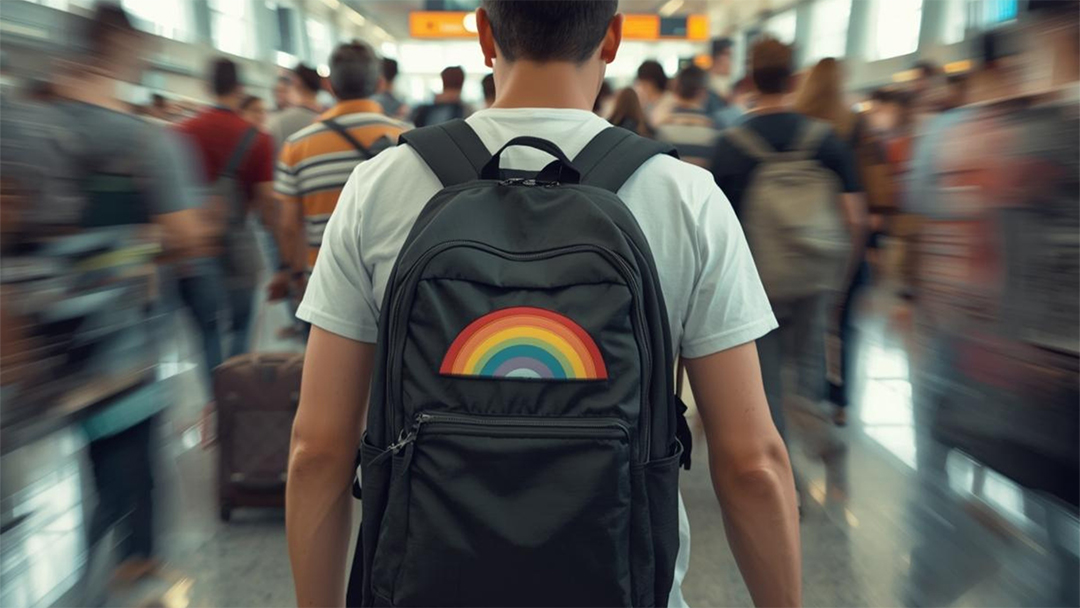
Supporting “For Us, By Us”
The most exciting trend right now is the explosion of queer-owned travel infrastructure. We aren’t just relying on allies anymore; we’re building the hotels, the tour companies, and the retreats ourselves.
There is a unique magic in staying at a B&B owned by a lesbian couple who get it. You don’t have to explain why you need a certain level of privacy. You don’t have to worry about the staff misgendering you. You can just breathe.
This is where the real “Rainbow Passport” exists. It’s the network of whispers and recommendations passed between us. “Go to this bar, ask for Maria.” “Stay at this hostel, it’s safe.” It’s an underground railroad of fun, guiding us toward experiences that affirm our existence rather than questioning it.
The Responsibility of the Traveller
So, what does it mean to be a responsible queer traveller today?
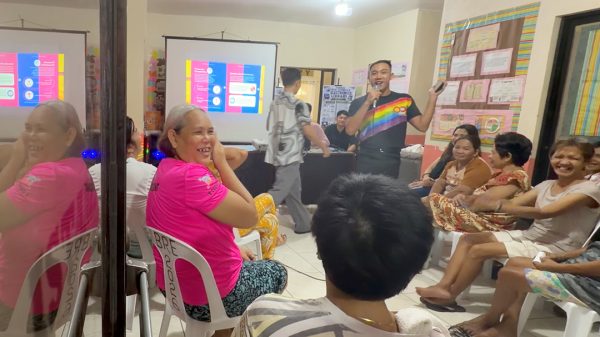
It means doing your homework. Before you book, look up the local laws. But go deeper – look up the local queer organizations. Can you visit their community centre? Can you buy art from local queer artists? Can you eat at restaurants that hire trans staff?
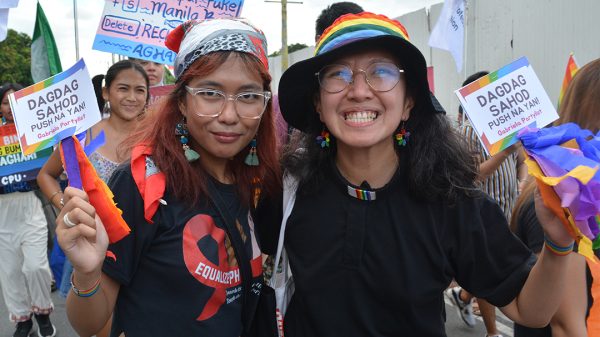
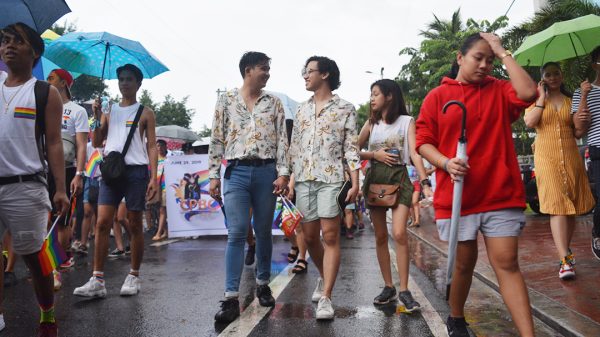
It means being visible where it is safe to do so, and respectful of local struggles where it is not. Sometimes, just being a happy, healthy queer person in a conservative space is a radical act. You’re showing the locals that we exist, that we are human, and that we aren’t the monsters their media portrays.
But it also means knowing when to pull back. We are visitors, not martyrs. We shouldn’t put locals in danger by demanding they conform to our Western standards of visibility if it puts a target on their backs.
The World is (Slowly) Opening
The world is still a scary place. We watch the news, we see the backlash, and it’s easy to want to retreat into our bubbles. It’s easy to say, “I’ll just stay home where I’m safe.”
But we shouldn’t.
Travel is the antidote to prejudice. It expands our horizons, yes, but it also expands the horizons of the people we meet. Every time we travel, we occupy space that history tried to deny us. Every stamp in our passport is a small victory against the idea that we should be hidden.
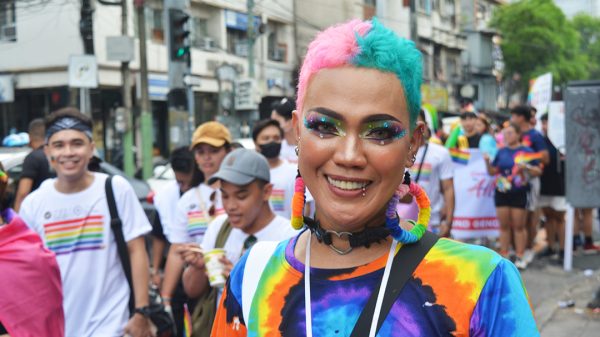
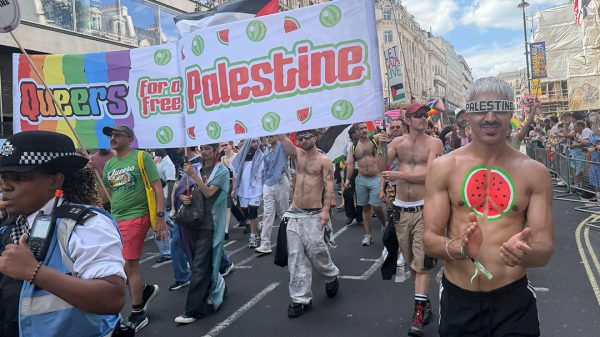
So book the ticket. Go to the Pride parade in a city you’ve never heard of. Support the drag brunch in the small town. Find the joy in the journey. The world is big, and messy, and beautiful, and it belongs to us just as much as anyone else.