



























This is part of #KaraniwangLGBTQIA, which Outrage Magazine officially launched on July 26, 2015 to offer vignettes of LGBTQIA+ people/living, particularly in the Philippines, to give so-called “everyday people” – in this case, the common LGBTQIA+ people – that chance to share their stories.
As Outrage Magazine editor Michael David C. Tan says: “All our stories are valid – not just the stories of the ‘big shots’. And it’s high time we start telling all our stories.”
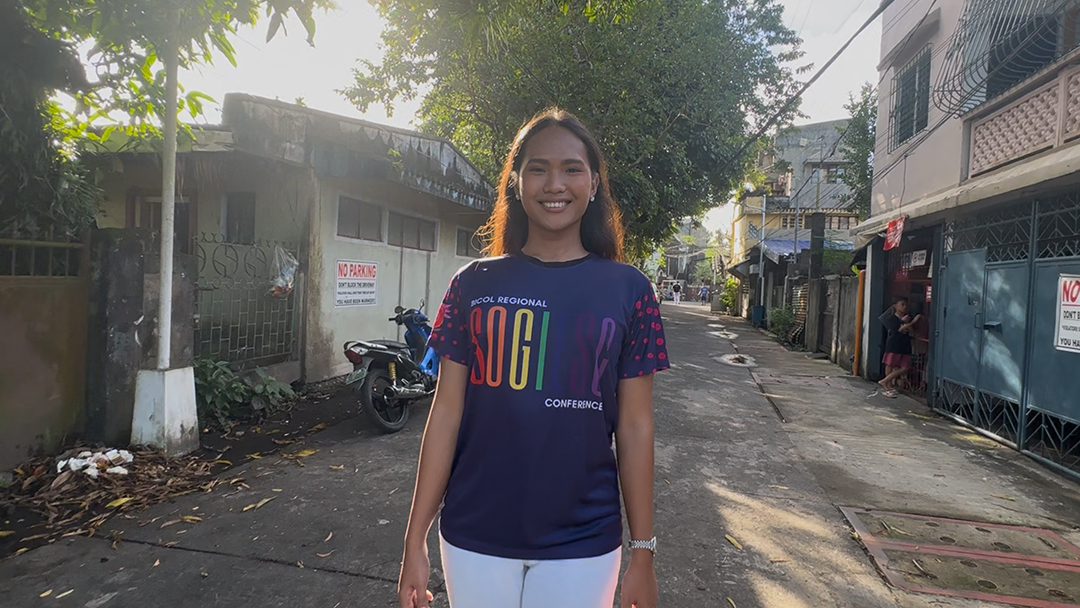
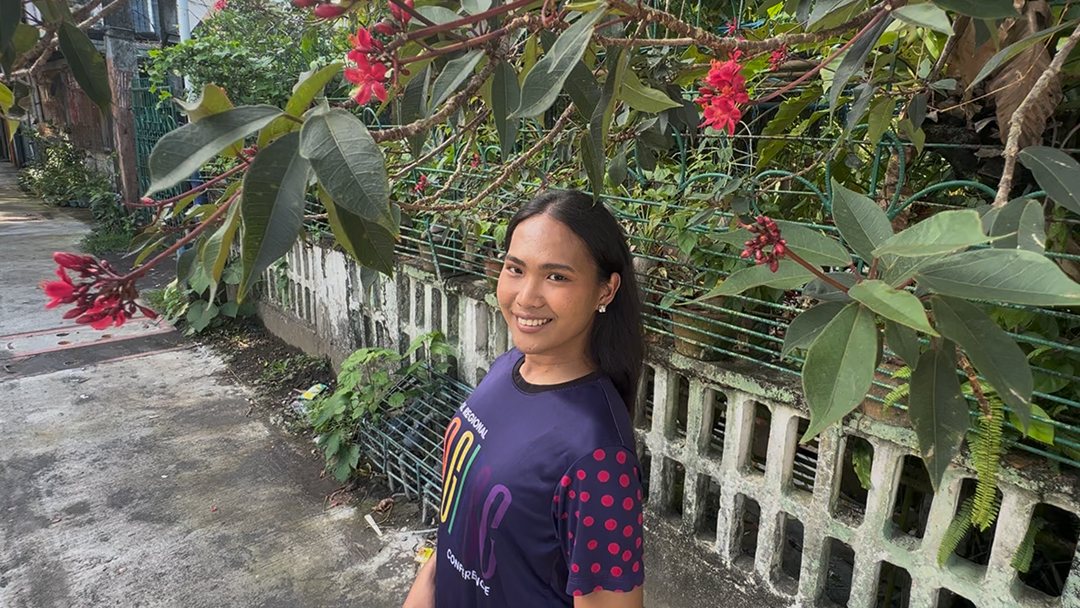
Twenty-six year-old Jade Holen – originally from Rapu-Rapu, Albay and is now based in Legazpi City – initially identified as gay or bakla. Not because she’s one; instead, until she attended a lecture on SOGIESC, the transgender terminology was foreign to her.
“I identified as trans after learning about SOGIESC 101. Prior to that, the term ‘transgender’ was alien to me, so I identified as gay or bakla,” Jade said in the vernacular.
Being trans
Transitioning for Jade started in college, at first internally as she learned to accept and celebrate herself, and then eventually socially and medically.
“I think I’ve been transitioning internally for a while, though the concept, the terms used may have been different. But my social transitioning, I think that began when I was in fourth year in college, around 2018-2019. And then the medical transitioning started in 2021, I think, during the pandemic,” Jade recalled.
Dealing with community responses
The eldest of two kids, Jade did not come out to her family… at least not in the Hollywood kind of way.
“I didn’t have a coming out moment. But I think they knew for quite some time because I always presented myself in a feminine way even at a young age,” she said.
And while her family may have been accepting of her, Jade still experienced discrimination.
“I have experienced many microaggressions. In school. In the community. Being taunted. The name-calling,” she said, adding that the worst discriminatory experience may have been when the HR head of a company blatantly told her they do not hire LGBTQIA+ people. This despite her qualifications – e.g. she finished AB Sociology from Bicol University, gained Certificate of Professional Teaching that qualifies her to take the licensure exam to be a licensed teacher, and has masteral units.
Finding love
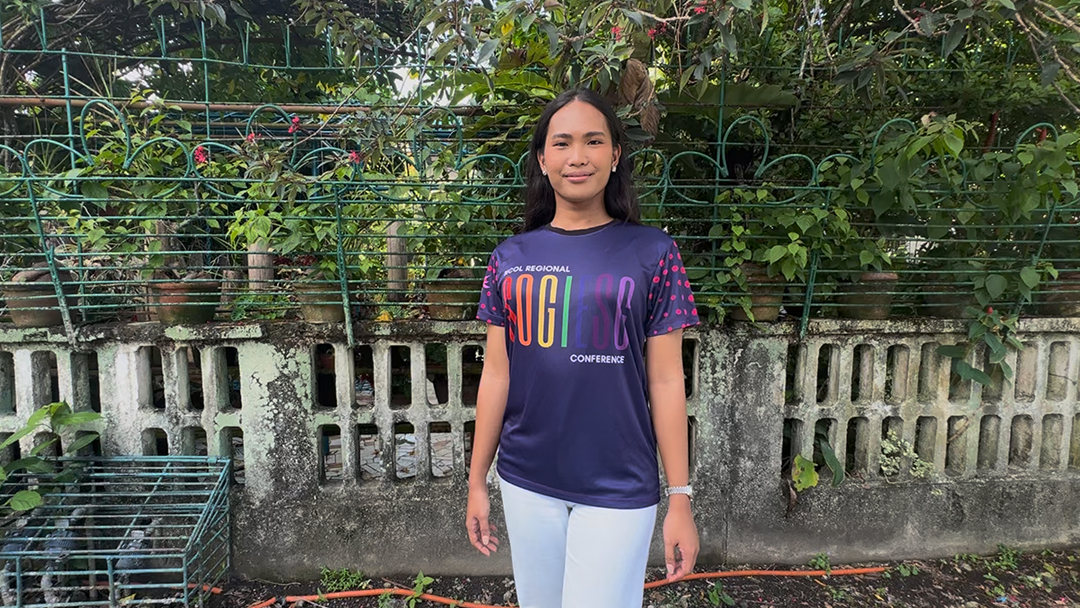
Dating is difficult for LGBTQIA+ people, more so for transgender people, said Jade. But this does not mean that real and lasting relationships don’t exist.
“Dating is, sometimes, very daunting. At times you don’t know the intentions of the other person. There are also a lot of chasers, those who will just objectify you, just use you for sexual fantasies,” Jade said.
This is not to say, she added, that finding love is futile since “I’m happy I know a lot who have flourishing relationships.”
Learning lessons
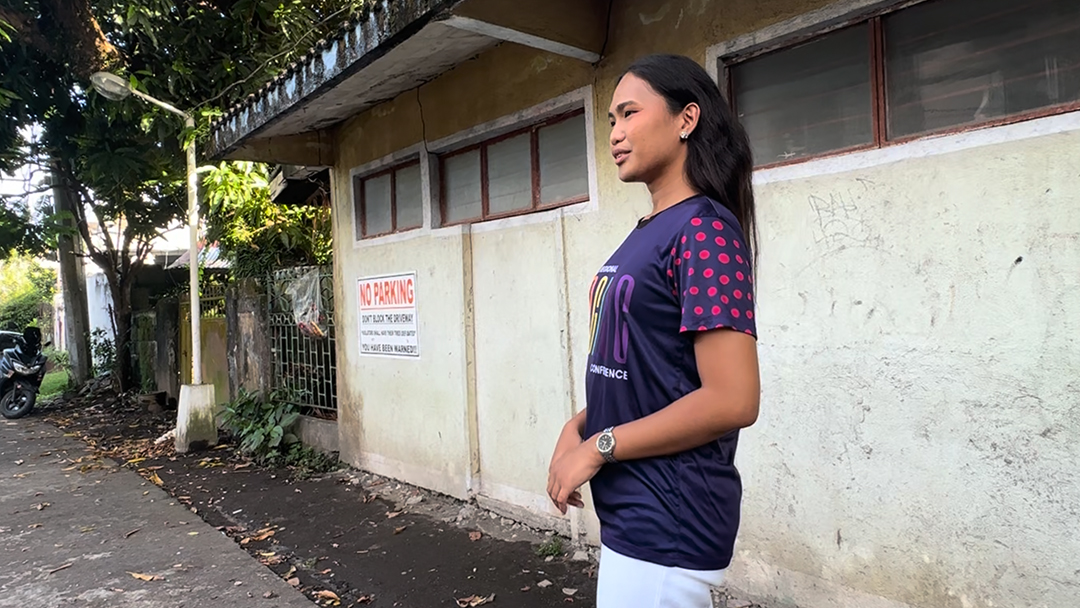
For Jade, the LGBTQIA+ community may be able to claim wins in the fight for equality, but there is still a lot of work to do.
“Many still experience discrimination, especially LGBTQIA+ people. My message is for us to look at each other as kapuwa (fellowmen). We need to strengthen this concept because we’re all humans. And we have human rights. And we all should enjoy this, and should protect this.,” Jade said.
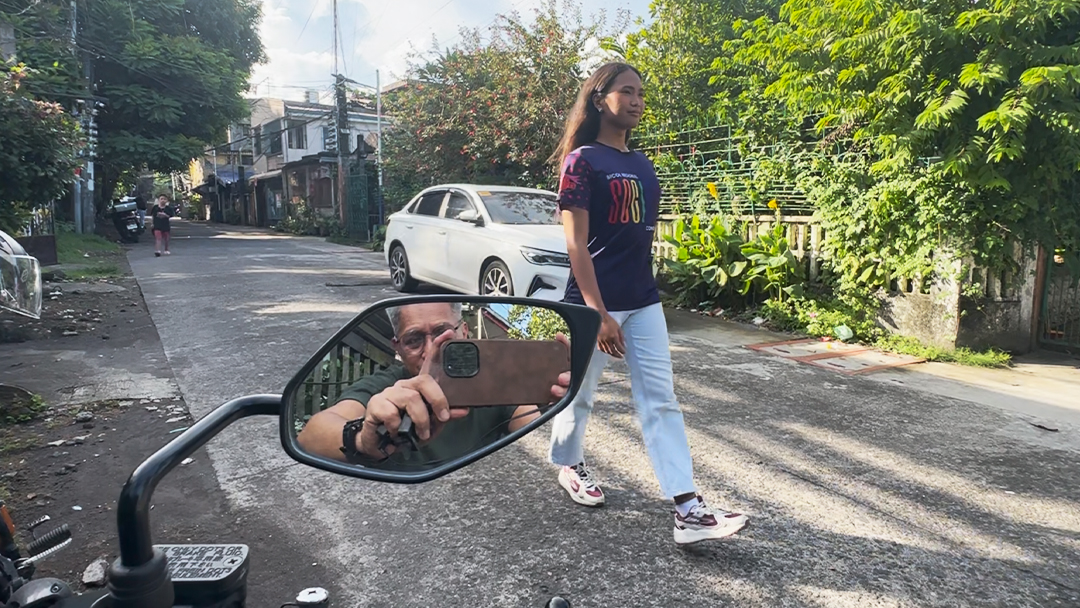
Transgender people – women in particular – need to be more self-aware, said Jade, to deal with their own issues. Because in the end, transgender women can, and should, build its own community of care and support.
“Young transgender women have the tendency to self-medicate. It’s important that we turn to advocates, to our sisters, who can refer us to services,” Jade said. Also, in the absence of a national law protecting the human rights of LGBTQIA+ people, “it is important for us to build communities because we are in-charge of building the community of care and support for each other.”