












By Kate Montecarlo Cordova
Founder and Chairwoman
Association of Transgender People in the Philippines
In a world that still teaches children to fear who they might become, one parent quietly chose courage.
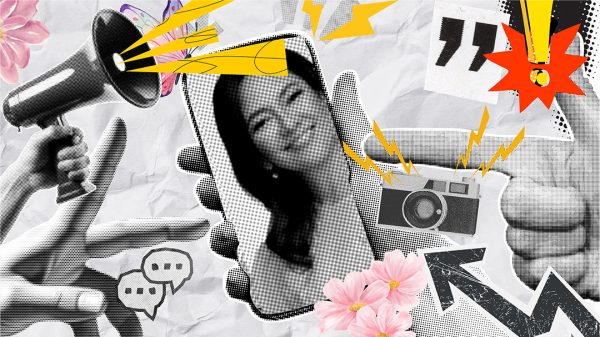
Lea Salonga, a Filipino icon known for lending her voice to legends, used her real voice this time, the one that matters most at home.
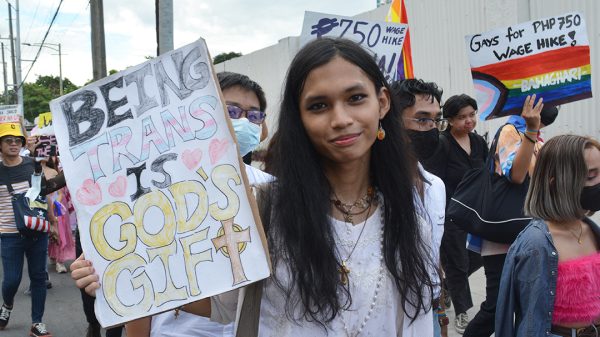
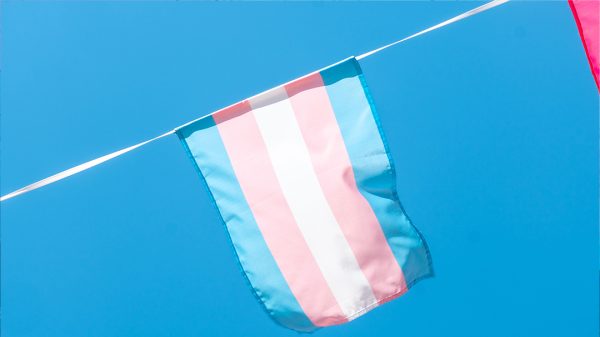
When her child says: “I am gay”, “I am bisexual”, “I am trans”, her answer is not confusion, not denial, not shame. It is acceptance.
This is not celebrity news. This is a blueprint.
Because the first human right a child ever needs is safety in their own home.
Before society judges, before labels are debated, before politics intrude, a parent’s love can decide whether a young person learns to hide or to breathe.
Acceptance does not create identity. It protects life.
In every culture, in every language, the message is the same: love that listens saves futures.
And sometimes, the bravest activism is simply a parent saying: “You are still mine. And you are still enough.”
But Lea is wrong… though only to those who choose society’s approval over their child’s survival.