




























Living with chronic pain changes the meaning of the word relaxation. It is no longer about luxury or indulgence; it’s about finding a moment where your body softens instead of bracing and where your nervous system drops out of fight or flight, even briefly.
Those moments matter more than people realize.
Most people with ongoing pain have already tried the obvious advice. “Get more sleep.” “Reduce stress.” “Do gentle exercise.” These are all valid but vague. Real relaxation looks much more practical and much more personal.
Build Comfort Around Your Body
A lot of wellness advice assumes you can stick to routines. Chronic pain does not work with routines. Energy fluctuates, and symptoms flare unexpectedly. Some days you can manage structure, others you’re just getting through.
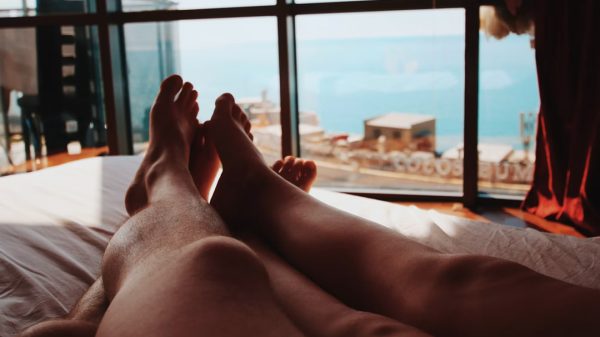
Instead of forcing a perfect routine, build flexible comfort tools into your environment. Keep a supportive cushion where you actually sit. Have blankets within reach. Place heating pads where you use them most. Create rest-friendly spaces that don’t require effort to access.
When comfort is easy to reach, you’re more likely to use it consistently.
Use Sensory Calm to Reduce Overload
Pain isn’t just physical; it’s neurological. Our nervous system is often already overstimulated, which means small sensory irritations feel bigger than they should.
Paying attention to sensory input can make a real difference. Harsh lighting, loud background noise, scratchy fabrics. Uncomfortable temperatures. These things drain energy without you noticing.
Small Changes That Help
Small changes help
- Soft lighting instead of overhead bright lights
- Noise-reducing headphones when the world feels too loud
- Clothing that doesn’t press or rub on sensitive areas
- Familiar background sounds instead of silence
It is not about aesthetics. It’s about reducing the constant background strain your body is carrying.
Allow Yourself Low-Effort Relaxation
All people with chronic pain feel pressure to use their limited energy productively. Even rest becomes something to optimize. That mindset backfires quickly.
Low-effort relaxation is not laziness; it’s necessary regulation.
Watch familiar shows, listen to podcasts. Sit outside with a drink. Scroll without guilt. Re-read books you already know. These are lesser forms of rest; they are often the most accessible ones.
Some people also build comfort rituals around personal preferences, such as herbal teas, magnesium baths, aromatherapy, calming skincare routines, or weed pre-rolls for delivery as part of how they wind down the evening. The specifics aren’t universal. What matters is if it feels soothing rather than stimulating.
Stop Treating Rest as Something You Earn
Many people with chronic pain carry around a lot of guilt. If they didn’t do enough, they didn’t earn rest. If they did too much, rest feels forced and frustrating.
That constant mental negotiation adds another layer of stress to an already strained system.
Rest isn’t a reward and shouldn’t be treated as such; it’s a requirement.
You don’t have to justify why your body needs a break; you don’t need a positivity threshold before you’re allowed to lie down. Giving yourself permission to rest without explanation is often one of the most difficult and most healing mindset shifts you can make.