


































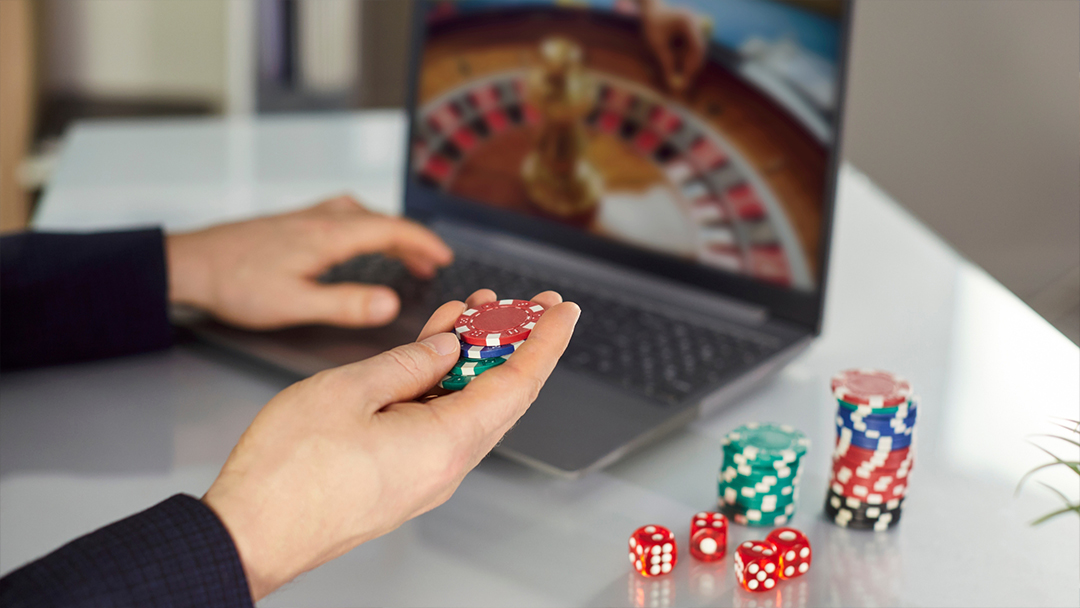
Casino games used to assume attention. When someone opened a game, that was the activity. Time was set aside, distractions were limited, and the experience could unfold without interruption. That assumption broke once phones became the primary screen. Casino games now live in the same space as messaging apps, live video, social feeds, and mobile games. Players don’t switch modes anymore. They layer activities. Casino games had to adapt to that reality or fall out of use.
Playing While Doing Something Else Is the Default
Most casino play today happens alongside something else. A game might be open while a football match is on, notifications are coming in, or another app is being checked every few minutes. This is exactly why platforms offering a smooth betway malawi apk download experience focus on fast re-entry and session stability rather than long, uninterrupted play. Sessions are interrupted constantly and often without warning. Games that depend on sustained focus struggle in that environment. Games that tolerate distraction work better. Over time, platforms leaned toward formats that don’t punish players for stepping away or losing context. This is not a preference shift. It’s a usage shift.
Rounds Became Shorter and More Self-Contained
One of the most visible changes is how compact gameplay has become. Each round is designed to stand on its own. There’s no long setup and no reliance on remembering what happened earlier. That makes it easier to leave and return without friction. A player can stop mid-session and come back later without feeling lost or behind. This fits how people actually use their phones, where attention is split and unpredictable. Longer formats still exist, but they are no longer the backbone of everyday play.
Interfaces Were Simplified for Glance-Based Use
When attention is divided, complexity becomes a liability. Casino games adapted by making screens easier to read at a glance. Important information surfaced clearly. Secondary details are pushed out of the way.
This doesn’t mean the games became less advanced. It means the complexity moved behind the interface. The surface experience became calmer and more predictable so players could understand what was happening even when they were only half-looking. Designs that require interpretation or constant monitoring don’t survive well in multitasking environments.
Feedback Had to Be Immediate and Clear
Multitasking reduces patience. When players are switching between apps, any delay or ambiguity feels heavier than it would during focused play. Casino games responded by tightening feedback loops. Actions trigger instant confirmation. Outcomes are clearly signaled. Waiting is explained rather than hidden. Uncertainty is removed wherever possible. Responsiveness stopped being a technical detail and became part of how quality is judged.
Casino Games Slipped Into the Background
Many casino games are now used the same way people use background content. Sound is optional. Visuals are readable without close attention. A player can glance, interact briefly, and move on. This makes casino play easier to combine with other digital habits. It becomes part of a routine rather than a standalone event. The game doesn’t demand attention. It accepts whatever attention is available. That shift quietly changed what “good” design looks like in this space.
Engagement Is About Returning, Not Staying
Multitasking also changed how platforms think about engagement. Long sessions are no longer the main goal. Frequent returns matter more. A player who opens a game for a few minutes several times a day fits modern usage better than one who plays once for an hour. Casino platforms adjusted their metrics to reflect this reality. This aligns casino gaming with how most mobile entertainment is judged today: by habit, not immersion.
Reliability Became More Important Than Flash
When attention is divided, trust matters more. Players are less likely to monitor details closely, which means any unexpected behavior stands out immediately. That’s why casino platforms place so much emphasis on stability. Predictable behavior allows players to disengage mentally without worrying that something will go wrong while they’re looking elsewhere.In a multitasking environment, reliability isn’t just technical quality. It’s part of the experience.
A Permanent Change in How Casino Games Are Used
Multitasking didn’t temporarily influence casino games. It permanently reshaped how they are designed and played. Games are no longer built around full attention. They’re built to survive interruptions, partial focus, and quick exits. Platforms that accepted this adjusted their pacing, interfaces, and priorities to match real behavior. Those that didn’t now feel out of place on devices built for doing several things at once.