























For many in the LGBTQ+ community, the internet is way more than just a place to find information; it’s a total lifeline. It offers a spot to feel validated, make friends, and get support that might not be available right where we live. These online havens give us a sense of belonging and help us connect with others who get what we’re going through, no matter where we are in the world.
As we keep building and nurturing these digital homes, it’s super important to understand what truly makes them safe, easy to get to, and empowering for everyone.
The Power of Online Connection
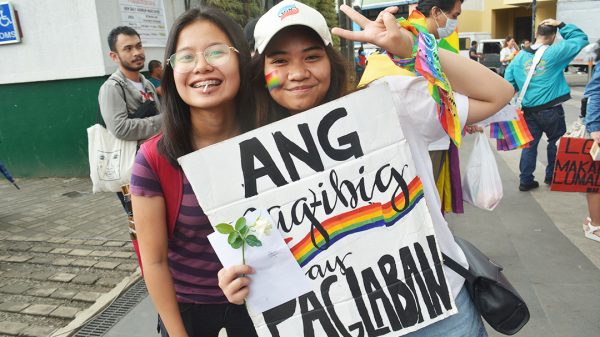
Finding your community is a huge part of the queer experience. For folks living in rural areas, unsupportive homes, or places with few local resources, online spaces can be the very first place they connect with other LGBTQ+ people. Forums, social media groups, and dedicated apps offer platforms where you can ask questions, share stories, and just exist without worrying about judgment. Research shows these digital spaces are especially important for LGBTQ young people of color, who often find affirmation and community online that they might not find offline. These connections fight off isolation and send a powerful message: you are not alone.
Why Reliable Internet Matters
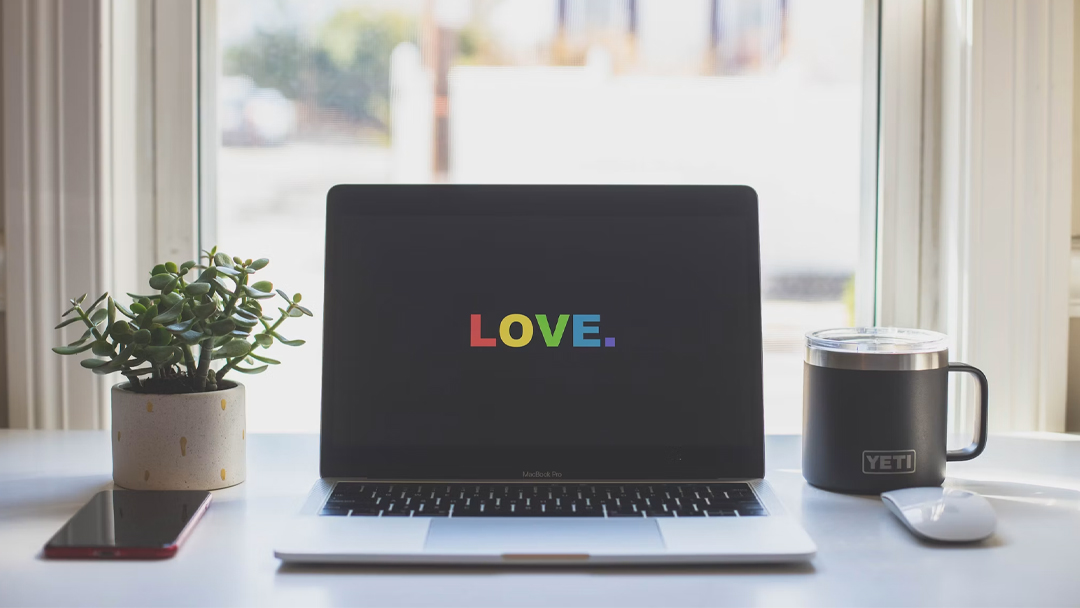
An online safe space only works if you can actually get into it. A choppy video call during a virtual support group or a website that just won’t load can really mess things up and make it hard to connect. Stable, high-speed internet is the bedrock these communities are built on. It makes sure everyone can fully participate, whether they’re joining a live-streamed panel, working together on a creative project, or just having a heart-to-heart chat over video.
For creators and community organizers hosting big virtual events, having a connection that can handle heavy usage is a must. While not every home needs something as powerful as 2000 mbps internet, a reliable connection is essential for smooth, inclusive digital interactions.
Creating Inclusive Digital Hubs
Technology sets the stage, but people build the community. Creating a truly inclusive digital hub takes real effort from both moderators and members. This starts with clear community guidelines that are consistently enforced, banning hate speech, harassment, and bullying. Good moderation is key to keeping conversations respectful and supportive.
Beyond the rules, fostering inclusivity means celebrating diversity within the community, using inclusive language in everything, and creating specific channels or threads for different identities and interests. Whether it’s a Discord server for queer gamers or a private Facebook group for trans parents, the best spaces are where members feel seen, respected, and free to be their authentic selves.
Bridging Divides Through Connectivity
While the internet offers amazing opportunities, not everyone has access. The digital divide hits marginalized groups within our own community harder, including low-income individuals, seniors, and those in rural or remote areas. This gap can stop people from getting vital health information, finding support networks, and joining online advocacy.
Fixing this problem is a crucial part of our shared responsibility. Efforts to bridge the LGBTQ digital divide are essential to make sure no one gets left behind. This means advocating for affordable internet plans, supporting programs that give devices to those who need them, and promoting digital literacy.
Ensuring Equitable Access
Making sure everyone can join our digital communities goes beyond just having an internet connection. True equity means thinking about all the possible barriers. This includes making sure websites and platforms are accessible for people with disabilities by following web accessibility standards. It also means offering content in different ways, like providing transcripts for podcasts or captions for videos, to fit various needs and preferences.
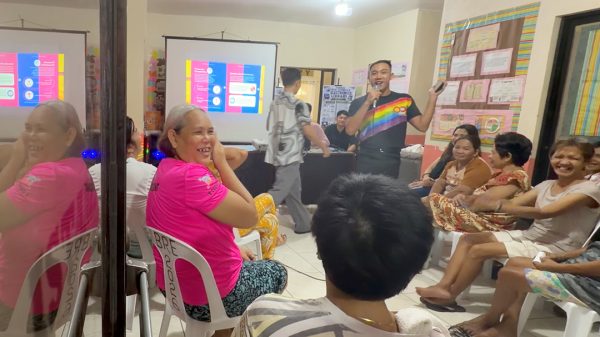
Community-led initiatives can be a huge help by offering tech support to less experienced users or creating guides on how to navigate online spaces safely. By thinking about access from every angle, we can build more resilient, diverse, and welcoming digital spaces for everyone.
Building and keeping up these digital safe spaces is an ongoing, team effort. Every new connection, shared resource, and supportive comment strengthens the fabric of our global community, making the world a more vibrant and affirming place for all.