





















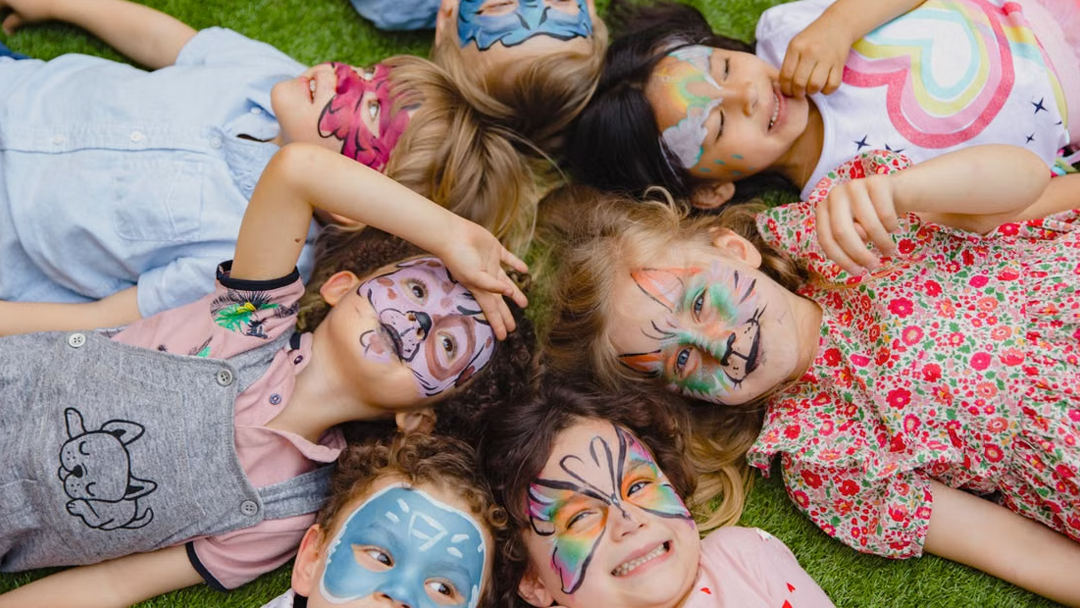
Parents planning birthday parties or special celebrations for children with sensory sensitivities often face the challenge of finding entertainment that truly welcomes every guest. Whether a child is on the autism spectrum, has sensory processing differences, or simply prefers a quieter environment, traditional performances can be overwhelming—bright lights, loud music, and unexpected surprises may turn a joyful event into a stressful one.
The goal becomes clear: create a celebration where all children feel comfortable, included, and able to participate. Sensory-friendly entertainment approaches this challenge with concrete strategies, allowing parents to make informed choices so every attendee—regardless of sensory needs—can enjoy the party together.
Designing Sensory-Friendly Entertainment for Inclusive Children Events
Successful sensory-friendly entertainment starts with understanding the unique requirements of children who are sensitive to sound, light, or unexpected changes. For example, many children with sensory processing differences benefit from visual schedules, which outline what will happen during the party and prepare them for each part of the performance. Entertainment providers who offer clear, predictable routines and minimize sudden volume changes help set the stage for an inclusive celebration.
Incorporating flexible seating options—such as beanbag chairs or quiet corners—allows children to enjoy the show at their own pace. Resources outlining best practices for sensory-friendly event design can guide parents in setting up a welcoming atmosphere that meets concrete needs instead of relying on generic solutions.
Evaluating Clowns4Kids Performance Options for Neurodivergent Guests
Before booking, parents should review the available performance formats and communicate specific needs. For example, autism friendly party entertainers may adjust their standard approach by offering low-noise comedy skits or magic tricks that avoid startling props such as loud confetti poppers or flashing lights. When assessing options through Clowns4Kids, parents can ask about the ability to customize the show—such as lowering music volume or pausing for quiet breaks.
These entertainment providers often accommodate requests for meet-and-greet sessions before the main act, helping children become familiar with performers in a low-pressure setting. Choosing a provider with experience in sensory-friendly programming gives families confidence that the needs of neurodivergent guests are understood and respected.
Booking Accessible Party Entertainment Through Clowns4Kids
Securing entertainment that suits children with sensory sensitivities involves clear communication during the booking process. Parents should describe any specific triggers, such as aversion to certain sounds or textures, and confirm that the performers are trained to handle unexpected reactions with patience. Booking forms may include sections to note individual guest preferences, ensuring entertainers can plan accordingly. Some families request shorter sets or structured intermissions to prevent overstimulation.
Reviewing guidelines for communicating accessibility needs to entertainers helps ensure all details are addressed. Autism friendly party entertainers who take time to answer questions and discuss possible adjustments signal a commitment to inclusive service and help minimize surprises on the event day.
Modifying Magic and Comedy Acts for Sensory Processing Differences
Sensory-friendly performers adapt their routines to minimize distress and maximize participation for all children. For example, magicians may use soft-spoken narration and tactile props that invite gentle interaction rather than loud, visually overwhelming tricks. Comedy acts can be tailored by scripting jokes that avoid sudden noises and by using facial expressions and body language to tell stories, making the humor accessible without relying on slapstick or volume. Some entertainers provide pre-show introductions, explaining what to expect and allowing children to opt out of interactive segments if they wish. These modifications make it possible for every guest to enjoy the excitement of the event without feeling excluded or overwhelmed.
Conclusion
When planning an inclusive event, ask specific questions about how entertainment can be adjusted for sensory needs, and ensure performers are open to feedback and customization. Prioritizing these details during booking leads to a celebration where every child, regardless of sensory preferences, can participate comfortably and joyfully.