









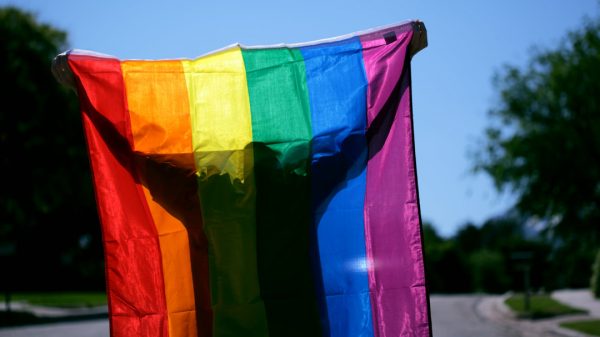



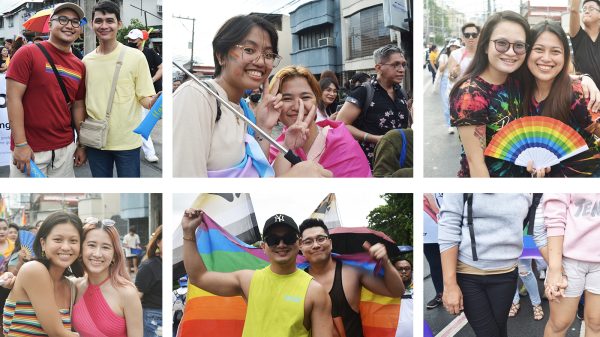
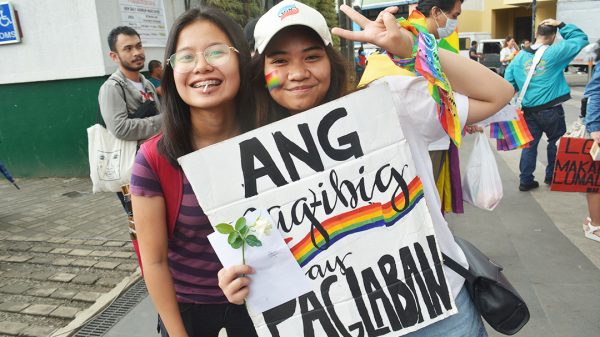







LGBTQ+ young people connect to online friendships and communities to explore their identities, find peer support, and build lasting friendships. As such, this highlights the critical role digital communities play in the lives of LGBTQ+ young people, revealing that digital platforms are vital in creating kinder and safer environments where they are more likely to be open about their own identities.
This is according to a report, “Without It, I Wouldn’t Be Here Today”: LGBTQ+ Young People’s Experiences in Online Spaces“, by Hopelab and Born This Way Foundation.
“Our research reveals that online spaces are essential environments for identity exploration, support, and community,” said Dr. Amy Green, Head of Research at Hopelab. “As digital platforms evolve, policymakers and the platforms themselves must partner with LGBTQ+ young people to ensure safer, more inclusive spaces that reflect their lived experiences and needs.”
This research captured insights from more than 1,200 LGBTQ+ young people aged 15 to 24, representing diverse backgrounds and experiences: 50% of participants identified as BIPOC; 29% resided in rural areas or small towns; and 20% reported struggling to meet or unable to meet basic expenses.
Key findings included:
- LGBTQ+ young people feel significantly safer expressing their identities online, with 44% feeling very safe in digital spaces compared to just 9% in person. This disparity is particularly stark for transgender and nonbinary youth, who are twice as likely to disclose their gender identity online than in person (80% vs. 40%).
- LGBTQ+ young people rated friends — both online and in-person — as providing nearly twice the social support of family, underscoring the critical role of peer relationships for LGBTQ+ young people (63% and 62% vs. 33%).
- In-person spaces are also important for the well-being of LGBTQ+ young people. Those who reported access to in-person spaces that were very supportive of their LGBTQ+ identity had nearly half the rates of depression as those who didn’t (28% vs. 53%).
- 76% of LGBTQ+ young people expressed serious concern about potential government restrictions on LGBTQ+-affirming online content, while simultaneously prioritizing platform safety in their digital spaces.
“There are a lot of discussions and debates happening right now about online spaces and young people, specifically LGBTQ+ young people. Unfortunately, far too few include their voices and actionable recommendations for how to improve these spaces to better support them,” said Dr. Claudia-Santi F. Fernandes, Director of Research + Evaluation at Born This Way Foundation.