






























Recovery from injury, surgery, or substance use is often a grueling process. The days can feel long, the physical pain is real, and the mental toll of being stuck in a facility is heavy. Traditional medical care is essential, but it often misses a key piece of the puzzle: the human need for connection and joy. Across Orange County, rehab centers are starting to look at a simple, furry solution to this problem. They are integrating animals into their programs to help patients heal faster and feel better.
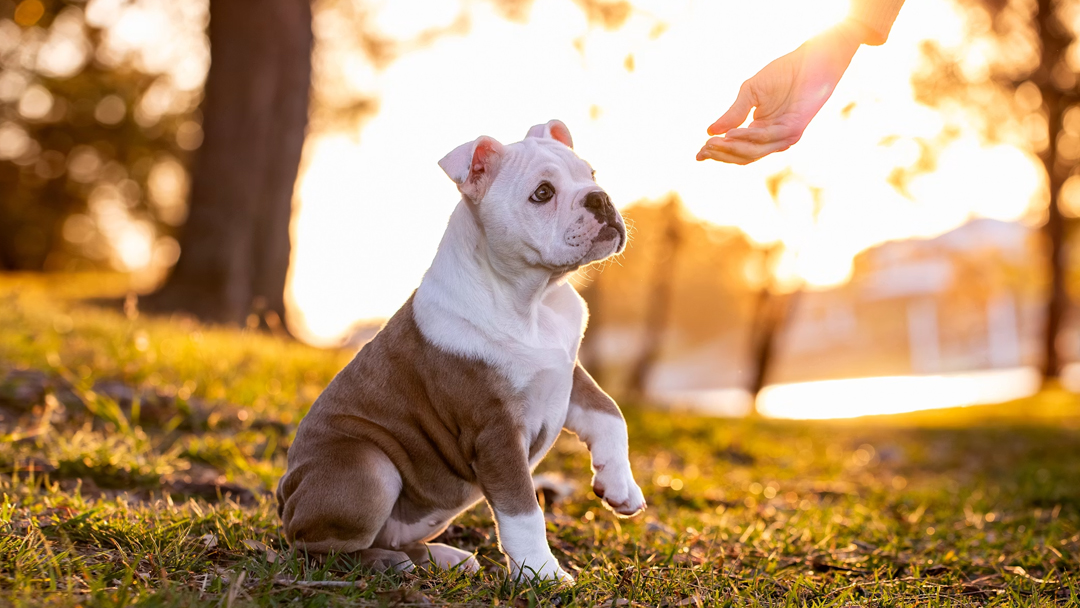
Animal-assisted therapy, or AAT, is more than just a nice way to pass the time. It is a structured approach that uses the bond between humans and animals to improve physical and mental health. While the idea might seem new to some, it is growing fast in the Southern California medical community. Whether you are recovering from a hip replacement in Newport Beach or working through addiction treatment in Irvine, the presence of a pet can change how you view your time in rehab.
The Science Behind Animal-Assisted Therapy in Rehab
Understanding the Physiological Benefits
You might wonder how a dog or cat can change your body’s chemistry. It isn’t magic; it is biology. When you interact with a calm animal, your body undergoes measurable changes that shift you from a state of stress to a state of relaxation.
Stress Reduction and Cortisol Levels
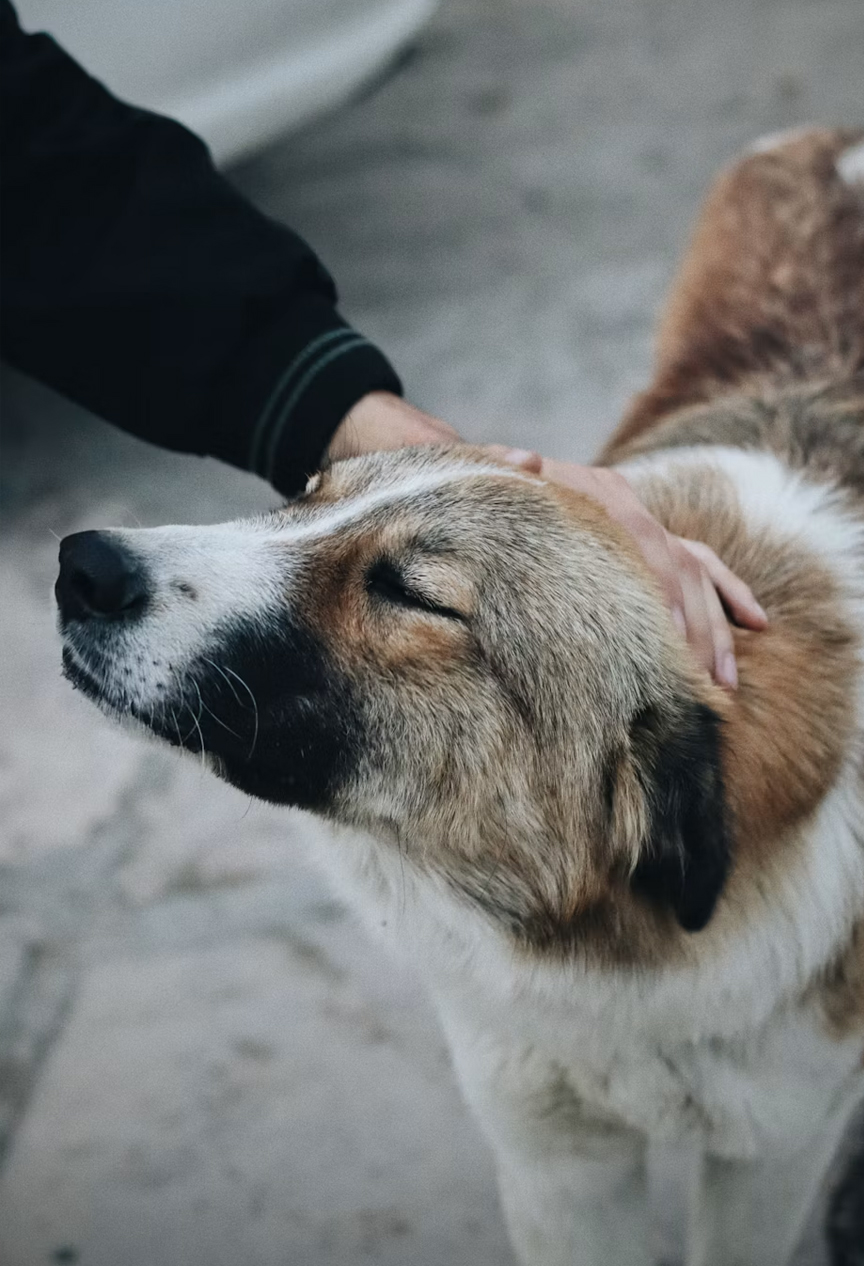
Stress is a major hurdle in any recovery plan. When you are stressed, your body pumps out cortisol, a hormone that keeps your heart rate high and your muscles tight. This prevents your body from focusing on the actual repair work of healing. Petting an animal has been shown to lower cortisol levels quickly. When you stroke a dog’s fur, your body relaxes, allowing your blood pressure to drop and your heart rate to slow down.
Oxytocin Release and Bonding
While cortisol goes down, oxytocin goes up. Often called the “love hormone,” oxytocin is the same chemical released when mothers bond with newborns. This hormone promotes feelings of trust and calm. In a pet friendly rehab Orange County setting, this is vital. It helps you let your guard down, making you more open to therapy and social interaction.
Blood Pressure and Heart Rate Regulation
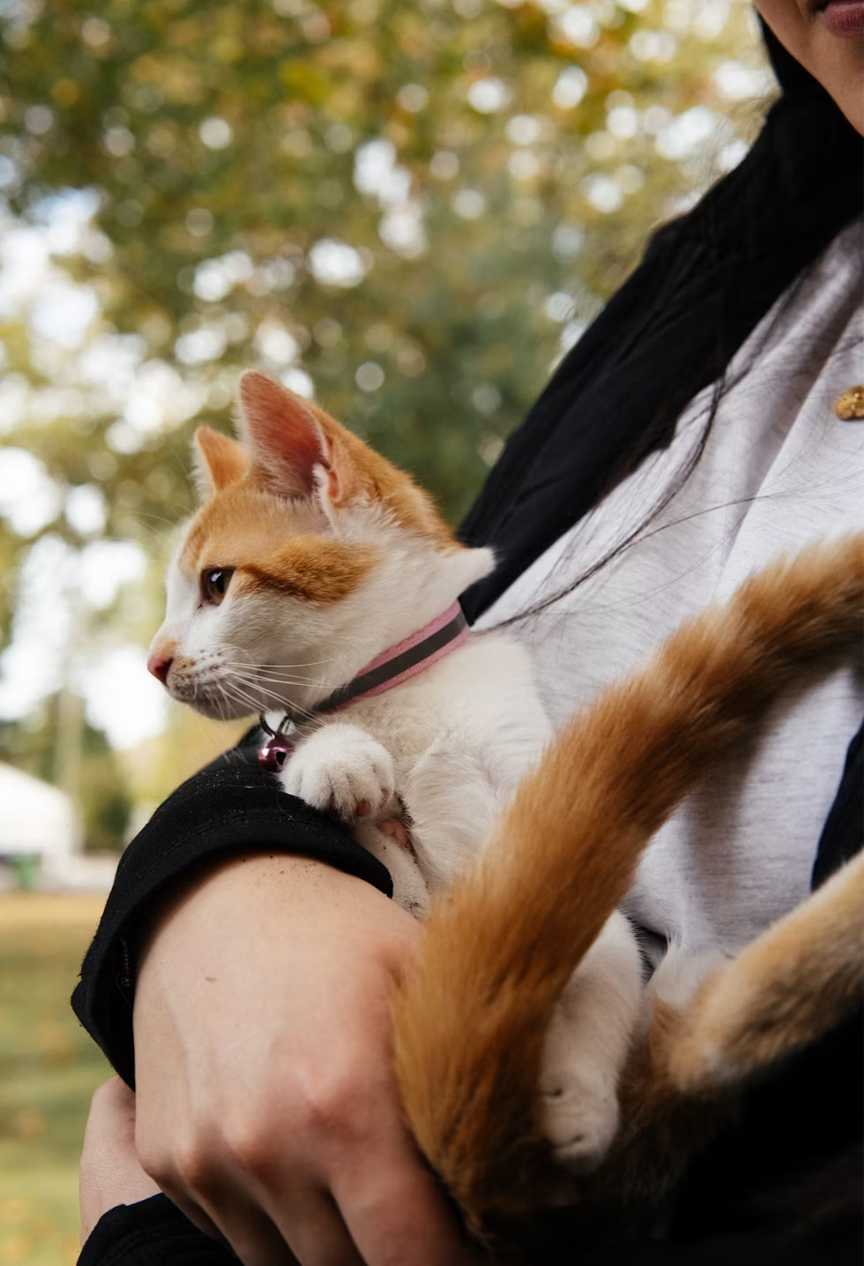
Research backs up these claims. Studies consistently show that interacting with therapy animals leads to a drop in blood pressure and resting heart rate. For patients recovering from cardiac events or surgery, these drops can improve overall recovery times. Even a few minutes of quiet time with an animal can keep the cardiovascular system in a more balanced state throughout the day.
The Psychological Impact of Companion Animals
Physical health is only half the battle. Recovery is often an emotional struggle that leads to deep feelings of isolation.
Reduced Feelings of Loneliness and Isolation
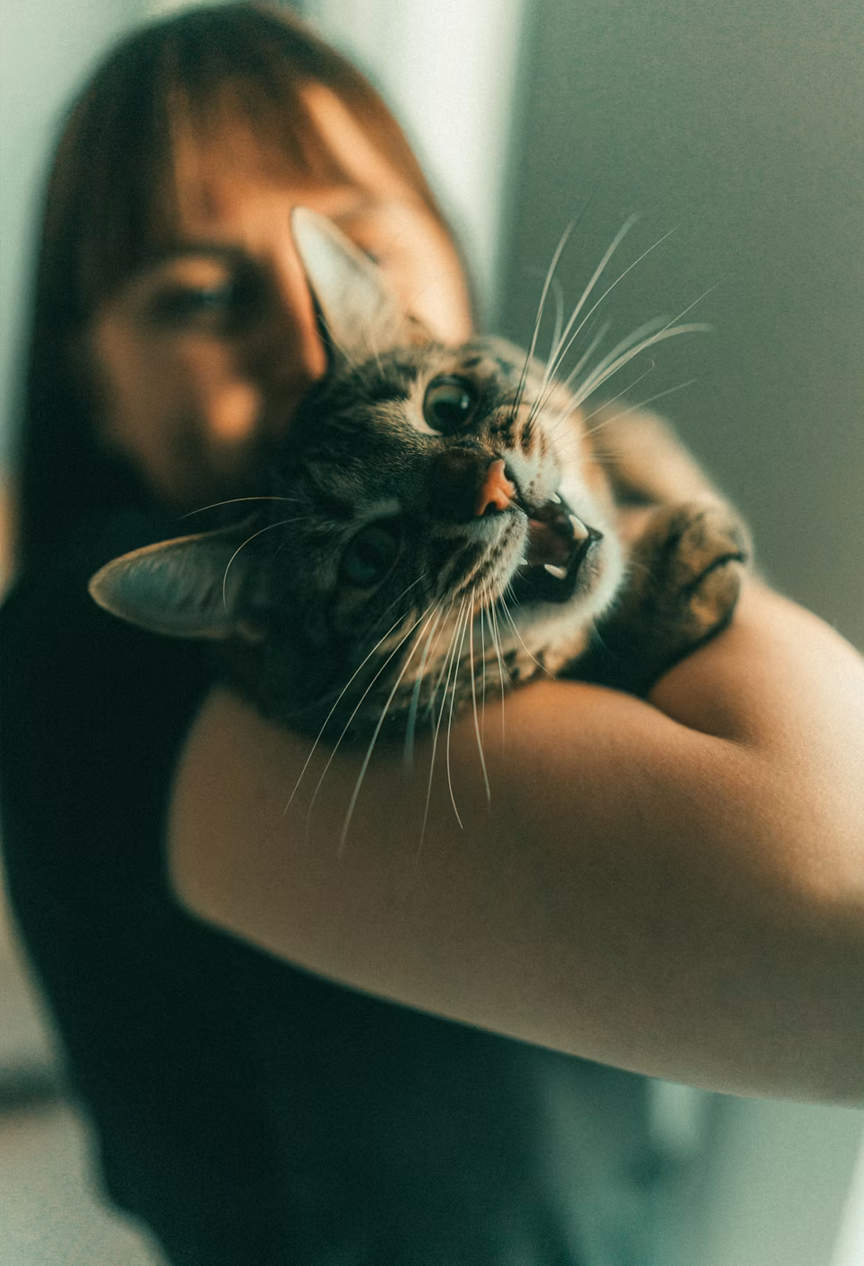
Rehab centers can feel sterile. They are places of transition, not home. This sense of being “in between” can trigger intense loneliness. Pets fill that gap. An animal does not care about your medical chart or your past mistakes. They offer presence. Having a dog or cat nearby creates a sense of comfort that makes the rehab environment feel less like a hospital and more like a safe space.
Improved Mood and Decreased Depression/Anxiety
It is hard to stay depressed when a dog is nudging your hand for a treat. Interactions with animals provide a natural mood boost. They redirect your focus from internal pain to external affection. Mental health professionals have noted that these interactions help break the cycle of negative thoughts that often plague patients in recovery.
Enhanced Motivation and Engagement
Motivation is often the hardest part of physical therapy. It is easy to skip an exercise or a group session when you don’t feel like moving. However, when a patient knows they get to see a therapy dog if they finish their session, their drive changes. The desire to interact with the animal acts as a reward, pushing patients to engage more fully in their recovery plans.
Types of Animal-Assisted Interventions in Orange County Rehab Centers
Formal Animal-Assisted Therapy Programs
Not every pet is a therapy animal. Formal programs rely on dogs that have been specifically trained and certified to work in medical settings.
Role of Certified Therapy Animals
These animals go through rigorous training. They learn to be calm in loud environments, ignore distractions, and approach strangers gently. They are not service animals, which are trained to do specific tasks for one person. Therapy animals are social workers of the pet world. They are trained to offer affection and comfort to many people in a clinical setting.
Integration into Physical Therapy
Physical therapy involves repetitive, often painful movements. Therapy animals help distract the brain from that pain. A therapist might have a patient reach out to brush a dog’s coat, which helps with range of motion. Or, they might have a patient walk a small distance while holding a leash, which encourages better gait and balance. This turns a boring, difficult task into a rewarding moment.
Integration into Occupational Therapy
Occupational therapy focuses on fine motor skills and daily tasks. Animals support this perfectly. Grooming a rabbit or brushing a dog requires precise hand movements. These tasks strengthen the small muscles in the hands and improve dexterity, which is crucial for patients recovering from strokes or severe injuries.
Informal Pet Visitation Programs
Some rehab centers allow patients to bring their own pets for visits. This is distinct from formal therapy, but it is just as powerful.
Benefits of Familiar Companions
There is no replacement for your own pet. If you are recovering from a surgery, seeing your own dog can remind you of your life outside the clinic. It provides a massive boost to morale. That sense of “normalcy” is a powerful tool for mental recovery.
Guidelines for Pet Visitation
Facilities must have clear rules for these visits to ensure safety. Before a pet enters a center, they usually need proof of up-to-date vaccinations. The animal must also have a calm temperament. Most centers set aside specific outdoor areas for these visits to keep hallways clear and minimize the risk of accidents.
Specific Rehab Settings Benefiting from Pet Integration in Orange County
Physical Rehabilitation Centers
Encouraging Movement and Exercise
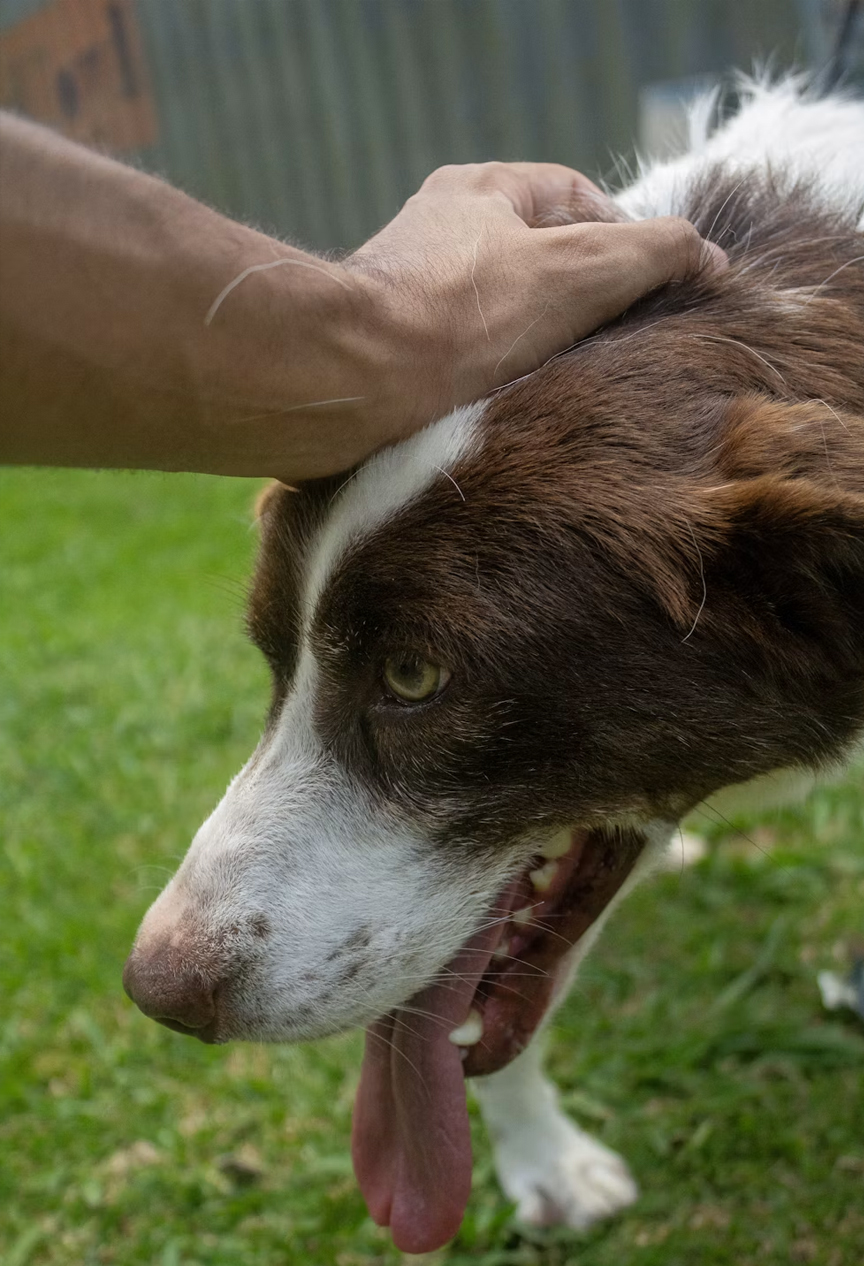
In physical rehab, the goal is getting the body moving again. A therapy dog can be the perfect partner. A patient might be reluctant to stand up, but if a therapy dog is waiting nearby, the patient finds a reason to get out of bed. This simple, voluntary movement helps rebuild muscle and coordination much faster than forced drills.
Improving Fine Motor Skills
Beyond just walking, small motor skills need attention. Playing fetch, using a clicker for training, or even simple petting exercises help with grip strength. These repetitive actions help patients regain control of their hands after an injury.
Mental Health and Behavioral Health Facilities
Building Trust and Rapport
Patients in mental health treatment often struggle to trust people. They may fear judgment. Animals do not judge. They simply offer connection. This creates a bridge. When a patient builds a bond with an animal, it can lower their defenses, making them more willing to talk to their human therapists.
Managing Emotional Distress
Anxiety and panic attacks are common in addiction and mental health recovery. Animals help patients ground themselves. Focusing on the rhythm of an animal’s breathing or the texture of their fur helps a patient stay in the present moment rather than spiraling into panic.
Fostering Social Interaction
Group therapy can be awkward. A pet in the room changes the dynamic. It gives people something neutral to focus on. It creates a shared, safe topic of conversation. This can spark a conversation between two patients who otherwise might not have spoken.
Substance Abuse and Addiction Treatment Centers
Developing Nurturing Skills
Addiction often involves a loss of self-worth. Caring for an animal forces a person to look outside of themselves. It reminds them they are capable of being responsible for another living creature. This sense of duty can be a key part of rebuilding one’s identity in recovery.
Providing Comfort During Withdrawal
Withdrawal is a time of immense physical and emotional pain. The presence of a calm animal can make this time bearable. Studies on treatment retention show that environments that feel warmer and more supportive have higher success rates. A pet provides that warmth, offering comfort when the human touch might feel overwhelming or unavailable.
Implementing and Maximizing Pet-Enhanced Rehab in Orange County
Choosing the Right Animals and Handlers
Temperament and Training Requirements
A therapy animal must have a predictable, steady personality. They should not be easily startled or aggressive. In Orange County, many facilities partner with national organizations that provide certification for therapy dogs to ensure they meet these standards before they step foot in a clinic.
Handler Qualifications and Roles
The handler is just as important as the animal. They must know how to read the animal’s stress levels and the patient’s needs. Handlers are trained to facilitate the interaction, ensuring the safety of both the patient and the pet.
Facility Considerations and Protocols
Health and Safety Regulations
Hygiene is the top priority in any medical center. Protocols typically include strict hand-washing before and after interactions. Centers must also designate specific spaces for animals, away from sterile areas like operating rooms or pharmacies. Allergy management is also handled by scheduling visits in well-ventilated areas.
Creating Pet-Friendly Spaces
You do not need a massive facility to host therapy animals. A quiet room with a comfortable rug and some toys is often enough. The environment should feel inviting, with enough space for a patient to sit on the floor or in a chair comfortably with the animal.
Staff Training and Buy-in
The staff must understand the program. If nurses or therapists view the therapy animals as a distraction, the program will fail. Education is key. When staff sees how much faster a patient improves when they are engaged with an animal, they often become the strongest supporters of the program.
The shift toward pet-integrated care in Orange County is more than a trend. It is a recognition of what patients have known for a long time: recovery is not just about the numbers on a chart. It is about the quality of the experience. By integrating pets into the rehab process, centers are addressing the whole person—mind, body, and spirit. As more facilities in the region adopt these programs, we can expect to see better outcomes, higher patient satisfaction, and a much more humane approach to healthcare. The bond between humans and animals is powerful, and in the context of rehab, it might just be the missing link to lasting recovery.