































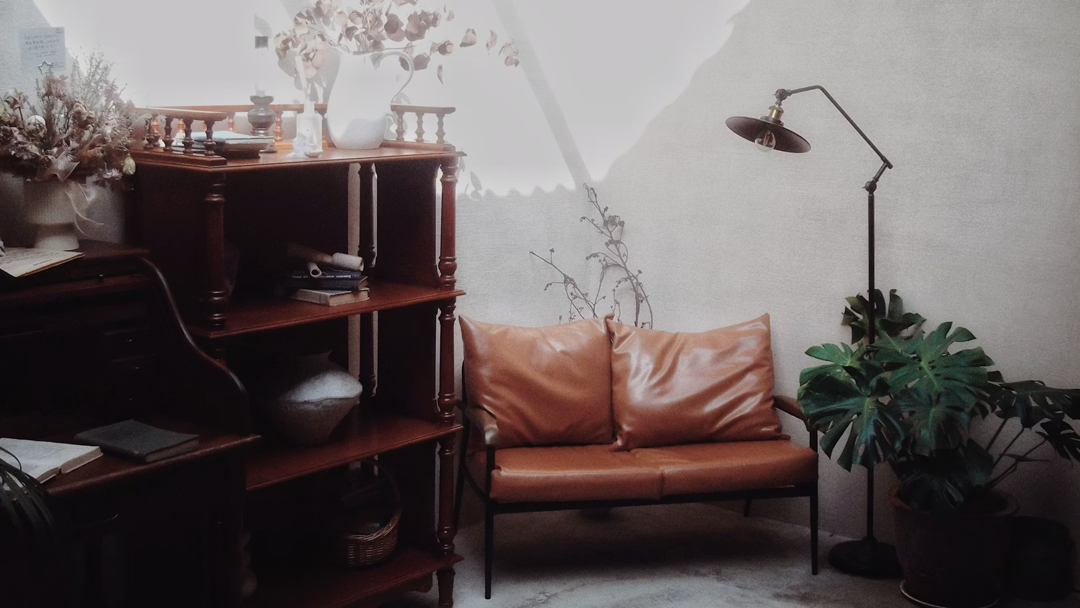
Older homes have plenty of charm and character, but that does not mean that they have to feel difficult to live in. With the right maintenance, design choices, and upgrades, you can make an older property feel as comfortable and efficient as a newer building.
A good place to begin is by paying attention to the home’s health and identifying things that need the most care before moving on to the aesthetic improvements. So let’s show you a few things to cast a discerning eye on:
Plumbing and Water Systems
One of the most important ways to modernize an older home is to upgrade the things that you do not see. Companies such as Bluefrog Plumbing can help assess aging pipes, weaker water pressure, hidden leaks, or any outdated fixtures that may be inadvertently dragging your home down. In many homes, plumbing problems tend to be the reason rooms feel less reliable than they should, so if you fix those problems first, you’re going to create a stronger foundation for every other improvement.
Improving Energy Efficiency
Newer homes often feel more comfortable because they are designed with better insulation. Older homes can be brought up to speed by adding attic insulation, sealing drafts, and upgrading windows where needed, and this will help the household temperature more evenly, reduce utility bills, while also making everyday living feel much smoother. A home that stays warm in the winter and cool in the summer will feel far more modern and make a big difference to your comfort.
Refreshing the Lighting
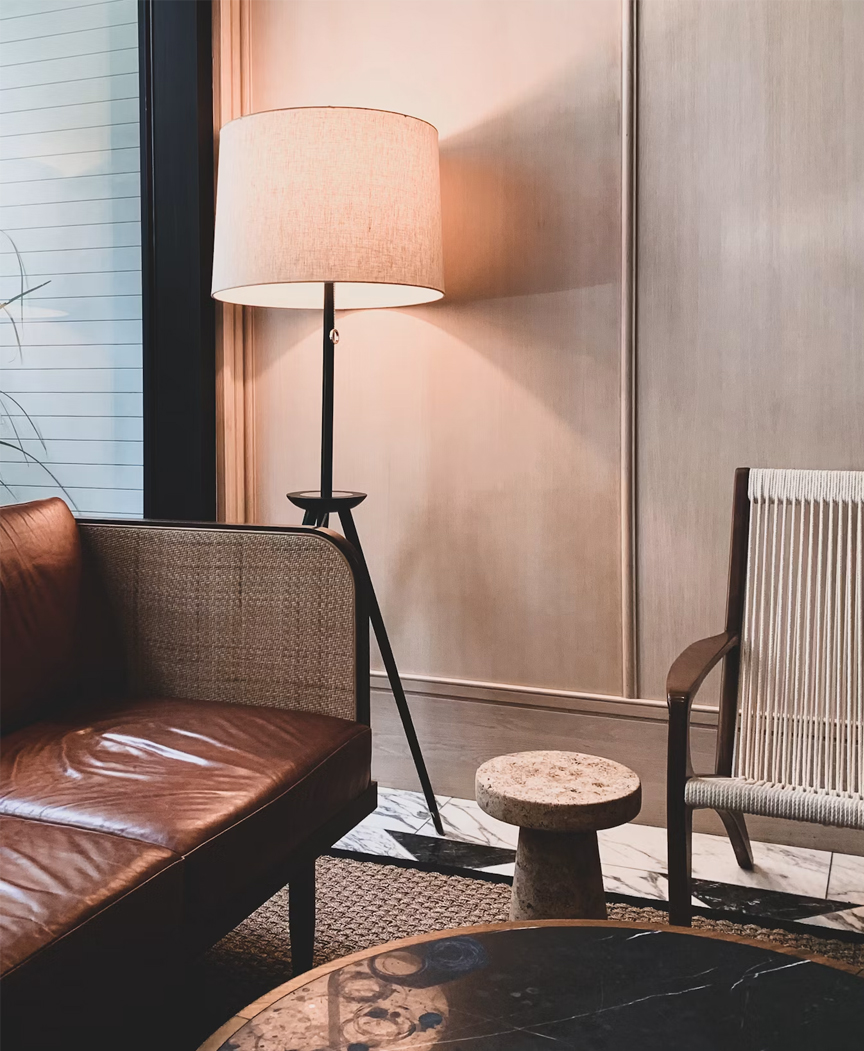
Lighting has a major effect on how a home feels, and it’s one of the easiest ways to make an older space seem newer. So if you swap out some outdated fixtures for cleaner designs and layer overhead lighting with lamps or warmer bulbs to reduce that dull look, this can make a big difference to the overall mood of a house.
Updating Your Kitchens and Bathrooms in the Right Way
You can be strategic when it comes to these two types of upgrades, and, in fact, you do not need a full renovation to make an older home feel current. In fact, you can focus on the surfaces and fixtures that people notice first of all, like cabinet hardware, backsplashes, and sinks. In kitchens and bathrooms, small changes can deliver a new-build look without the need for a massive budget. Matching finishes, simple lines, and durable materials tend to create a fresher result than things that are overly complicated.
Make the Layout Feel More Useful
Older homes were often built with more closed-off rooms, and this can feel more restrictive compared to modern, open, flexible layouts. You may not need to remove every wall to improve the flow because sometimes widening openings, improving where you put the furniture, or using consistent colors across connected spaces can create a more modern feel. The goal is about making the home work better for the way people actually live now.
We have to remember that an old home is not a bad one, and, in fact, the job is usually about identifying what matters most, rather than replacing every single thing!