





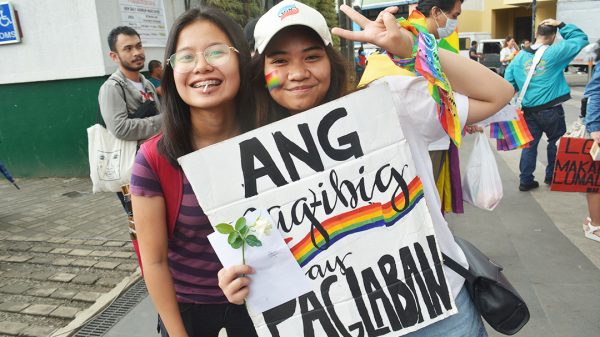
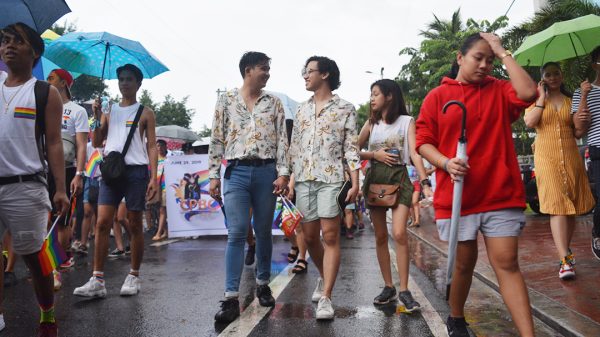
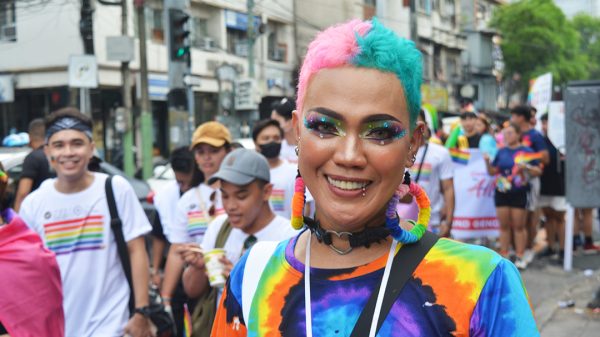
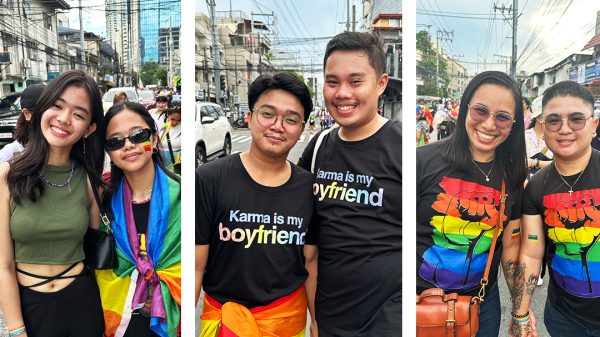




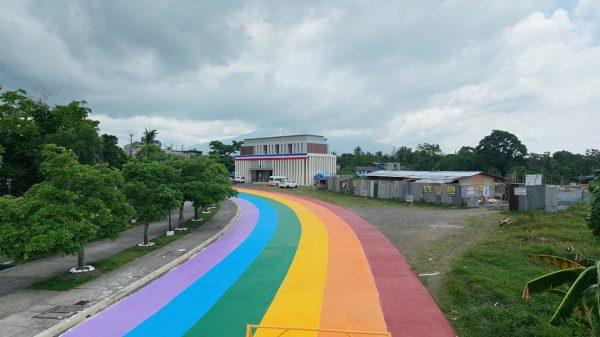


For many people, nightlife is one of the first visible connections to LGBTQ+ culture; as such, it is typically portrayed as being loud, colorful, and unapologetically bold. While that can be true, it is only one aspect of a much bigger story. In reality, LGBTQ+ nightlife is not just all about parties.
It is about community, expression, and finding spaces where people can feel safely seen.
These spaces are constantly evolving. In 2026, they reflect a wide range of identities, experiences, and comfort levels. It is important to understand that diversity to move beyond outdated assumptions.
Safe Spaces in the Community
LGBTQ+ friendly bars have long served as more than just social venues. They are places where people can relax without fear of judgment. For all those still exploring their identity or forced to hide their true selves during the day, these environments offer a sense of belonging that may not exist elsewhere.
It’s also worth noting that these spaces tend to act as informal support systems where connections, conversations, and friendships can form naturally.
Performance Culture
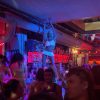
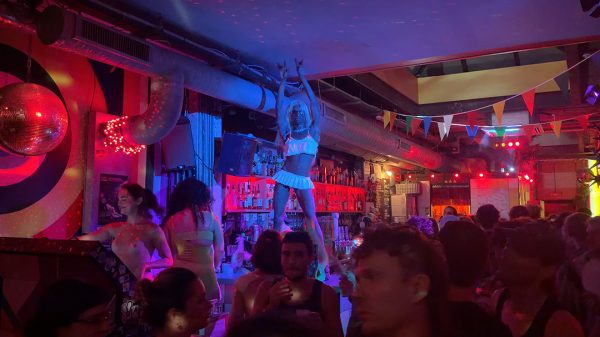
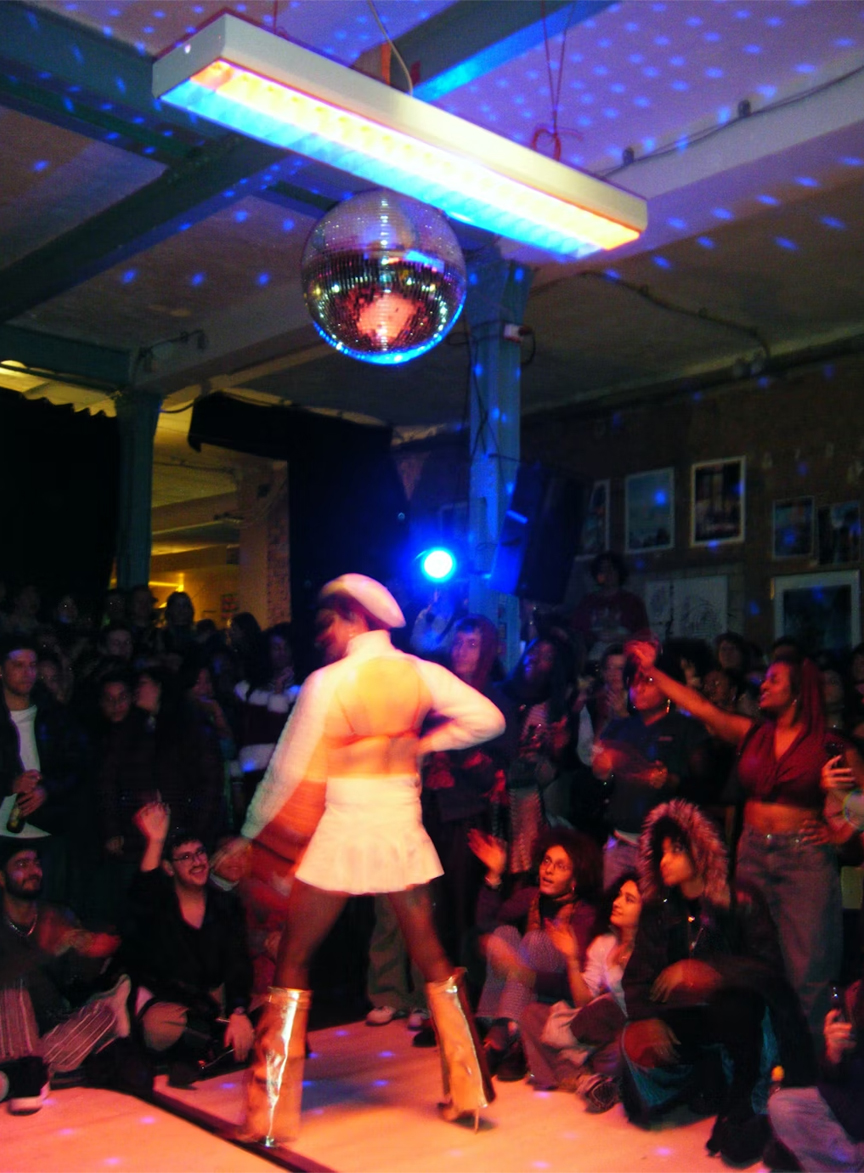
Drag is one of the most recognizable elements of LGBTQ+ nightlife, and it’s easy to see why. It blends performance, fashion, and storytelling into a form of art that is deeply meaningful, besides being also entertaining.
Drag has deep cultural roots that go well beyond the glamour. It has long been a way to challenge norms and celebrate individuality. Today, drag shows attract diverse audiences. They create a space where both creativity and identity are celebrated openly.
Dance Clubs
Dance floors have always played a central role in LGBTQ+ nightlife. Indeed, they allow people to express themselves freely through music, movement, and style.
This is a lot more than just dancing. It is about stepping into an environment where the identity is fully unrestrained. Music and atmosphere can come together to create a unique sense of freedom, which many can’t find anywhere else.
Adult Entertainment
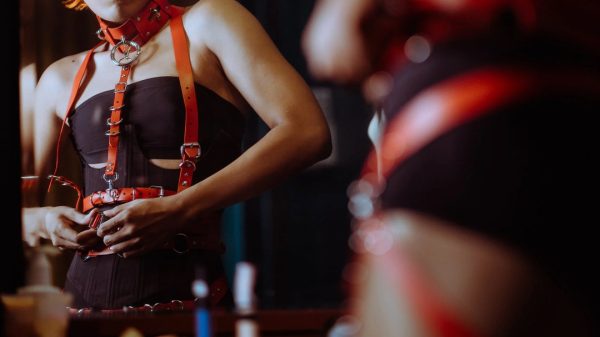
Adult entertainment is also part of the broader nightlife landscape. Sometimes, this could look like visiting the best strip club locally as a way to entert he nightlife with style.
Strip clubs may not be labeled as LGBTQ+, but they have long been a way for many to define their identity. Naturally, it is important to approach these spaces with respect and awareness, both for the performance and for the audience.

Queer Events Beyond Clubs
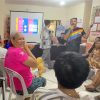
The queer community is diverse and complex, so nightlife events need to reflect these nuances. The idea that LGBTQ+ nightlife should only be about partying is erroneous. Many queer communities have cultural events, such as film screenings, poetry nights, and even gatherings to support their members. These events often reflect the growing recognition that LGBTQ+ doesn’t need high-energy and high-performing environments to justify its existence.
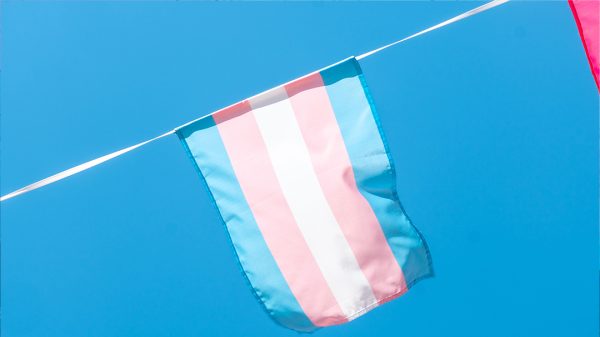
Unfortunately, the stereotypes remain, and many believe that LGBTQ+ nightlife is focused on excess noise, sexuality, and performance. As a result, these assumptions can discourage many individuals from engaging with the community or even embracing their own identity for fear of negative perception. It’s important to understand that while vibrant nightlife is culturally associated with the queer and trans community, there is much more diversity, emotional depth, and nuances in this community.
In conclusion, LGBTQ+ nightmare is a spectrum of spaces represented different needs, personalities, wants, and eras of the community. But all share one thing: Connection, and through this connection, the community can grow safer and prouder.