







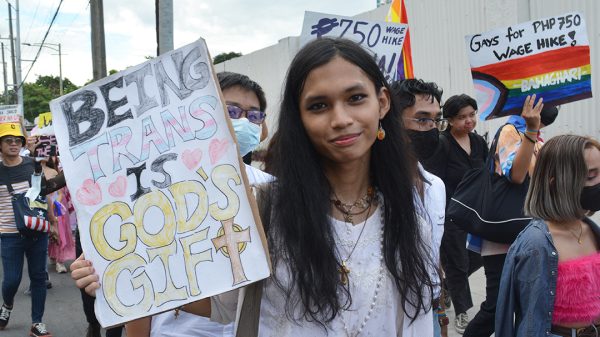






















LGBT adolescents report a wide range of strengths, particularly in terms of their social connections and caring attributes.
This is according to a study — “The Strengths of Sexual- and Gender-Minoritized Adolescents: Results From the Millennium Cohort Study” by Philippa Waterhouse, Sarah Burkill, John Fenaughty, and Mathijs Lucassen — that appeared in the Journal of Adolescent Health.
According to the researchers, previous studies on LGBT youth have often focused on disparities in health and wellbeing. But here, they wanted to, instead, outline the unique strengths of LGBT youth.
The study used data from over 7,000 young people aged 17 years old from the nationally representative UK Millennium Cohort Study. It applied the 5Cs model of positive youth development — competence, confidence, connection, character and caring — to compare experiences across different gender and sexuality groups. The sample included 41% cisgender heterosexual males, 33% cisgender heterosexual females, 17% cisgender sexual minority females (e.g., LGB youth), 8% cisgender sexual minority males, and 1% gender-minoritised adolescents (e.g., trans young people).
The findings showed that, yes, LGBT adolescents report a wide range of strengths, particularly in terms of their social connections and caring attributes.
Additionally, sexual minoritized adolescents were more likely than their cisgender heterosexual male peers to report academic competence, while gender minoritized adolescents were more likely to describe themselves as creative and community-minded.
One of the researchers, Lucassen, said: “LGBT young people are routinely viewed as at risk and research to date has been deficit-focused. Our new paper highlights the strengths of these youths, reinforcing instances where they are doing better than heterosexual cisgender youth.”
Fr Lucassen, emphasizing the challenges minoritized groups, like LGBT young people, face is important.
“Doing this can result in motivating a society to change negative environments and by extension improve outcomes. But the problem is that constantly emphasizing their perceived deficits means that LGBT young people can internalize a range of negative or toxic messages (like I am somehow wrong or inferior) — which in turn exacerbates the psycho-social struggles they encounter.”