























By Carlos H. Conde
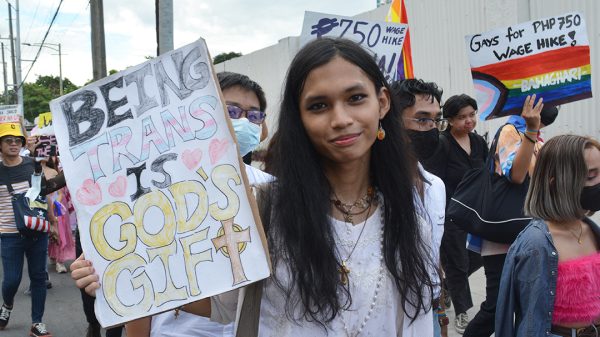
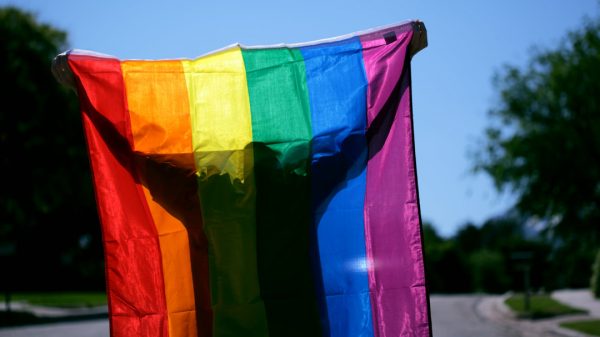
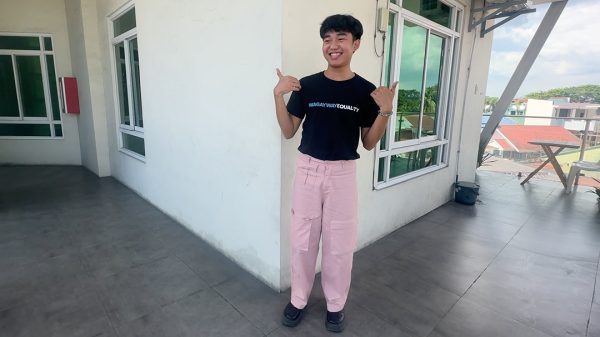
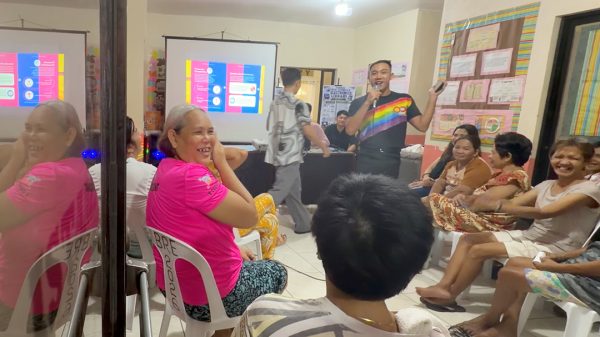
The Philippine city of Mandaluyong has approved an ordinance to protect the rights of lesbian, gay, bisexual, and transgender people from discrimination, the latest in a slew of local laws passed across the country.
Mandaluyong’s anti-discrimination ordinance “prohibits such discriminatory acts as denying or limiting employment-related access; denying access to public programs or services; refusing admission, expelling or dismissing a person from educational institutions due to their SOGIE (sexual orientation, gender identity and expression).” It also prohibits “verbal or written abuse; unjust detention/involuntary confinement; denying access to facilities; and illegalizing formation of groups that incite SOGIE-related discrimination.”
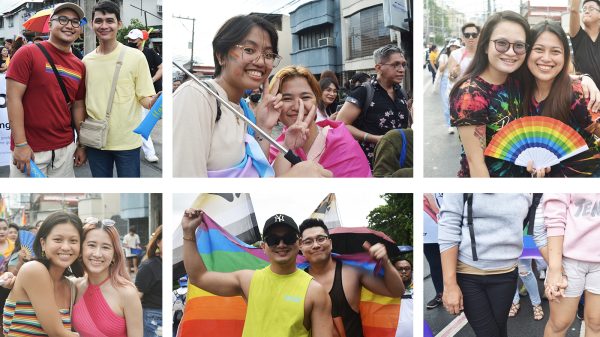
The passage of the these local ordinances are important because LGBT Filipinos, while widely accepted in Philippine society, still face discrimination. This is particularly true for LGBT students as well as LGBT people living with HIV, many of whom suffer even more from mistreatment by families,employers, or colleagues. While the ordinance does not specifically address HIV-related discrimination, most HIV infections in the Philippines occur among LGBT people, particularly men who have sex with men. The Philippines has the fastest-growing HIV epidemic in the Asia-Pacific region, and a third of all new HIV infections are recorded in Metro Manila, which is composed of 16 towns and cities, including Mandaluyong.
The wave of local ordinances stands in stark contrast to the Philippine legislature, which has not passed similar anti-discrimination legislation. While the lower House passed a version of an anti-LGBT discrimination bill in September, its Senate version faces stiff opposition from religious groups andconservative senators. The recently appointed Senate president, Senator Vicente Sotto III, a religious conservative supported by the Catholic Church because of his outspoken opposition to LGBT equality legislation, is likely to strongly oppose any legislation aimed to protect the rights of LGBT people.
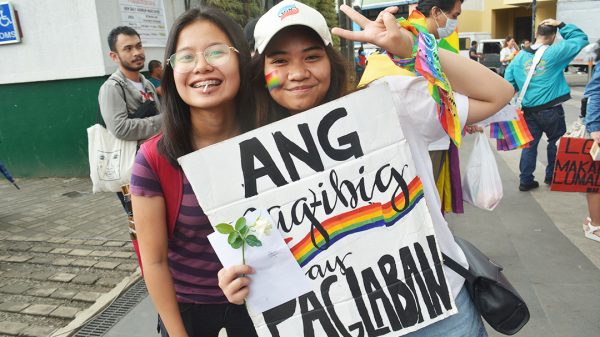
LGBT rights advocates believe the strategy to ban SOGIE discrimination could offset at the local level the absence of such legislation at the national level. But those local laws are also a challenge to the Philippine government to take the initiative to pass national anti-LGBT discrimination legislation to ensure that all Filipinos enjoy the rights guaranteed them under the country’s constitution and international human rights law.