
















Social media use and exposure to influencers is driving an increase of disordered eating among teens.
This is according to a study – “Gender and Sexual Orientation Differences in the Relationship Between Social Media Use and Disordered Eating: Results From a Serial Cross-Sectional Youth Survey From 2022 to 2024” by Jorge Andrés Delgado-Ron, Jenna Whitehead, Julia Kaufmann, et al – that was published in The Journal of Adolescent Health.
Here, the researchers used 2022–2024 data from an annual youth well-being survey conducted in schools, primarily Grade 11 students, in British Columbia (BC), Canada.
Key findings
- 23% of youth report disordered eating behaviors.
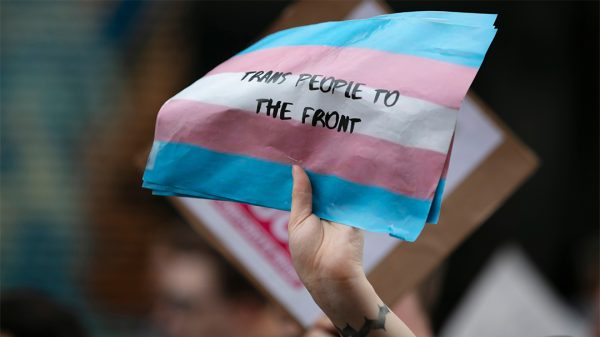
- Higher prevalence among marginalized groups: up to 40% for transgender youth.
- Strong association between social media use and disordered eating.
- Just one to two hours of social media use per day increased odds of disordered eating for cis-sexual minority girls and transgender and gender-expansive youth.
- Positive childhood experiences act as a protective factor.
“Social media can amplify existing insecurities and intensify image-based comparisons for all teens, and transgender and gender-expansive youth in particular might use caloric restrictions as a way to avoid developing sexual characteristics,” said Hasina Samji, senior author of the study.
“Without counterbalancing voices in these spaces, harmful messages about body image and eating habits can spread unchecked and perhaps help fuel this shadow pandemic of disordered eating that some physicians… are noticing.”
The survey found disordered eating was highest among girls identifying as lesbian, bisexual, or queer (43%) and transgender and gender-expansive youth (40%). More than 32% of cis-hetero girls and nine per cent of cis-hetero boys also reported disordered eating.
Cis-sexual minority girls and transgender and gender-expansive youth had increased odds of exhibiting disordered eating with only one to two hours of social media use per day.
“The challenges and pressures of parenting are immense, but not every child is developmentally ready for access to social media at age 13, 14, 15, or even 16,” said Samji.
“It depends on each teen’s level of digital literacy, and how well they regulate when they’re having challenges with friends as they use social media together, or phones to connect with each other.”
The study found positive childhood experiences – like strong family bonds, supportive adults, and peer and community belonging – buffered the risk of disordered eating, as did reduced time on social media.
Not a problem parents or teens can solve alone
Managing teens’ access to and time on social media platforms “requires co-ordinated action from schools and public health authorities, as well as holding tech companies accountable for their algorithms,” said Andrés Delgado-Ron, co-author of the study.
While Australia has opted for an outright ban on social media for teens under 16, Samji suggested “we’d be better off working alongside youth to co-develop healthy approaches to screentime and social media usage, which they will ultimately eventually be exposed to anyway.”
She said tailored interventions could address the specific needs of those at greater risk while preserving the benefits and social connection that teens may get from social media platforms.
The study called for more digital literacy education, around intentional social media use, more community spaces for in-person connections among youth, and public health guidelines and school policies to reduce reliance on social media for essential communication.