


































Listen to a sports conversation today and you will hear a different vocabulary than you would have a decade ago. People talk about favourites, underdogs, value, momentum shifts, and late swings. They say a team is “priced too short” or that a result “made sense on paper.” Often, no one in the group is actually placing a bet. Betting language has drifted out of specialist spaces and into everyday sports talk. Not through instruction or intent, but through repetition, media exposure, and how modern fans experience sport.
Sports coverage changed the words we hear
The biggest shift came from how sports are presented. Broadcasts, highlight shows, podcasts, and social media now frame matches in terms of probability and expectation. Pre-game discussions revolve around likelihood rather than mystery. Post-game analysis asks whether the result was surprising or inevitable.
Once those ideas become common, the language follows. Odds are no longer treated as numbers meant for a specific audience. They are used as shorthand for expectation. Saying a team was “expected to win” now often comes with the unspoken logic of price and probability. Over time, this framing seeps into casual conversation.
Numbers feel neutral, even when they are not
Betting language sounds analytical. It feels detached. Talking about odds, value, or percentages gives the impression of objectivity, even when the conversation underneath is emotional. Terms that once belonged to a sport bet slip or a platform like Betway now show up in everyday discussion, stripped of their original context.
Fans use this language because it creates distance. Saying “they were favourites for a reason” sounds calmer than saying “I believed they were better.” Betting terms allow people to explain feelings about sport without fully owning them. The vocabulary does some of the emotional work on their behalf. In that sense, the language offers cover. It turns opinion into analysis, and instinct into something that sounds measured and neutral.
Social media accelerated the shift
Sports discussion now happens in short bursts. Tweets, captions, comments, and memes reward concise language that carries meaning quickly. Betting terms fit perfectly into that space. Words like odds, locks, swings, and lines compress complex ideas into single phrases. They are easy to recognise and easy to repeat. Even people who never interact with betting platforms absorb the vocabulary simply by being online during major events.
Second screens changed how fans think
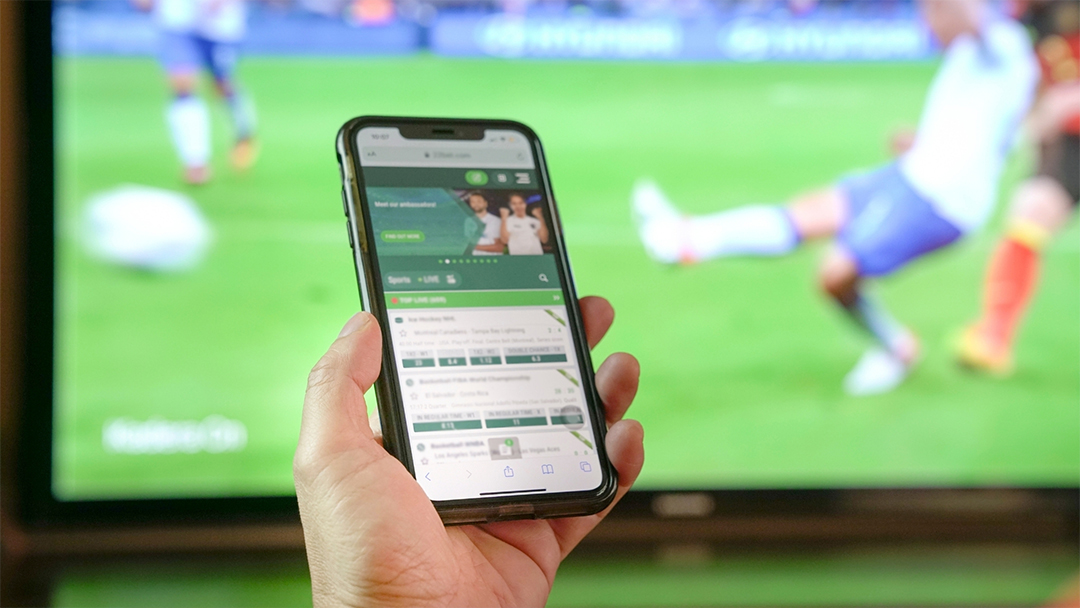
Watching sport is no longer a single-screen experience. Phones sit alongside televisions. Stats update live. Commentary scrolls constantly. This environment encourages predictive thinking. Fans start guessing outcomes mid-match. They talk about momentum, turning points, and whether a comeback feels likely. Betting language gives them a ready-made way to express those thoughts. The act of watching becomes more active, more evaluative. Language follows behaviour.
It signals belonging without commitment
Using betting language does not necessarily mean endorsing betting. In many cases, it signals familiarity with modern sports culture. Saying a team “covered expectations” or that a player “outperformed the numbers” places someone inside the conversation. It shows awareness of how sport is discussed now, even if the speaker has no interest in wagering. The language becomes a social marker rather than a declaration of behaviour.

Media blurred the boundaries
Sports media rarely separates pure analysis from betting-adjacent framing anymore. Preview articles discuss probabilities. Studio panels reference expectations. Headlines imply surprise or inevitability. As those cues repeat, fans adopt them unconsciously. Betting language stops feeling specialised. It becomes just another way to talk about sport. The boundary between watching, analysing, and predicting grows thinner.
A reflection of how sport is consumed now
Betting language did not invade sports talk by accident. It arrived because modern sports culture is built around constant evaluation. Fans are encouraged to think ahead, reassess in real time, and explain outcomes immediately after they happen.
Language adapts to function. Betting terms offer quick explanations for uncertainty, disappointment, and surprise. They help people make sense of what they just watched. In the end, the spread of betting language says less about betting itself and more about how sports are experienced today. Faster. Louder. More analytical. And always discussed as if the outcome could be measured, predicted, and explained, even when it still feels anything but certain.