






























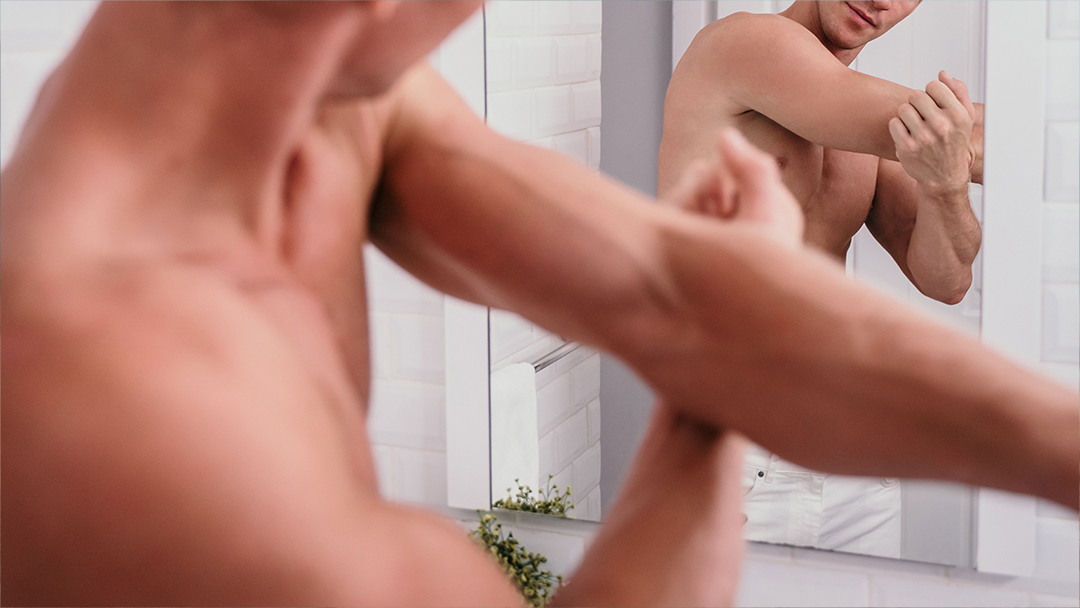
Scrolling through your social media feed can feel like walking through a hall of mirrors. Each one reflects a slightly different, yet impossibly perfect, version of the human body. We see chiseled abs, flawless skin, and effortless poses, all curated and presented as the standard. In this hyper-visual digital age, it’s easy to feel like your own reflection doesn’t measure up.
This constant comparison can chip away at our self-worth, tying our value to an ever-shifting aesthetic ideal. But what if we chose a different path? Learning to accept and appreciate our bodies isn’t just an act of personal kindness; it’s a powerful statement of authenticity in a world that often demands conformity.
Societal Pressures and Identity
The pressure to achieve a certain look isn’t new, but social media has amplified it to an unprecedented degree. Algorithms are designed to show us more of what we engage with, creating feedback loops that can quickly become echo chambers of narrow beauty standards. If you pause on a fitness influencer’s post, you’ll likely see a dozen more just like it. This curated reality can warp our perception of what is normal, average, or even healthy. The psychological mechanisms of social media show how constant upward social comparison can lead to body dissatisfaction and anxiety.
These external pressures can become deeply internalized, shaping not only how we see our bodies but also who we believe we are. When society repeatedly sends the message that only certain bodies are worthy of love, success, and visibility, it’s easy to start believing it. This internal struggle is often compounded for individuals in marginalized communities, who may face intersecting pressures related to race, gender identity, and ability on top of conventional beauty standards. The link between body image and society highlights how these pervasive cultural messages can fuel a cycle of self-criticism and doubt, making it difficult to feel at home in our own skin.
Beyond Aesthetics to Health
One of the most effective ways to push back against appearance pressure is to shift your focus from how your body looks to what it can do and how it feels. A healthy body isn’t defined by a number on a scale or the visibility of your abs. True health is holistic, encompassing your physical energy, mental clarity, emotional resilience, and social connections. It’s about what your body allows you to do: hike a trail, dance with friends, hug a loved one, or simply get through a demanding day with strength.
When we fixate on aesthetics, we risk adopting behaviors that are detrimental to our health. Extreme dieting, over-exercising, and pursuing costly cosmetic procedures can all stem from a desire to fit a visual mold rather than to support our body’s needs. This preoccupation is a significant risk factor for developing more serious issues. The connection between body image and eating disorders is well-documented, showing that deep dissatisfaction with one’s appearance can be a gateway to harmful patterns. Instead, we can redefine health on our own terms. This might mean celebrating the strength you gain from a new yoga practice, the mental peace you find during a walk, or the joy of eating a nourishing meal without guilt.
The Science of Appetite and Metabolism
It’s tempting to believe that our body size and shape are simple results of “calories in, calories out” and that changing them is merely a matter of willpower. However, human biology is far more complex. An intricate network of hormones, genetic predispositions, and environmental factors regulates our appetite, metabolism, and how our bodies store energy. Hormones like ghrelin signal hunger to the brain, while leptin signals fullness. Everything from sleep patterns and stress levels to your unique genetic makeup can influence the balance between them.
This complexity means there is no one-size-fits-all solution for managing body composition. What works for one person may not work for another because their internal systems are wired differently. The scientific community continues to explore these mechanisms to better understand how they function. For instance, research into investigational compounds like the RT10 Peptide aims to shed light on appetite modulation and body composition, demonstrating just how deep the science of metabolic health goes. Understanding that your body operates on a complex biological blueprint, not just your lunch choices, can be incredibly liberating. It allows you to let go of self-blame and approach your health with curiosity and compassion rather than judgment.
Cultivating Self-Compassion
Self-compassion means treating yourself with the same kindness and understanding you would offer a good friend. It’s the direct antidote to the harsh inner critic that so many of us live with. Instead of berating yourself for perceived flaws, you learn to meet yourself with warmth and acceptance. This isn’t about letting yourself off the hook; it’s about creating a supportive internal environment that fosters genuine growth and well-being.
You can start cultivating self-compassion today with a few simple practices:
- Curate Your Media: Unfollow accounts that make you feel bad about yourself. Instead, fill your feed with affirming, inspiring content. Studies on body-positive social media content show it can tangibly improve body image perception.
- Mindful Self-Talk: Pay attention to your internal monologue. When you catch yourself thinking something critical about your body, gently pause and reframe it. Instead of “I hate my stomach,” try “My body is carrying me through life, and I am grateful for its strength.”
- Practice Gratitude: Take a moment each day to thank your body for what it does for you. Thank your legs for carrying you, your lungs for breathing, and your arms for embracing the people you love. This shifts the focus from what your body looks like to what it can do.
Finding Your Authentic Self
Ultimately, body acceptance is part of a larger process of discovering and embracing your authentic self. Your worth as a human being is not and has never been tied to your appearance. You are a unique combination of talents, passions, ideas, and experiences. When you stop pouring energy into chasing an external ideal, you free up that energy to invest in the things that truly make you who you are.
This could mean dedicating more time to a hobby you love, nurturing your relationships, or pursuing a career goal that excites you. It means defining success and happiness on your own terms. Find communities, both online and off, that see and celebrate you for your whole self. Seek out representation that reflects your experience and affirms your identity. When you ground your self-worth in your character, your values, and your contributions to the world, the fluctuating standards of physical beauty lose their power. You begin to understand that you are already whole, just as you are.
True self-acceptance isn’t a final destination but an ongoing practice of returning to yourself with kindness. It’s about choosing to honor the body you have today while building a life that reflects your deepest values.