
































The little things we do every day really add up when it comes to how we feel overall. When life gets crazy and overwhelming, it’s often our personal habits and routines that either keep us steady or just add to the stress. Taking a closer look at these patterns is the first step to building a more stable and fulfilling daily life. By understanding how our habits shape our minds, we can start making deliberate changes that help us bounce back and think more clearly.
This isn’t about completely overhauling your life overnight. Instead, it’s about seeing the power in your daily choices and learning how to make them support your mental health, one small step at a time.
Stress and Mental Health
Everyone feels stressed sometimes. It’s just a normal reaction to life’s demands, whether it’s meeting a work deadline or having a tough conversation. Short-term stress can even be useful, giving you a burst of focus and energy. The real trouble starts when that stress hangs around for too long, sticking with you even after the initial problem is gone. This constant state of high alert really takes a toll on both your body and mental health.
When your body is always swimming in stress hormones like cortisol, it can lead to all sorts of problems, like feeling tired, irritable, having trouble concentrating, and not sleeping well. Over time, this constant pressure can even contribute to more serious mental health issues like anxiety and depression. Keeping your lifestyle to support mental health means noticing the signs of chronic stress and actively working to manage them. It’s the difference between feeling a bit frazzled now and then, and feeling perpetually on edge.
Understanding this connection is super important because it shows that mental wellness isn’t just something you either have or don’t; it’s something you can actively build through your daily actions and environment.

Developing Healthy Routines
When things feel unpredictable, our brains really crave structure. A consistent daily routine gives us a framework that can ease anxiety and free up mental energy. When you don’t have to constantly decide what to do next, you save your decision-making power for more important tasks. Experts say a daily routine can significantly boost your mental health by making things feel more predictable and in control.
Building these routines doesn’t have to be strict or complicated. The goal is to create a structure that actually helps you. Here are a few ways to get started:
- Start with your day’s beginning and end. Focus on creating a consistent morning and evening routine first. What you do in the first hour of your day and the last hour before bed can really set the tone for your sleep and the next day. This could be as simple as stretching, reading a chapter of a book, or avoiding screens.
- Link new habits to old ones. Attach a new habit you want to build to something you already do. For example, if you want to start meditating for five minutes, do it right after you brush your teeth in the morning. This “habit stacking” makes the new behavior feel more automatic.
- Plan for flexibility. A routine is a helpful guide, not a strict prison. Life gets messy, and things will definitely come up. Build some extra time into your schedule and let yourself change things when needed without feeling like you’ve failed. The whole point is to have a structure you can always come back to.
By creating these patterns, you’re not just organizing your time; you’re telling your brain that things are stable and manageable. These are simple but powerful ways to strengthen your daily routine and support how you feel overall.
Understanding Personal Coping Skills
When stress does hit, having a set of personal coping skills is your first line of defense. These are the strategies you use to deal with tough emotions and situations. It’s helpful to think of these skills like a toolkit; the more tools you have, the better prepared you’ll be for whatever comes your way. Not every tool works for every problem, so having a variety of options is key.
Coping mechanisms usually fall into two groups: problem-focused and emotion-focused. Problem-focused skills aim to tackle the source of the stress directly, like creating a budget to handle money worries or having a direct conversation to sort out a conflict. Emotion-focused skills, on the other hand, help you manage how you react emotionally to the stressor. This could include things like exercising to let off steam, journaling to process your feelings, or talking to a trusted friend.
Building a strong toolkit of healthy self-care habits is an ongoing journey of self-discovery. What works for one person might not work for you. Try different things: go for a walk in nature, listen to a specific playlist, practice deep breathing exercises, or get creative with painting or cooking. Pay attention to what truly makes you feel more grounded and less overwhelmed. The goal is to find healthy ways to manage your emotions without causing more harm.
Mindful Consumption Practices
The idea of consumption goes way beyond just what we eat and drink. We also take in information, media, and social interactions, and the quality of this intake directly affects our mental state. Mindful consumption means being intentional about what you let into your mind and body. It’s the difference between endlessly scrolling through a negative newsfeed and consciously choosing to read an uplifting article or listen to an interesting podcast.
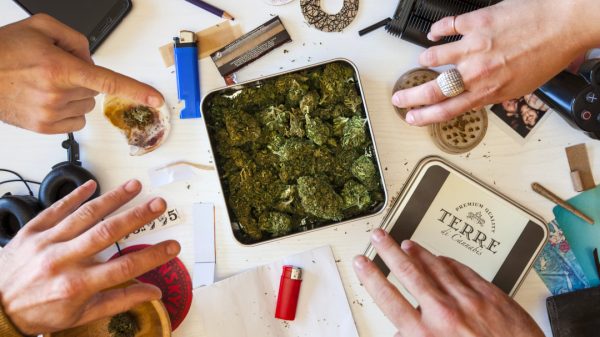
This practice also includes the small rituals we use to break up our day. Many people have a go-to routine for taking a pause, like making a cup of tea, stepping outside for a few minutes of fresh air, or enjoying a quiet moment alone. These aren’t just habits; they are deliberate acts of self-regulation. For adults who already use tobacco or vaping products, convenience may also shape their routine, whether that means visiting a local smoke shop or purchasing supplies ahead of time.
The key is the mindfulness behind the action. Are you doing the habit automatically and without thinking, or are you using it as a deliberate tool to reset? A mindful pause, whatever it involves, is about creating a little pocket of calm in a busy day. It’s a chance to check in with yourself, take a few deep breaths, and consciously shift your mental state before moving on to the next task.
Seeking Support Resources
While personal habits and coping skills are powerful tools for managing everyday stress, they’re not a replacement for professional support when you really need it. It’s a sign of strength, not weakness, to know when you need help beyond what you can do on your own. If you find that your stress is constant, your mood is consistently low, or your daily life feels impaired, it might be time to reach out.
Knowing where to turn can feel overwhelming, but there are many resources available. Your primary care doctor is a great first contact. They can help rule out any underlying physical causes for your symptoms and refer you to a mental health specialist, like a therapist, counselor, or psychiatrist. Many people find talk therapy incredibly helpful for developing new coping strategies and understanding the root causes of their struggles.
Plus, organizations like the National Alliance on Mental Illness (NAMI) and Mental Health America (MHA) offer tons of online resources, support groups, and helplines. These communities can provide a sense of connection and understanding, reminding you that you’re not alone. Don’t hesitate to explore employee assistance programs (EAPs) through your workplace, which often provide free, confidential counseling sessions. The most important step is the first one: acknowledging that you deserve support and taking action to find it.
Building better mental wellness is a journey of small, consistent efforts. It’s about being more intentional with your habits, kinder to yourself when you struggle, and brave enough to ask for help when you need it. Start with one small change today and notice the difference it can make.