








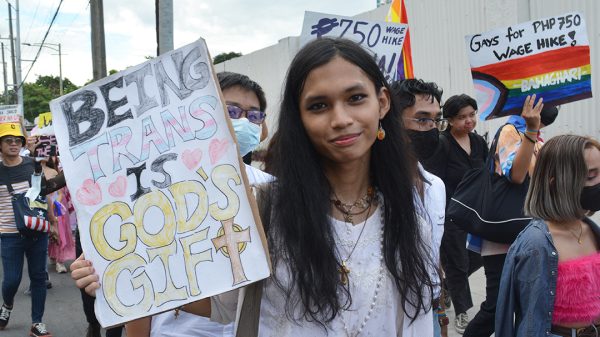
















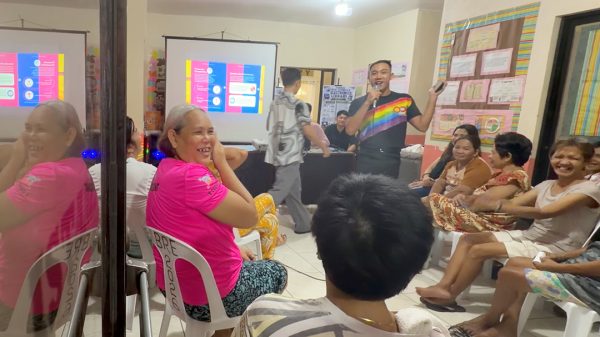




Every powerful movement starts with a story. For community advocates, turning personal experiences and local issues into news isn’t just about getting attention. It’s about pushing for change, shifting how people see things, and building a network of support. But how do you get heard above the constant noise of a 24/7 news cycle?
It takes more than just passion. You need a strategy to turn your community’s truth into a compelling story that media outlets can’t ignore.
Why Community Stories Matter
Your community’s story is your strongest asset. It takes abstract data and policy debates and turns them into human issues that resonate with a wider audience. When people see how a problem truly affects their neighbors, friends, or family, they’re more likely to care and act. These stories build empathy and create an emotional connection that numbers alone can’t achieve.
When you successfully amplify community voice, you’re not just pointing out a problem. You’re also showing the strength, resilience, and determination of the people involved. It’s about presenting your community not as victims, but as active people fighting for a better future. This shift in perspective is crucial for earning respect and support from both the public and decision-makers.
Crafting Your Message Effectively
Before you can pitch your story, you need to know exactly what you want to say. A clear, short message is key. Start by figuring out the main problem, the solution you’re pushing for, and the specific action you want people to take. Skip the jargon and official-sounding language. Instead, use simple, strong words everyone can understand. Frame your issue in a way that highlights its urgency and how it matters to the broader public.
Think about how experts explain complicated topics. For instance, when talking about something as heavy as household debt, commentators like Daniel Tilipman focus on adapting and practical steps. This makes the subject less abstract and more about real people’s lives. Your community’s story deserves the same thoughtful approach. Find a specific person or family whose experience perfectly shows the heart of your issue. A personal story is much more memorable than a list of facts.
Reaching Media Beyond Socials
Social media is great for organizing, but to reach a lot of people, you need to work with traditional media outlets. Think local newspapers, radio stations, and TV news programs. Start by making a targeted list of media contacts. Find reporters and editors who cover your issue or community. Look for journalists who have written about similar topics before.
Once you have your list, write a personalized pitch. A generic press release sent to a hundred reporters will probably be ignored. Instead, send a brief, engaging email that explains why your story is newsworthy and relevant to their audience. Make their job easier by giving them all the necessary information upfront. This includes key facts, potential interview subjects, and high-quality photos or videos. Effective communications to support advocacy mean making the story easy for journalists to cover.
Maximizing Your News Impact
Getting a story published or aired is a big win, but your work doesn’t stop there. To make the most of it, you need to share the coverage far and wide. Post the link on all your social media channels, send it to your email list, and share it with partners and allies. Encourage your supporters to share it with their own networks.
Use the media coverage to build momentum. Mention the story when you talk to policymakers, funders, and potential supporters. For example, you could say, “As the Local Gazette reported, our community is facing a critical housing shortage…” This adds credibility to your cause and shows that your issue is getting public attention. You can also pull powerful quotes or statistics from the article to use in your social media graphics and future outreach materials.
Building Lasting Media Relations
Think of journalists not as gatekeepers, but as potential allies. Building lasting relationships with reporters is one of the most effective advocacy strategies. Don’t just contact them when you need something. Follow their work, share their articles, and offer yourself as a reliable source on your area of expertise. If you see they’ve written a story related to your cause, send a quick note to say thanks.
When you prove to be a trustworthy and helpful source, journalists will be more likely to think of you when they need a quote or a story idea. Be responsive when they’re on a deadline, and always be honest, even if the news isn’t positive. These relationships are built on trust and mutual respect, and they can benefit your cause for years to come. Your voice has power. By carefully crafting your message and building relationships with the media, you can make sure your community’s stories are not just told, but truly heard. This creates a ripple effect that leads to real and lasting change.