




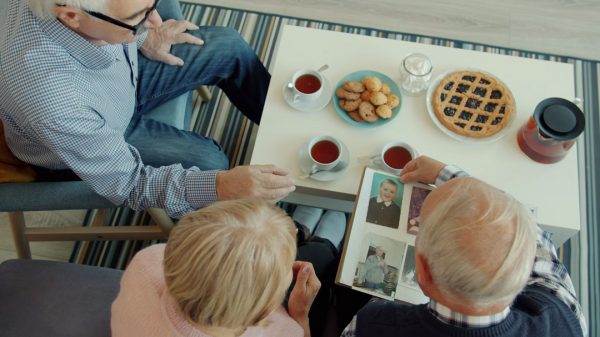



























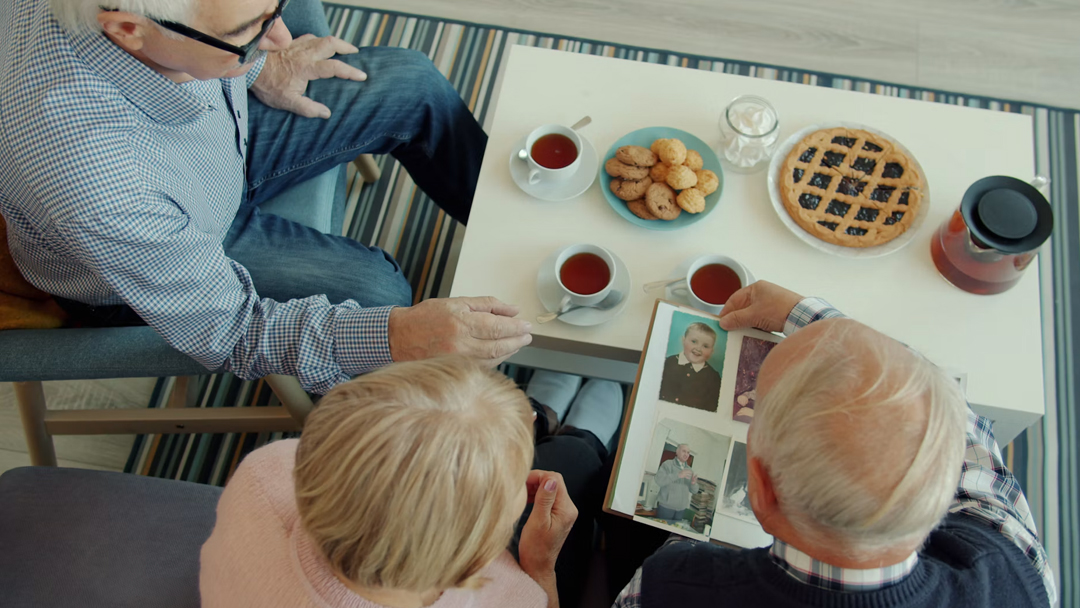
Older adults often rely on close friends, former partners, neighbors, and community members for support, especially when biological relatives are distant or estranged. These relationships form a chosen family: people connected through trust, care, and shared experience instead of legal or biological ties.
Recognizing that this network can improve elder care. It gives older adults more control over who receives updates, attends appointments, and helps with everyday decisions. The process starts with clear conversations, written instructions, and care providers who respect each person’s definition of family.
Moving Beyond Biological Definitions
Ask the older adult to identify the people they trust before a health problem or housing change occurs. Avoid assuming that a sibling or adult child should automatically serve as the primary contact. A longtime friend may understand the person’s routines, identity, and preferences far better.
Chosen families often provide the practical support associated with relatives, from grocery runs to regular check-ins. The case for recognizing chosen family caregivers also extends to workplace leave policies, since many caregivers need time away from work.
When comparing assisted living, ask how the community records trusted contacts and includes nonrelatives in tours, care discussions, and social activities.
Legal Safeguards for Trusted Advocates
Personal trust doesn’t always grant legal authority. An older adult may need documents naming someone who can speak with health professionals, handle financial matters, or make specified decisions if the person becomes unable to communicate. Rules and document names vary, so consult a qualified local attorney.
Start by discussing three questions: Who should receive health updates? Who can make urgent decisions? Who should manage bills during an extended illness? Record the answers and give copies of completed documents to the named advocates and relevant providers.
People forming nontraditional support systems can also explore chosen family legal resources. Review every designation after a move, relationship change, or major diagnosis so outdated instructions don’t create confusion.
Welcoming Chosen Networks in Assisted Living
During tours, explain the resident’s relationships in direct terms. For example, “Jordan is my primary support person and should be included in care meetings.” Ask staff to record that information in the resident’s file while following privacy rules and the resident’s consent.
Find out how the community handles visitors, emergency contacts, and participation in care conferences. If one friend manages transportation while another tracks medications, make those roles clear. Staff members then know whom to call for each issue.
Social connection also affects health and quality of life. Reporting on support for older adults shows why affirming personal networks matters, particularly for LGBTQ+ seniors and people living with HIV.
Strengthening Day-to-Day Advocacy
Create a shared system that keeps everyone informed without overwhelming the older adult. One trusted person might maintain a calendar for appointments, meal deliveries, and social visits. Another could keep an updated list of providers, allergies, and current medications in a secure location.
Set boundaries at the same time. The older adult should decide which details each person may receive and how often the group checks in. A monthly conversation can catch small concerns, such as missed meals, transportation problems, or growing isolation, before they disrupt daily life.
Advocates should also keep notes after care meetings. A short record of decisions, deadlines, and staff contacts reduces misunderstandings when several people share responsibilities.
Chosen family works best when care systems can clearly see it. A named contact in a resident file, a signed authorization, and a dependable communication routine turn close personal bonds into practical support that remains available when it matters most.