































Conversations with healthcare practitioners play a key role in HPV vaccination uptake.
This is according to a study – “Knowledge, Attitudes, and Behaviors Toward Human Papillomavirus Vaccination Among Adults in Switzerland” by Kyra Zens, Nora Baer, Phung Lang – that was published in Jama Network Open.
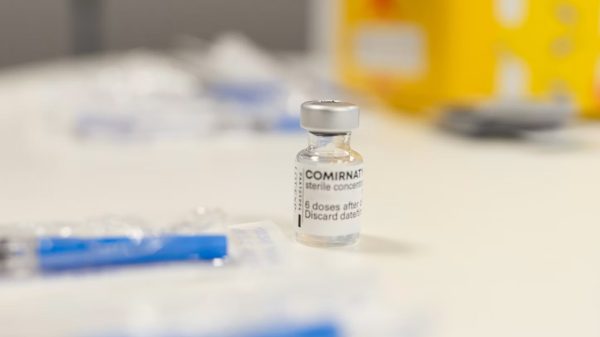
Human papillomavirus (HPV) is the most common sexually transmitted infection worldwide and can cause various types of cancer. Prophylactic HPV vaccination is highly effective and has been recommended since 2007 for girls and young women aged 11 to 26 – and since 2015 also for boys and young men. Catch-up vaccination is also available for women up to the age of 45.
It is worth noting that data on HPV vaccination among adults and on the factors influencing their vaccination behavior have so far been limited. So a survey was conducted by the Epidemiology, Biostatistics and Prevention Institute at the University of Zurich to close this gap.
Marked differences by age and gender
The results of the survey, which was based on verified vaccination data, reveal a clear pattern. Just over 27% of the approximately 3,850 adults aged 18 to 45 surveyed had received at least one dose of the vaccine. While nearly 59% of those aged 18 to 26 are vaccinated, the rate drops to around 16% among those aged 27 to 45.
Significant differences are also evident between genders, with nearly 43% of women vaccinated, compared to only about 12% of men.
“These differences can be attributed to the relatively late introduction of the HPV vaccine and the fact that it was initially recommended only for adolescent girls. At the same time, they highlight where vaccination efforts can still be improved,” says first author Zens.
Overall, respondents can be broadly grouped into three profiles, depending on how well informed they are about HPV and how they view vaccination. In the well-informed group, around 41% are vaccinated. Among those with moderate knowledge, the rate drops to just under 14%, and in the group with limited knowledge, it falls to only 8%.
“Our findings show that vaccination decisions vary significantly depending on what people know and how they assess the risks,” says Kyra Zens.
Lack of practitioner recommendation
Conversations with healthcare practitioners play a key role in vaccination uptake. Many vaccinated individuals stated that a recommendation from their physician was a crucial factor in their decision. At the same time, more than half of those who are unvaccinated reported that they had never received such a recommendation.
The reasons for not being vaccinated vary across groups. Individuals with limited knowledge are often uncertain about the significance of HPV and the benefits of vaccination. By contrast, well-informed individuals often forgo vaccination because they assume they no longer fall within the recommended age group or because they did not receive a clear recommendation from a physician.
Tailored, targeted outreach
The findings also reveal considerable potential for improvement. In the well-informed group, around 60% of unvaccinated individuals would still consider getting vaccinated. Even among those with limited knowledge, about one in two remain open to it.
“The results suggest that targeted information and tailored communication are key. In particular, conversations in everyday clinical settings offer an important opportunity to address open questions and build trust,” Zens ends.