






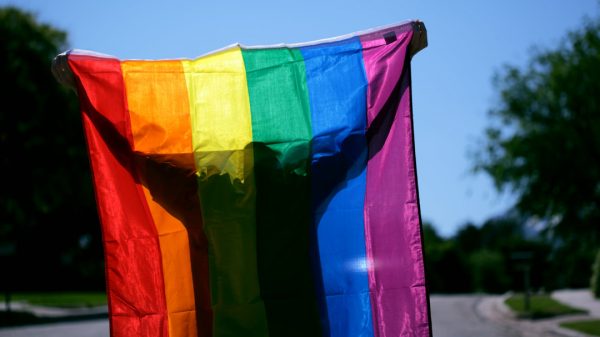







A key resolution at the United Nations General Assembly on the rights of persons with disabilities (PWDs) has been amended to remove the recognition of PWDs of diverse SOGIESC.
This resolution contains provisions for persons with disabilities worldwide, including about accessibility, inclusive education, and the rights of persons with disabilities in situations of risk. But an amendment led by Egypt on behalf of many members of the Organisation of Islamic Cooperation (OIC) successfully removed language that recognized how persons with disabilities experience amplified barriers when their disability interacts with discrimination based on sexual orientation and gender identity.
In a statement, LGBTQIA+ network ILGA World stated that while it cherishes “the approval of the resolution as a great step for people with disabilities worldwide”, it was disappointed with the “amendment that directly attacks the dignity, safety and existence of persons with disabilities who are lesbian, gay, bisexual, trans, or queer. By removing language on sexual orientation, gender identity and gender expression from the resolution, countries lost an opportunity to truly leave no one behind.”
It added that removing language on sexual orientation, gender identity, and gender expression also contradicts “well-established standards of international human rights law — including the UN Convention on the Rights pf People with Disabilities (CRPD), which mandates non-discrimination and recognises the diversity of persons with disabilities, and the Yogyakarta Principles, which affirm that ‘human rights are universal and apply to every person without limitation’.”
The LGBTQIA+ network expressed alarm over this amendment since it “signals to governments worldwide that the rights of marginalized groups within marginalized groups are expendable. It emboldens efforts to roll back inclusive language across international systems, threatening decades of hard-won progress.”
ILGA World is calling upon UN member States to:
- publicity reaffirm a strong commitment to the intersectional application of all human rights;
- support initiatives that seek to strengthen inclusive language relating to SOGIESC (sexual orientation, gender identity and expression, and sex characteristics) in any UN document; and
- adopt and enforce domestic laws and policies that explicitly protect persons with disabilities from discrimination on all grounds, including SOGIESC, ensuring a comprehensive and people-centred approach.
“Human rights are indivisible. States cannot protect a person while denying the fullness of who they are. The recent UN General Assembly resolution has been a great step for people for disabilities, but not for those among them who are also part of the LGBTI community. By choosing to exclude LGBTI people, many UN member States failed a fundamental moral test. Our coalition will intensify advocacy to ensure that in every place of power, the message is clear: we will not be erased,” ILGA World ended.