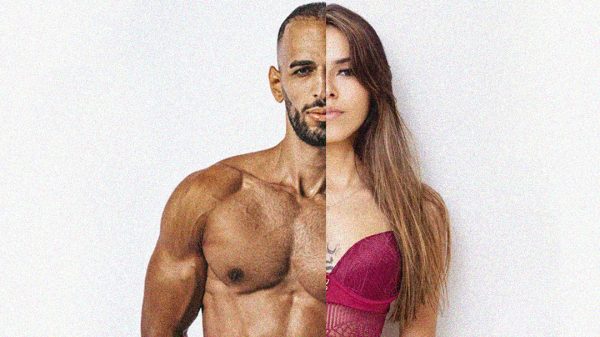




























Human skeletal biologists traditionally provide sex estimations as a part of establishing biological profiles (skeletal sex, age-at-death, stature, ancestry/population affinity) for skeletonized remains often using the shapes and sizes of the pelvis, long bones and skull, among other bones in the body. While analytical methods portray skeletal sex differences as almost purely binary (female or male), a person’s sex – including hormones, genetics, external anatomy, internal anatomy, and the skeleton – can be more varied than either female or male.
In a new review article published in the Annual Review of Anthropology, researchers from Boston University Chobanian & Avedisian School of Medicine explore why palpable change in the operationalization of sex and gender has been difficult to fully enact in human skeletal biology with an emphasis on forensic anthropology (the study of skeletonized remains in medico-legal settings).
They argue that sex and gender are more complex than a binary determination and that forensic anthropologists are complicit in maintaining faulty notions regarding human variation that may be harmful for marginalized groups.
“While theoretical discussions increasingly recognize that sex is a spectrum and gender is a social construct, practical application and teaching remain rigidly fixed on a male/female binary. Forensic anthropology has yet to experience a feminist ground swell, and discussions regarding the bio-cultural realities of sex and gender have only recently begun,” explains corresponding author Sean Tallman, PhD, associate professor of anatomy and neurobiology at the school.
The researchers use evidence from published articles and books, in addition to examples of practices, perspectives and their own experiences in the field, that are sexist, queerphobic (transphobic, homophobic, intersexphobic), oversimplified and essentialist when discussing sex/gender and explaining sex differences.
For example, in textbooks and science communication efforts, forensic anthropologists almost always feature images of supposedly “typical” female skeletons (small and gracile) next to “typical” male skeletons (larger and robust) without demonstrating the range of variation or overlap between people who identify as female, male, or intersex.
Additionally, the researchers discuss ethical considerations necessary for sex/gender-expansive research and offer areas of opportunity to advance the field’s knowledge and perspectives regarding sex and gender.
“Critically, sex-expansive practices better reflect the science of human biocultural variation while importantly affirming LGBTQIA+ livelihoods, which the field needs to embrace and prioritize,” adds Tallman.