


















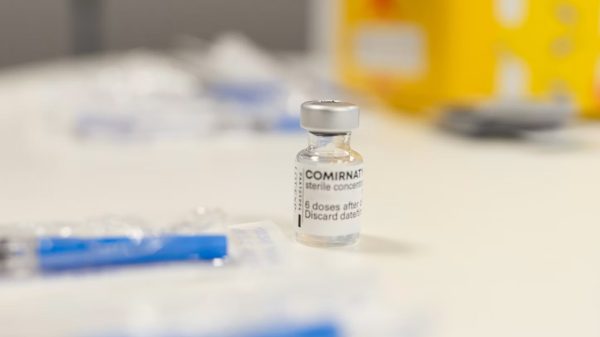



I was in Cebu City, interviewing transgender women who do sex work, and – get this – of the 22 I interviewed, only one knew of a non-government organization (NGO) that could provide people like them with pre-exposure prophylaxis (PrEP). Since PrEP could prevent HIV infection by 99%, this is obviously a necessity in their line of work. Alas, no, almost all of them didn’t know about it or where to source it.
Here’s an even more shocking finding: Over one-third of these interviews were done in the (at that time) only functional NGO supposed to provide PrEP to people like them. To emphasize: We were at the very venue supposed to serve them, and almost all of them did not even know that the NGO existed… until I interviewed them there.
Supporters of the NGO may say it’s doing the best that it can. Perhaps; and for this, a big thank you should be given. Sa totoo lang.
But this NGO, even if staffed with locals, originated in Metro Manila. The approaches are also Metro Manila-modeled; arguably, even Western-modeled (e.g. the focus on celebrities, sexualizing service providers, et cetera).
None of the channels, tools, et cetera used by the transgender women who do sex work there were used at all (e.g. informal sourcing of information, using colloquial language developed by transgender women sex workers, et cetera). At least based on the interviews I did. And so sans contextualization/localization of the “best practices” (if they’re even that) related to PrEP, none of the key messages reached these transgender sex workers (apparently since none of them used PrEP at all).
That experience should be a great slap to all the faces of LGBTQIA+ and HIV advocates.
Blunt na tayo dapat: Dapat buwagin ang monopoliya ng “service providing”, at ibigay/ibalik ito sa grassroots communities.
Here’s a fact: Nakikita nyo ba na iilan na lang ang NGOs rendering services to so many provinces in the Philippines?
With LGBTQIA+ advocacy, yung “networks”, saan naka-base ang “leadership” (they’re the organizations basically “controlling” the funds)? Oo, sa Metro Manila. May “provincial members” nga, but it’s as if their only “role” in the network is to add numbers, the leaders only invited to attend seminars usually held in Metro Manila… but that’s the bulk of the “support” received.
With HIV naman, sa Cebu (as noted), sa Baguio City, sa Davao City, sa mga siyudad ng buong Metro Manila, sino-sino/ano-ano ang kilala nyong extremely well-funded service providers? If you cite the same names over and over and over again, then – YES! – ang tawag diyan, monopoly.
Bahagi yan ng pagtanggal ng boses ng local communities; when we are made to think we can only “survive” when Metro Manila NGOs “help” us, not recognizing na nagagamit na tayo para sa monopoliyang nangyayari, sa “exclusionary tactics” na ginagawa.
Sino may kasalanan? Though also, what should we do?
- Yung mga NGOs na ayaw ibigay ang kapangyarihan sa local communities; ang focus is palawakin ang control para resources. Call them all out. And parang awa, sa mga nakikita na nga na mali, huwag naman tanga at patuloy na sinusuportahan ang maling pamamalakad.
- Donor agencies that continue to blindly support the taking over, enabling the abuse of local communities by funding their alaga NGOs as long as they are fed with “indicators” that were harvested from unpaid/underpaid locals by these NGOs they support.
- Local government units that allow for these outsider NGOs to take over local responses kasi sila mismo, tatamad-tamad sa pag-provide ng sagot sa problema ng LGUs nila so they basically “outsource” the solutions… hindi nga lang sa local organizations, but to those from elsewhere (e.g. Metro Manila) that are already extremely well-funded.
- Local LGBTQIA+ and HIV communities na caving in na lang, when we all should be calling out these abusers (seriously!).
Service kasi should not be seen as a franchise. Ano yan, branching out lang ang peg ng “advocacy”? As if naman the services (in their places of origin) are good to begin with.
Back to those interviewed in Cebu City: Kasi ayan na nga, we all know that transgender women who do sex work have elevated risks for HIV infection, and yet – even if they’re supposedly a key population to be served – if they continue to be unaware of PrEP (and other HIV services) after years na tinatarget daw sila, then hindi ba dapat i-reconfigure na all existing projects for them? And part of this is: Hindi ba dapat bigyan na sila mismo ng kapangyarihan to deal with their own issues?