















From July to September 2025, a total of 61 new HIV cases have been reported to the Department of Health (DOH), so that – by end-2025 – it is expected that the total number of people living with HIV in the Philippines will be 252,800.
But as the world observes World AIDS Day (WAD) every December 1, “there is a need to go beyond the numbers,” stressed Michael David dela Cruz Tan, MDC, editor in chief of Outrage Magazine, the only publication for the LGBTQIA+ community in the Philippines. “Stories abound on: why people get infected, why people fear getting tested, impacts of the virus not just medically by also psycho-socially on those who test positive, profiteering of treatment facilities, impacts of the failures of DOH, impacts of HIV on people around PLHIVs, and so on.”
Tan emphasized: “These stories should be told, they should be spread. Because to deal with HIV means not just dealing with numbers, but the lives behind these numbers.”
Tan lamented, for instance, that even now, only 67% of the total number of PLHIVs in the country are on lifesaving antiretroviral therapy (ART). Sadly, too, only 57% had viral load testing. And yet “none is asking PLHIVs why this is so. And the answers are in the stories of PLHIVs – e.g. on their lived experiences while dealing with HIV service providers, on what they go through in the families, communities, workplaces, and so on.”
As of end-September, 5,583 confirmed HIV-positive individuals were reported to the One HIV/AIDS & STI Information System (OHASIS). This is 22% higher than the cases recorded in the same quarter last year. Ninety-four percent (94%) of the total reported cases were male, and 30% were among the youth aged 15-24 years old, 49% were 25-34 years old, 18% were 35-49 years old, and 3% were aged 50 and older.
HIV pre-exposure prophylaxis is already available in the Philippines to prevent the spread of HIV (99% effectivity rate) since March 2021, but only 72,264 Filipinos are using it. Most (81%) come from facilities in NCR, CALABARZON (4A), and Central Luzon.
In HIV, “every story matters,” Tan said. “This is not just to validate the very human experience of those infected and affected by HIV, but also to ascertain, to determine how we can move forward in both preventing the spread of HIV and in rendering services to those already living with HIV. The answers on how we can better our services, our responses are in the stories. We just have to listen.”


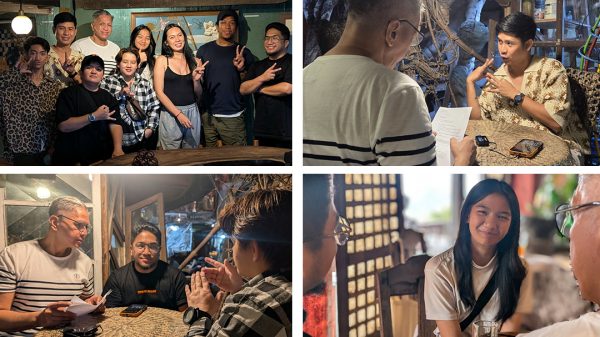
For WAD 2025, Outrage Magazine and Bahaghari Center for SOGIE Research, Education and Advocacy, Inc. (Bahaghari Center) released snippets from Red Lives, a collection of stories of PLHIVs and people in their lives.