













This is part of #KaraniwangLGBTQIA, which Outrage Magazine officially launched on July 26, 2015 to offer vignettes of LGBTQIA+ people/living, particularly in the Philippines, to give so-called “everyday people” – in this case, the common LGBTQIA+ people – that chance to share their stories.
As Outrage Magazine editor Michael David C. Tan says: “All our stories are valid – not just the stories of the ‘big shots’. And it’s high time we start telling all our stories.”
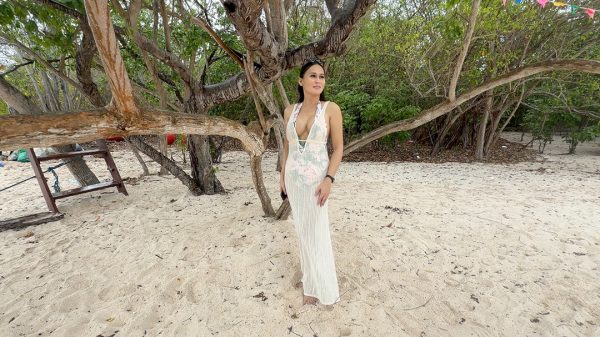
Jolina G. started doing sex work in 2022, when she was only 19 years old. The exposure to the sex industry started earlier, however, when she was 16.
“At first… even though 16 pa ko ato, wala pa ko ni-enter ana, pero naa na koy na-meet through friends (At first… even though I was only 16 and though I didn’t do sex work, I already met guys through friends),” she said, adding that the interest – at least at that point – was not strong enough.
But in 2022, she – finally – accompanied her sex working friends as “one of the girls”. “Duha mi or tulo sa akong friends. Kanang… na-curious ang ko. Kanang… unsa man gud siya, fast money siya ba. Natingala lang ko manglibre sila ba. ‘Asa man mo gikan ani nga money?’ Mu-ana sila nga: ‘Ingon-ani man gud ang among buhaton, girl.’ Na-curious ra ko: ‘Puwede ko muoban?’ Mao tu, didto na (There were two to three of us. It was like… I was curious. It was like… it’s easy money. I was surprised my friends kept treating me. I asked: ‘Where do you get money?’ They told me: ‘This is what we do, girl.’ I was curious: ‘May I join you?’ And so, that was it).”
Coming out as a process
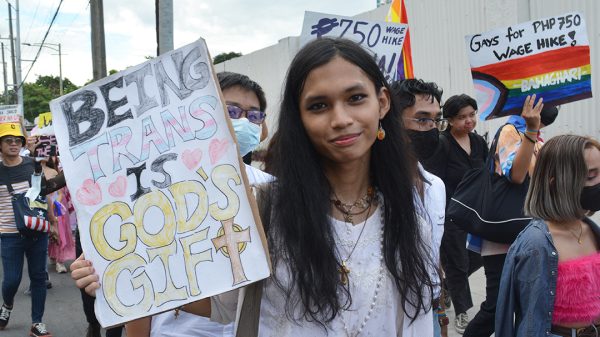
Identifying as transgender, Jolina G.’s transition was gradual.
As the second of two kids, “wala totally na-shock akong pamilya (My family wasn’t totally shocked),” she said. This may be because “I started as gay. So even though short hair ko ato, I was wearing short shorts, kanang tube, with make-up, and so on.”
When the COVID-19 pandemic happened, she was able to grow her hair since no haircut was needed since classes were suspended. And when her hair was already long, “I started wearing bra, I started wearing padding, I started putting on make-up.”
Jolina G.’s parents were okay with her being trans, she said, though they told her she should, at least, finish college.
“They gave me freedom. I can wear anything. I can be trans as long as I finish my studies daw. So it gave me motivation nga bahala wala pa ko nila totally na-accept nakasabot na sila sa akong situation (So it gave me motivation that they may not have totally accepted me yet but they understand my situation),” she said.
But Jolina G. stopped schooling, mainly because of her bad grades in high school, which disqualified her to enroll in a school she’s eyeing. “I need to look for another school,” she said, “though unfortunately, wala pa na-enrol.”
Also initially, her sibling didn’t approve of how she presented herself, asking her: “Nganong ingon-ana man imong sul-ubon? Kailangan jud mag-ingon-ana? (Why wear that? Do you really need to wear that?)”
But Jolina G. was adamant. “Ako lang pud siya pasabton nga (I just made her understand): ‘I feel comfortable wearing this. It makes me feel empowered, and I feel beautiful wearing this. So I hope you understand.”
That was the time when she started going out with her sex worker friends… eventually becoming one of them.
Life as sex worker
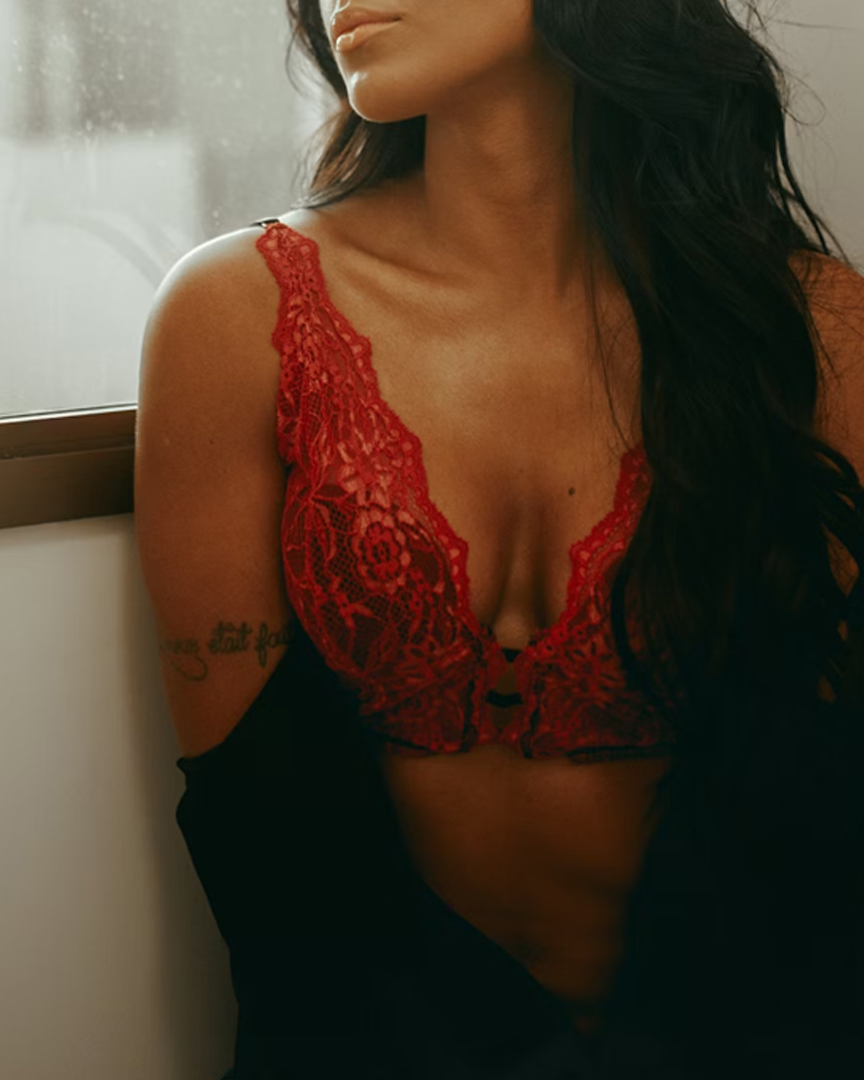
“At first hadlok jud siya. Daghan pud baya tug news nga bayot gisuwod sa ana-ana, nga kulata (At first it was scary. There’s news about LGBTQIA+ people places inside this or that, or beaten),” she said. “Pero ako na lang jud gisuwayan. Kay naa lang man sad to akong friends (But I tried anyway. I was with friends).”
Even now, Jolina G. prefers working with others. “Para sa physical safety. Sila, kanang veterans bitaw, kamao na sila sa ways. Mao nang misalig ra ko nila sa unsa ang buhaton. Ila lang man ko guide-an (These are veterans, and they know the ways. I trust that they know what they’re doing. They’ve been guiding me).”
But physical safety is just one of the issues faced by sex workers, said Jolina G.
“Mahadlok pud sa kanang mga AIDS-AIDS, HIV (I also fear AIDS, HIV),” she said.
Looking back, Jolina G. said she once heard of a person dying from AIDS-related illness. “Silingan to namo (It was a neighbor),” she said.
Jolina G. thinks that HIV and AIDS are “commonly known in the LGBTQIA+ community” since “dadto jud siya mutakod (that’s where infection happens).”
And so, as a member of the LGBTQIA+ community, “kuratan ko gamay (this scares me a little).”
Ignored by service providers
Jolina G. knows of the necessity to stay protected. “Naa man guy uban ganahan walay condom. Pero ako, mupugos jud ko nga mu-wear lang sa condom gyud. Kay kung wala, mag-dili na ko. Mura man sila masayangan. ‘Sige, pag-condom na lang’ (There are customers who prefer not using condom. But me, I force them to use condom. If there’s none, I refuse. Some see this as missed opportunity. ‘Okay, let’s use condom’).”
Here’s the thing, though: getting access to free safer sex tools isn’t easy.
For instance, no agency has taught them about pre-exposure prophylaxis (PrEP), which could cut infection rate by 99%. “Wala ko kabawo unsa siya (I don’t know what that is),” she said.
But also, to get free condoms and lubricants, “ipa-seminar pa mi, pugson magpa-HIV test (we are forced to attend seminars, forced to get tested for HIV),” she said.
And so “naa juy times nga dili na lang ko ka-SW kay wala jud (there are times I don’t do sex work because I don’t have condoms).” Though also at times “mangutana kog amiga, ‘Naa kay condom diha?’ Unya naa pa juy time nga mga yads, mahutdan sad sila. Unya kasagaran gabii baya, kaadlawon ang sex work, so I think wala miy mga available (I’d ask a friend, ‘You have condom?’ At times they don’t have any, the run out of supplies. And since we do sex work early in the morning, there’s none available).”
Living on
Despite the challenges, Jolina G. said she’ll continue doing sex work. At least for now.
“I hope nga wala kabalo ani akong family. Kung mabal-an nila, basin ma-bother ko. Pero dili siya maka-stop. Kay ang sex work man gud, let’s just say, kanang dali ra, fast money siya. Wala pay hago (I hope my family doesn’t find out I do sex work. If they did, perhaps that will bother me. But that won’t stop me. Because doing sex work, let’s say, is easy, helps me make fast money. No hard work),” she said.
And so yes, Jolina G. continues to part of the team…