























A woman’s sex drive may diminish with age—partially because of problems with genitourinary symptoms during the menopause transition. Yet, some older women maintain very active sex lives. Why? A new study suggested that one difference could be sexual identity, with nonheterosexual women more likely to report better sexual functioning, despite menopause.
This is according to a study — “Sexual orientation and sexual functioning in midlife women veterans” by Laura A. Muratore, Anna E. Blanken, Alison J. Huang, and Carolyn J. Gibson — that was published in Menopause, the journal of The Menopause Society.
An estimated 25% to 85% of postmenopausal women report challenges with sexual function, including pain with sex, difficulty with desire or libido, and distress concerning their sexual response. These symptoms often emerge during the menopause transition and can be chronic and progressive, with lasting implications for quality of life and sexual well-being.
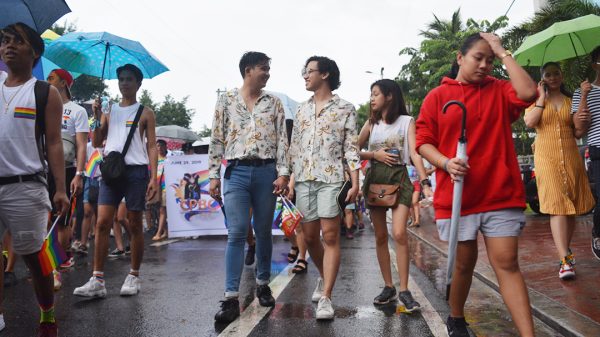
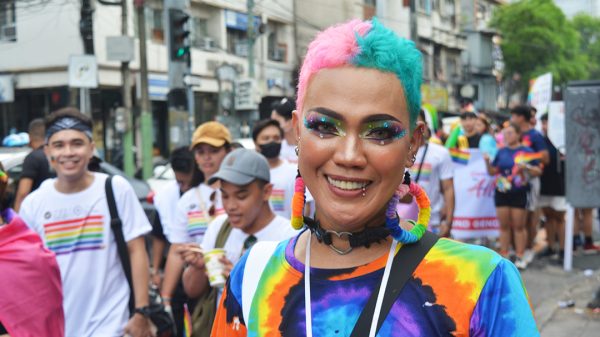
Nonheterosexual women (also known as sexual minority women) typically experience worse mental and physical health because of the barriers and discrimination they face when engaging with the healthcare system. However, according to this study that involved more than 230 female veterans, when it comes to sexual function, nonheterosexual women may fare better.
Although they still report high levels of distress related to sexual function—similar to their heterosexual counterparts — they report better sexual functioning and less effect of vaginal symptoms.
Despite the growing number of research studies conducted relative to challenges of the menopause transition, there is a lack of systematic research investigating menopause- and age-related experiences for nonheterosexual women. That’s what prompted researchers to conduct this latest study that found that nonheterosexual women were more than two-fold more likely to report past-month sexual activity and less likely to report pain during sexual activity.
“The results of this study highlight that menopause and aging substantively affect sexual health and functioning in women Veterans and, further, that experiences may vary significantly based on sexual identity. Additional research is needed to better understand the unique needs of midlife sexual minority women and to promote the provision of affirming healthcare to sexual minority women Veterans,” said Dr. Stephanie Faubion, medical director for The Menopause Society.